Introduction
Nebulizer, a groundbreaking medical innovation, has emerged as a revolutionary solution in respiratory therapy. Developed with precision and cutting-edge technology, Nebulizer represents a significant leap forward in treating respiratory conditions, offering patients a more effective and efficient way to manage respiratory issues. Moreover, with its sleek design and user-friendly interface, Nebulizerin stands as a testament to the intersection of advanced science and patient-centric design, providing a seamless and comfortable experience for individuals seeking relief from respiratory challenges.
At the core of Nebulizerin’s efficacy is its ability to convert liquid medication into a fine mist, allowing for targeted and deep inhalation into the lungs. This mechanism ensures the medication reaches the affected areas directly, maximizing therapeutic benefits and minimizing potential side effects. Whether dealing with asthma, chronic obstructive pulmonary disease (COPD), or other respiratory disorders, Nebulizerin’s versatility makes it a versatile tool for healthcare professionals, offering personalized treatment options for various respiratory conditions.
Moreover, Nebulizerin’s portability and convenience redefine the standards of respiratory care. Compact and lightweight, Nebulizerin allows patients the freedom to manage their respiratory health on the go, empowering them to lead active lives without compromising on their treatment. As a result, Nebulizer represents a technological breakthrough and a paradigm shift in how individuals approach and engage with their respiratory care, fostering a new era of accessibility and improved quality of life for those in need.
Top Picks at a Glance
Types of Nebulizer
Compressor Nebulizers
Compressor nebulizers, or jet nebulizers, use a compressor to generate airflow. This airflow passes through a tube connected to the nebulizer cup containing the liquid medication. The air pressure breaks the liquid into aerosolized droplets that can be inhaled.
Ultrasonic Nebulizers
Ultrasonic nebulizers use ultrasonic vibrations to turn liquid medication into a fine mist. These high-frequency vibrations create aerosolized particles that can be inhaled.
Mesh Nebulizers
Mechanism: Mesh nebulizers use a vibrating mesh to create an aerosol from the liquid medication. The mesh has tiny holes through which the medication is forced, creating a mist that can be inhaled.
Soft Mist Inhalers
Mechanism: Soft Mist Inhalers deliver a fine mist of medication through a mechanical process that does not require fuel. The mist created is slower-moving compared to aerosols from traditional inhalers.
5 Best Nebulizer
Nebulizers offer a range of features that contribute to their effectiveness in respiratory care. These devices, whether compressor, ultrasonic, mesh, or soft mist inhalers, efficiently convert liquid medication into a fine mist for inhalation, ensuring targeted delivery to the respiratory system. Their user-friendly designs, including various mask and mouthpiece options, cater to diverse age groups and preferences.
Nebulizers are portable and allow for on-the-go use, providing flexibility in managing respiratory conditions. The quiet operation of certain types, like ultrasonic and mesh nebulizers, enhances the user experience. Additionally, the adaptability of nebulizers to various medications makes them a versatile solution for conditions such as asthma and chronic obstructive pulmonary disease (COPD), ultimately promoting improved respiratory health and quality of life for individuals in need.
Buying Guide for Nebulizer
Type of Nebulizer
Compressor Nebulizers: These are the most common type, using a compressor to convert liquid medication into a mist. They are suitable for both adults and children.
Ultrasonic Nebulizers
Utilizing ultrasonic vibrations, these nebulizers are typically quieter and more compact. They are ideal for those who prefer a noise-free option.
Medication Compatibility
Ensure that the Nebulizer you choose is compatible with the medications prescribed by your healthcare professional. Some nebulizers may work better with specific formulations, and it’s crucial to avoid any potential issues with the efficacy of your treatment.
Portability and Size
Consider your lifestyle and whether you need a portable nebulizer for on-the-go use. Smaller, more compact models are convenient for travel and outdoor activities.
Noise Level
Opt for a quieter nebulizer if noise is a concern, especially for pediatric use or during nighttime treatments. Ultrasonic nebulizers are generally quieter than compressor models.
Ease of Cleaning and Maintenance
Look for a nebulizer that is easy to disassemble and clean to prevent bacteria buildup. Dishwasher-safe or easily washable components simplify maintenance and enhance the device’s longevity.
Nebulization Rate and Particle Size
Check the nebulization rate and particle size produced by the device. Smaller particles are often preferred to reach deeper into the respiratory tract. Consult with your healthcare provider to determine the ideal specifications for your condition.
Mask and Mouthpiece Options
Nebulizers come with various mask and mouthpiece options. Moreover, it ensures that the device provides the most comfortable and practical option for the age and preferences of the user.
Power Source
Consider the power source of the Nebulizer. Some models are battery-powered or rechargeable while offering flexibility in usage. Others may rely solely on an electrical outlet.
Cost and Insurance Coverage
Compare prices and check if your health insurance covers the cost of a nebulizer. Some insurance plans may provide coverage or reimbursement for specific models.
Brand Reputation and Reviews
Research the brand’s reputation and read customer reviews to gauge the performance and reliability of the Nebulizer. Pay attention to feedback regarding durability and customer support.
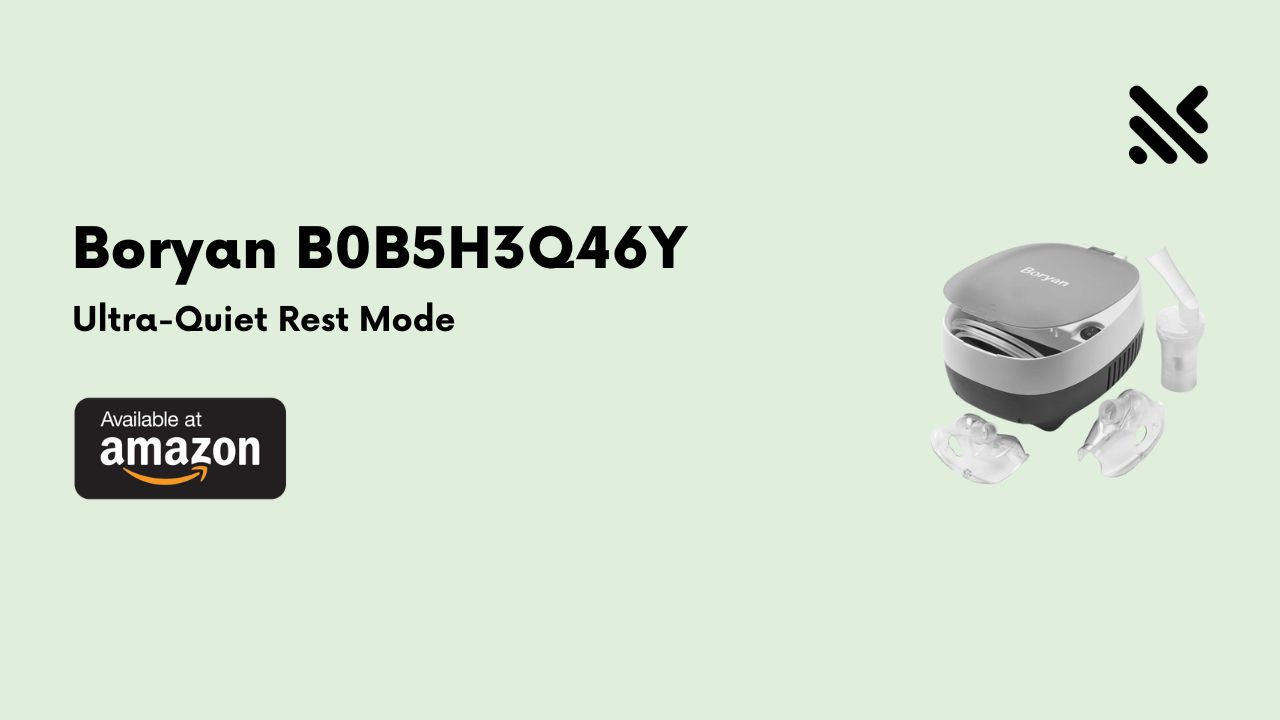
Boryan B0B5H3Q46Y

Boryan B0BMFW1MCY
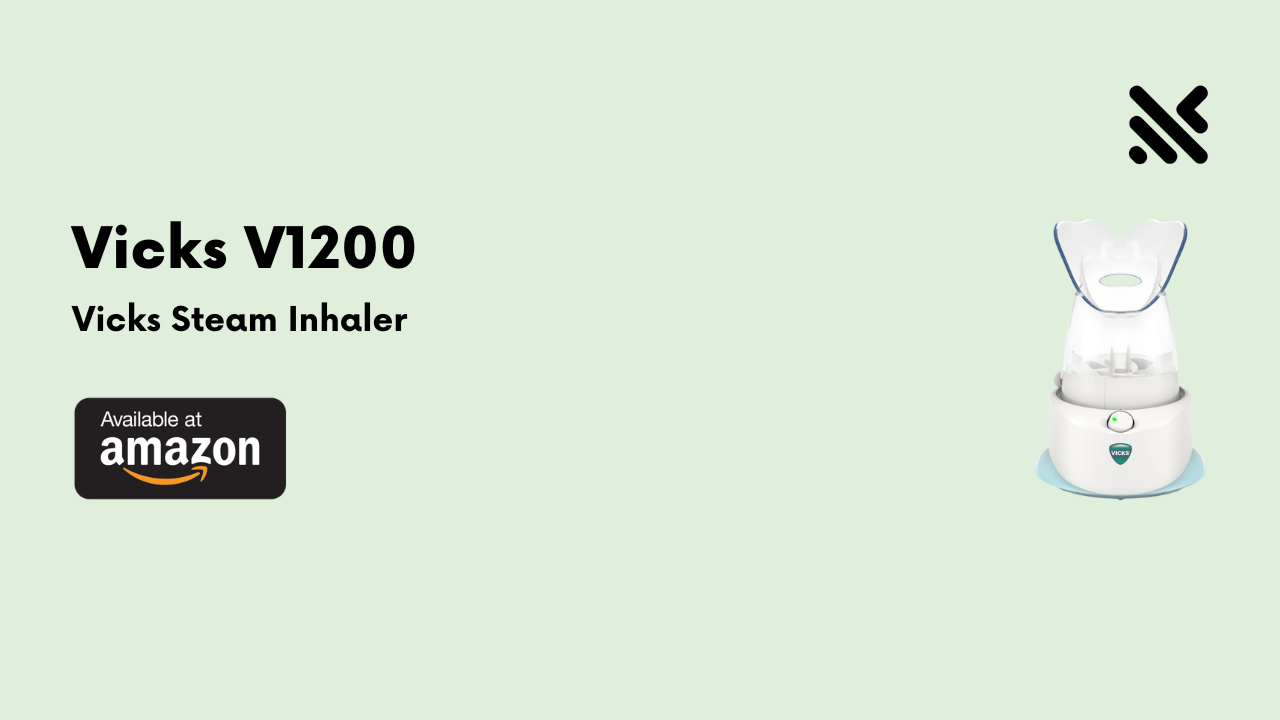
Vicks V1200
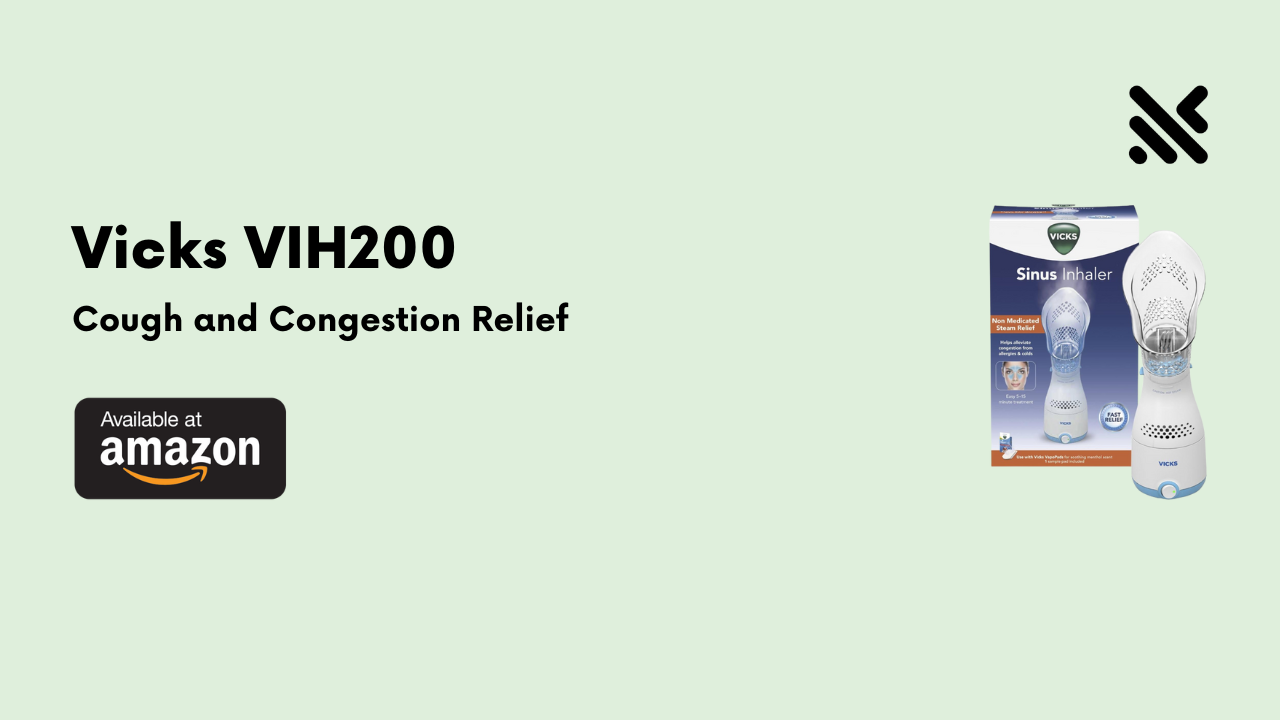
Vicks VIH200