Introduction
A callus remover slows away those thick, complex layers of dead skin, leaving your feet soft, smooth, and relaxed. These handy tools come in various forms, from manual foot files and pumice stones to electric shavers and gels. Plus, using a callus remover regularly can help prevent cracks and discomfort in the long run.
So, if you’re dealing with stubborn patches on your heels, toes, or the balls of your feet and are tired of hiding your feet or feeling self-conscious about those rough patches, a callus remover might be the solution you’ve been looking for.
Top Picks at a Glance
Types Of Callus Remover
Foot Files
These are the most common manual tools. Foot files typically have a rough surface that you rub against the callus to wear down gradually. They come in different materials, including metal and emery, and are ideal for those who prefer a hands-on approach.
Pumice Stones
A natural option, pumice stones are lightweight and have a porous texture. They’re great for gently removing dead skin and are often used in the shower when the skin is soft. Pumice stones are effective for mild to moderate calluses.
Rasps
These heavy-duty tools have a grated surface, similar to a cheese grater, and are designed to tackle thick, stubborn calluses. They require more care during use to avoid over-exfoliation but are highly effective for demanding skin.
Rotating Callus Removers
These battery-operated or rechargeable devices have a rotating head covered with a rough surface that buffs away dead skin. They’re easy to use and require minimal effort, and they’re excellent for people with thicker calluses or those looking for a quick solution.
Microplane Callus Removers
Similar to rotating models but with finer abrasive heads, Microplane removers are designed for precision. They work well on small and large calluses and provide a smooth finish.
6 Best Callus Remover
An electric callus remover is a rotating abrasive head that buffs thick calluses away with minimal effort. It often comes with adjustable speed settings, offering customizable exfoliation and consistent results. While it may be a more significant investment, its time-saving efficiency and long-lasting durability make it an excellent choice for those seeking a quick and powerful solution to stubborn calluses.
On the other hand, a foot file is a simple, manual tool with a coarse surface that allows precise control in removing dead skin. It’s ideal for targeting specific areas with gentle exfoliation. It’s affordable, portable, and requires no power, making it a convenient option for regular foot care.
Buying Guide For Callus Remover
Ease of Use
Look for a callus remover that fits comfortably in your hand and is easy to maneuver. If you’re going for an electric model, check if it’s cordless and rechargeable, which makes it more convenient to use anywhere.
Skin Sensitivity
Consider your skin type. If you have sensitive skin, you might want to opt for a gentler option like a pumice stone or a gel remover. For tougher skin, electric or manual rasps might be more effective.
Portability
A lightweight and compact callus remover might be more practical if you travel often. Some models even come with a travel case for added convenience.
Price
Callus removers range from budget-friendly to high-end. Manual tools are generally cheaper, while electric ones are pricier. Decide on your budget, but also consider the quality and durability of the product.
Safety Features
Look for safety features like automatic shut-off if too much pressure is applied, especially with electric models. These features prevent accidental nicks or irritation.
Customer Reviews
Finally, don’t forget to check customer reviews. Real user experiences can give you insights into how effective the callus remover is and whether it lives up to its claims.
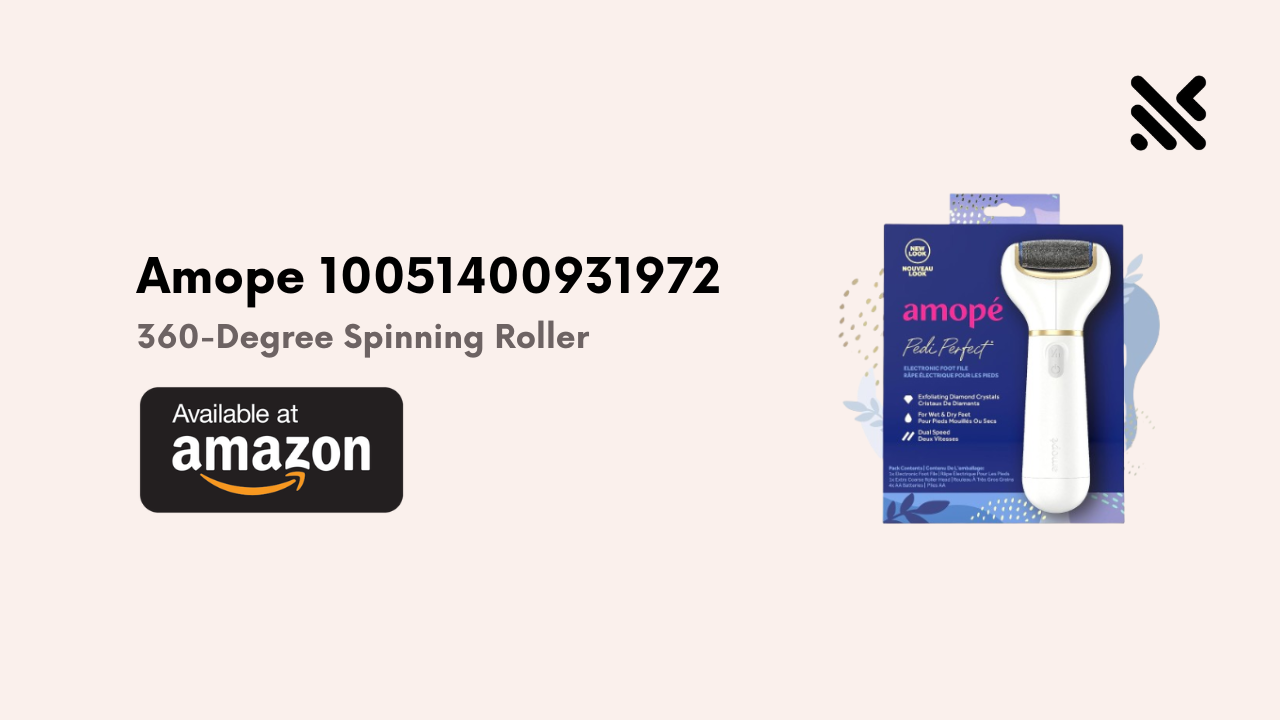
Amope 10051400931972 Callus Remover
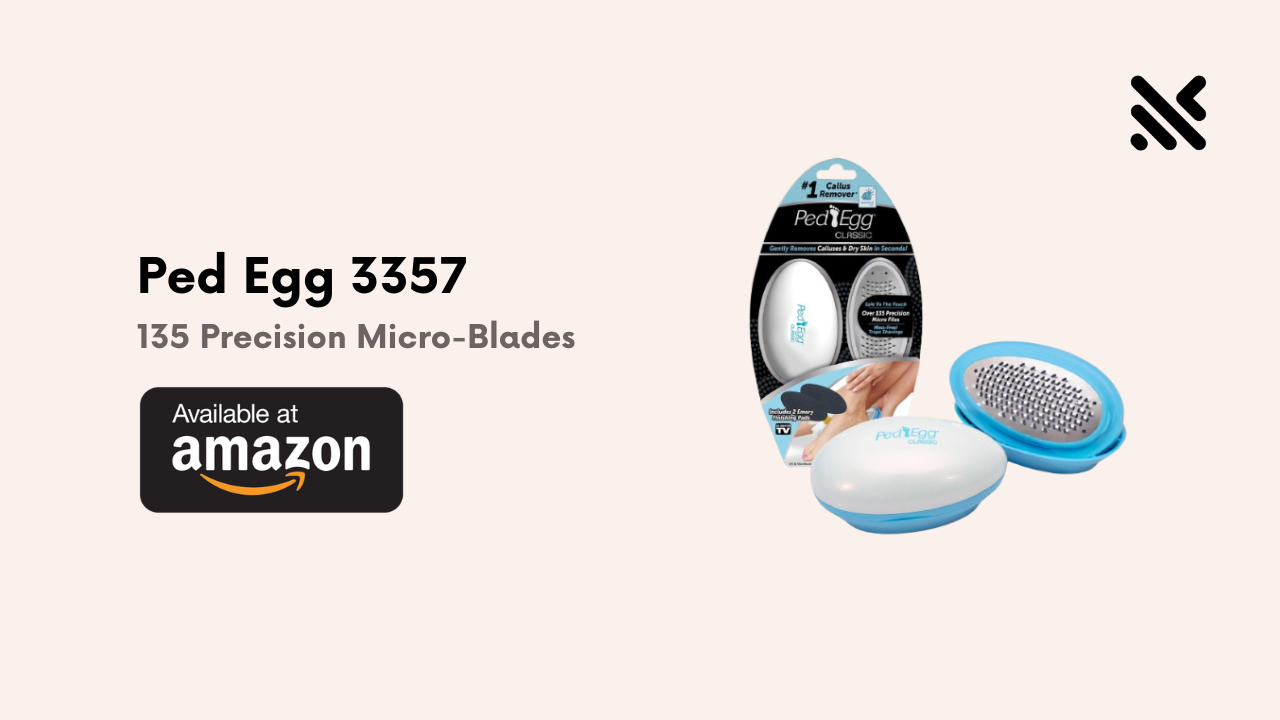
Ped Egg 3357 Callus Remover
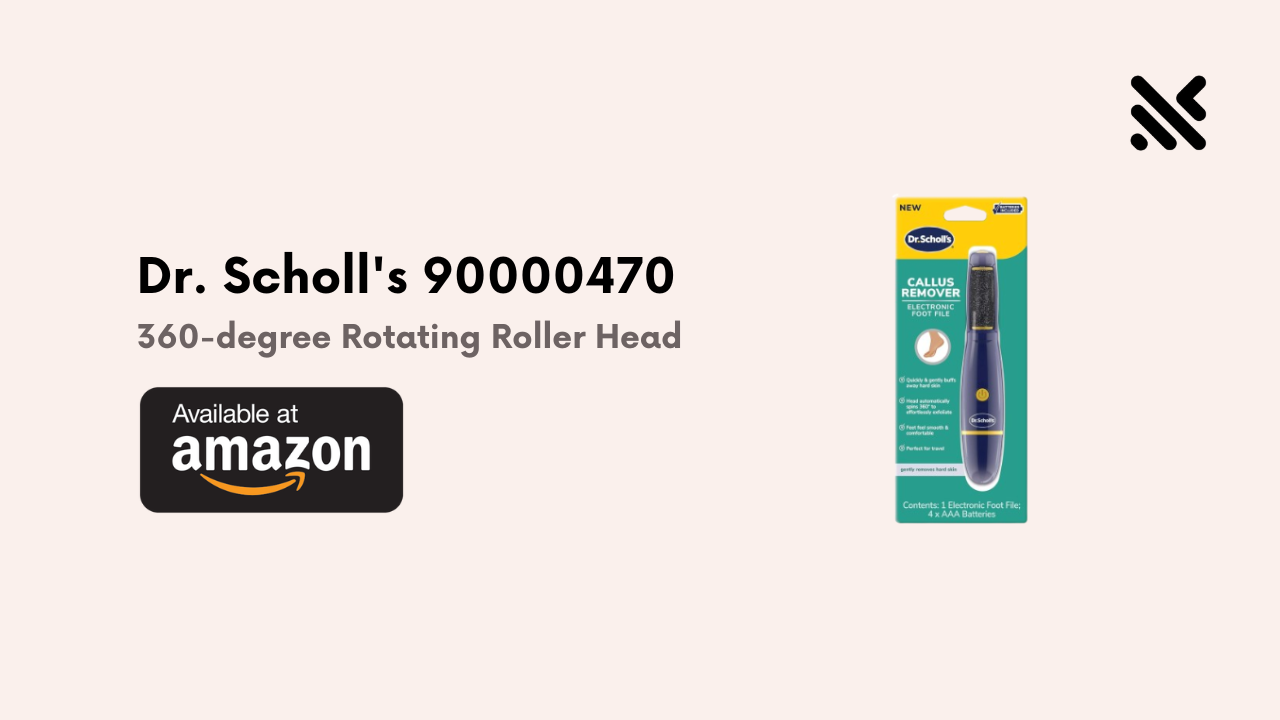
Dr. Scholl’s 90000470 Callus Remover
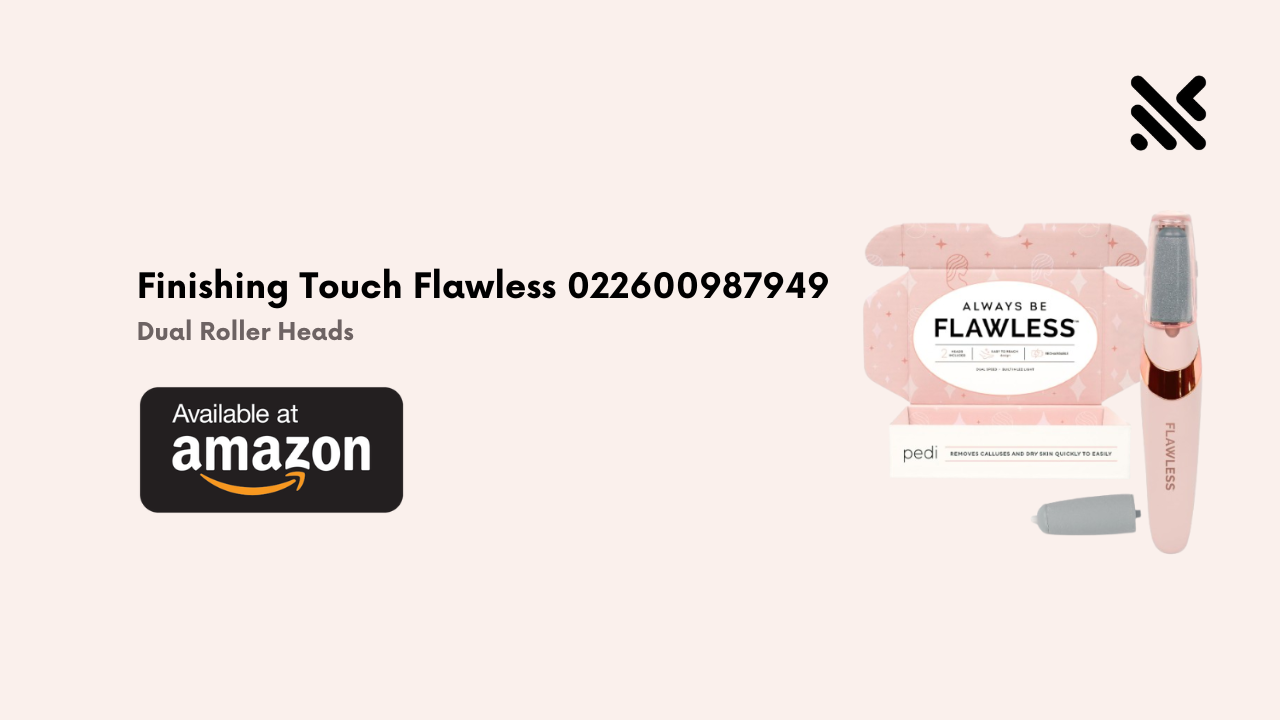
Finishing Touch Flawless 022600987949
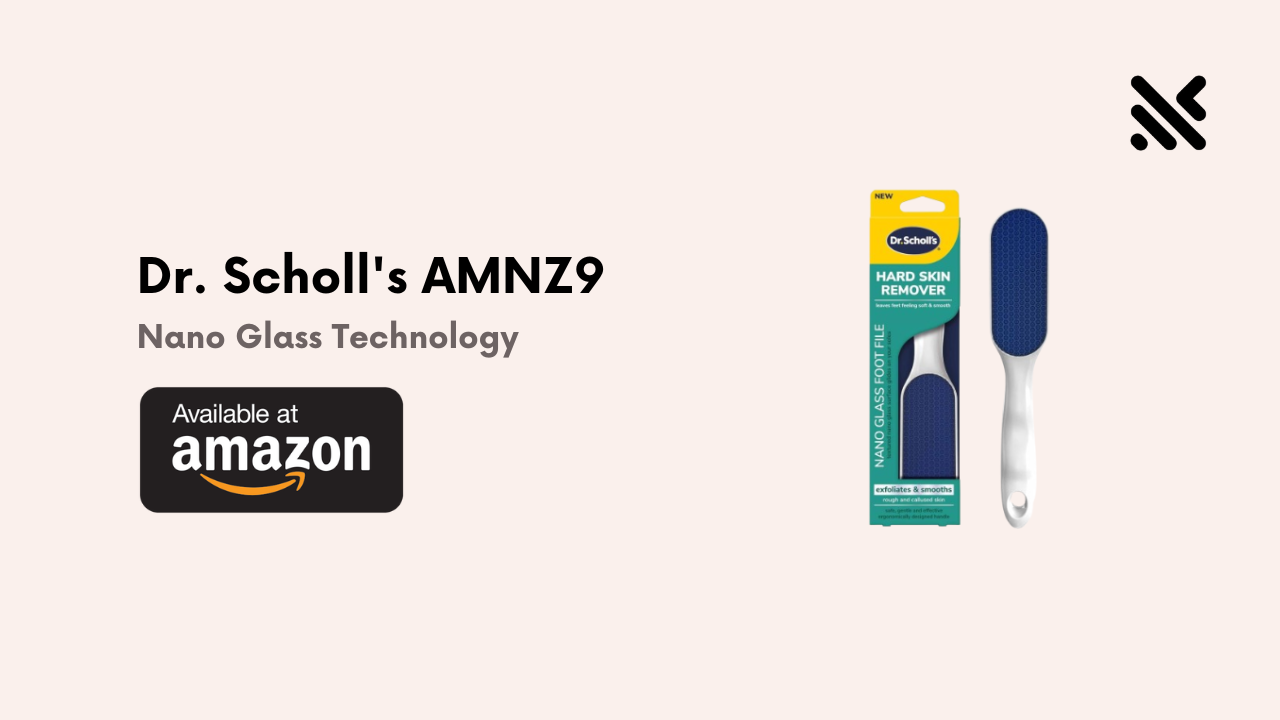
Dr. Scholl’s AMNZ9 Callus Remover