Introduction
A string trimmer, also known as a weed eater or weed whacker, is a helpful gardening tool used to cut grass and remove weeds in hard-to-reach areas. Unlike lawn mowers, string trimmers are designed to work around trees, fences, flower beds, and edges where regular mowers can’t reach. They use a fast-spinning nylon string instead of a blade to trim grass and weeds with precision.
In 2025, string trimmers have become smarter, more powerful, and easier to use. New models feature longer battery life, quieter motors, and adjustable shafts to accommodate users of different heights. Many of today’s trimmers are cordless, utilizing lithium-ion batteries that provide greater mobility and reduced pollution compared to gas-powered models. Some even feature smart controls or app connectivity to help you manage performance and battery life.
Whether you’re caring for a small garden or a large backyard, a string trimmer can make your yard work faster and cleaner. Choosing the right model depends on your needs, such as power type (electric, battery, or gas), cutting width, and comfort features like ergonomic handles. A good string trimmer not only saves time but also helps you maintain a neat and healthy lawn throughout the year.
Top Picks at a Glance
Types of String Trimmer
Gas-Powered String Trimmers
Gas-powered string trimmers are the best choice for large yards, thick weeds, and heavy-duty trimming jobs. These trimmers are very powerful and offer extended run-time, making them ideal for professional landscapers and users who need serious cutting performance. However, they do have some downsides. Gas trimmers are often heavy, noisy, and produce fumes. They also require regular maintenance, including fuel mixing, spark plug checks, and engine care. The good news is that in 2025, many manufacturers introduced newer models with quieter engines and lower emissions, making them slightly more eco-friendly than older versions.
Battery-Powered (Cordless) String Trimmers
Battery-powered string trimmers are ideal for small to medium-sized lawns and are particularly popular among homeowners seeking convenience. These models are lightweight, quiet, and easy to start—no cords or gas required. However, the power and run time depend on the battery size. While they may not handle thick brush as well as gas models, recent advances in 2025 have significantly improved their performance. 40V to 60V lithium-ion batteries now provide longer run-times, quicker charging, and smart power modes that automatically adjust energy use based on cutting conditions.
Corded Electric String Trimmers
Corded electric trimmers are best suited for small yards that are conveniently located near a power outlet. They are incredibly lightweight, easy to use, and require very little maintenance. One of their most significant advantages is unlimited run-time as long as they remain plugged in. However, they do have limited mobility due to the cord, which can be restrictive if your lawn is large or oddly shaped. If you choose this type, be sure to use a heavy-duty outdoor extension cord that matches your trimmer’s power needs for safe and efficient operation. For more details, please check the complete article about corded string trimmers.
Walk-Behind (Wheeled) String Trimmers
Walk-behind string trimmers, also known as wheeled trimmers, are excellent for large open areas, tall grass, or uneven ground. These models offer high power while reducing the physical strain on your arms and shoulders. They’re easy to push and are often used for clearing overgrown fields or rugged terrain. However, they are bulky and less precise in tight corners or around garden edges. Walk-behind models are an excellent option for users who find handheld tools tiring or challenging to manage over long periods.
Attachment-Capable Trimmers
Attachment-capable trimmers are designed for homeowners who want a single tool that can handle multiple lawn care tasks. These trimmers utilize a single engine base that powers various attachments, including an edger, blower, hedge trimmer, or even a cultivator. While they may cost more upfront, they offer excellent flexibility and help reduce clutter in your garage or shed. If you’re looking to get more functionality from one machine, an attachment-capable trimmer is an innovative and space-saving solution.
7 Best String Trimmer
A string trimmer is a powerful and convenient tool designed to keep your lawn edges neat and free from weeds. It features a fast-spinning nylon line that cuts grass in hard-to-reach areas where lawn mowers can’t go. Available in gas, battery, or electric models, string trimmers offer a lightweight design, easy handling, and low maintenance. Many models also include adjustable shafts, edging capabilities, and ergonomic grips, making lawn care faster, cleaner, and more efficient.
Buying Guide For String Trimmer
Power Type
String trimmers are available in three main power types, and selecting the right one depends on your yard size and personal preference. Corded electric trimmers are lightweight and affordable, making them perfect for small yards with easy access to a power outlet. However, the cord can limit your range of motion. Battery-powered (cordless) trimmers are very popular in 2025. These models are quiet, eco-friendly, and easy to handle.
Look for a model with at least a 40V lithium-ion battery to ensure strong performance and extended run-time. Gas-powered trimmers are the most powerful and are ideal for large yards or heavy-duty trimming. They can handle thick weeds but are heavier, noisier, and require more maintenance compared to electric options.
Cutting Width
The cutting width of a string trimmer refers to how much grass it can cut in one pass. Most models offer cutting widths ranging from 12 to 16 inches. A wider cutting width enables you to complete the job more quickly, especially in large, open spaces. On the other hand, a narrower cutting width gives you better control in tight spots or areas with delicate landscaping. Choosing the correct cutting width helps strike a balance between efficiency and precision in your yard work.
Shaft Type
String trimmers are available with either a straight shaft or a curved shaft. A straight shaft is longer and better for reaching under bushes or trimming in hard-to-reach areas. It’s also more comfortable for taller users and is commonly used for extended trimming tasks. In contrast, a curved shaft is shorter, lighter, and easier to control. It’s a good choice for shorter users or those with smaller lawns who want a more balanced feel while working.
Line Feed System
The line feed system controls how the trimmer releases more string when it wears down. There are three main types: bump feed, which lets you tap the head on the ground to release more line; automatic feed, which adjusts the line automatically while you trim; and manual feed, which requires stopping the trimmer and pulling the line out by hand. For ease of use, many people prefer bump or automatic feed systems, especially for longer trimming sessions.
Weight and Comfort
Comfort plays a significant role in choosing the right string trimmer. A good model should feel balanced and not too heavy to carry. Look for features such as adjustable handles, padded grips, and shoulder straps to minimize fatigue during use. If you plan to trim for extended periods or have a larger yard, these comfort features can significantly enhance your overall experience.
Extra Features
Modern string trimmers in 2025 come with several convenient features. Many offer interchangeable tool heads, allowing you to switch between trimmer, edger, or blower functions. Others include digital displays that show battery life or power settings, and some have eco or turbo modes for better energy efficiency or extra power when needed. These added features can enhance your trimming experience and make lawn maintenance easier.
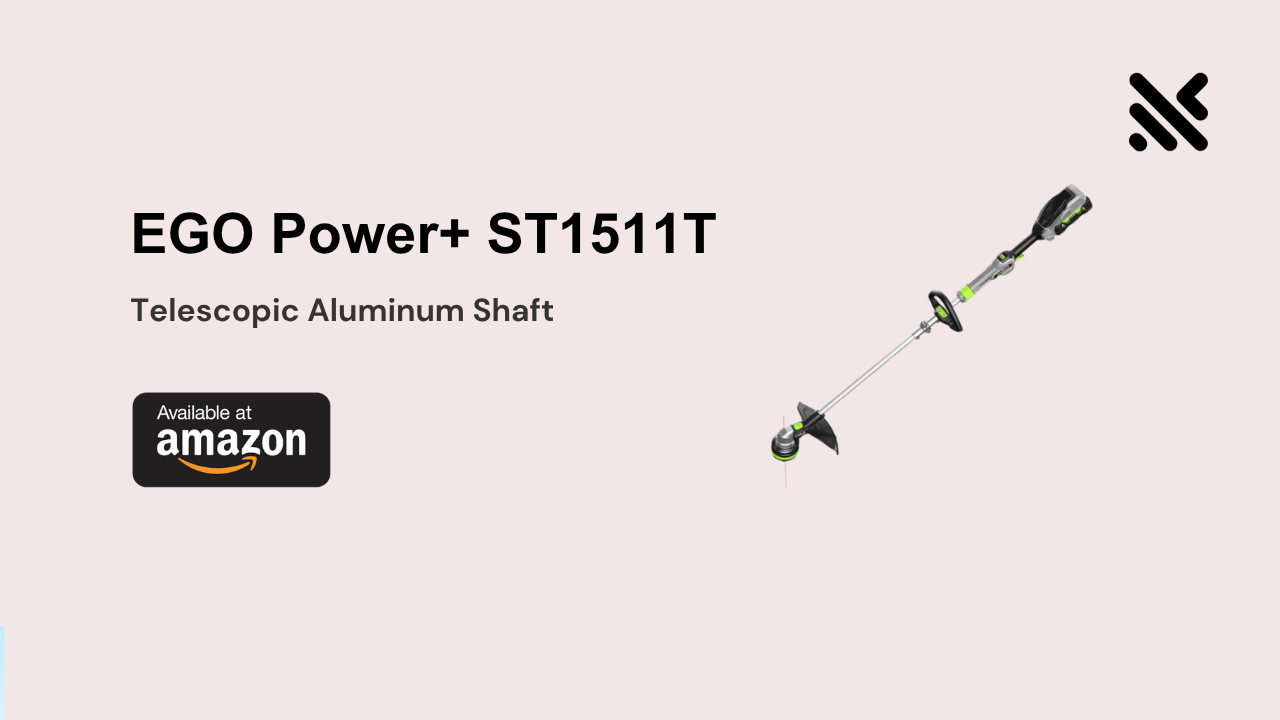
EGO Power+ ST1511T
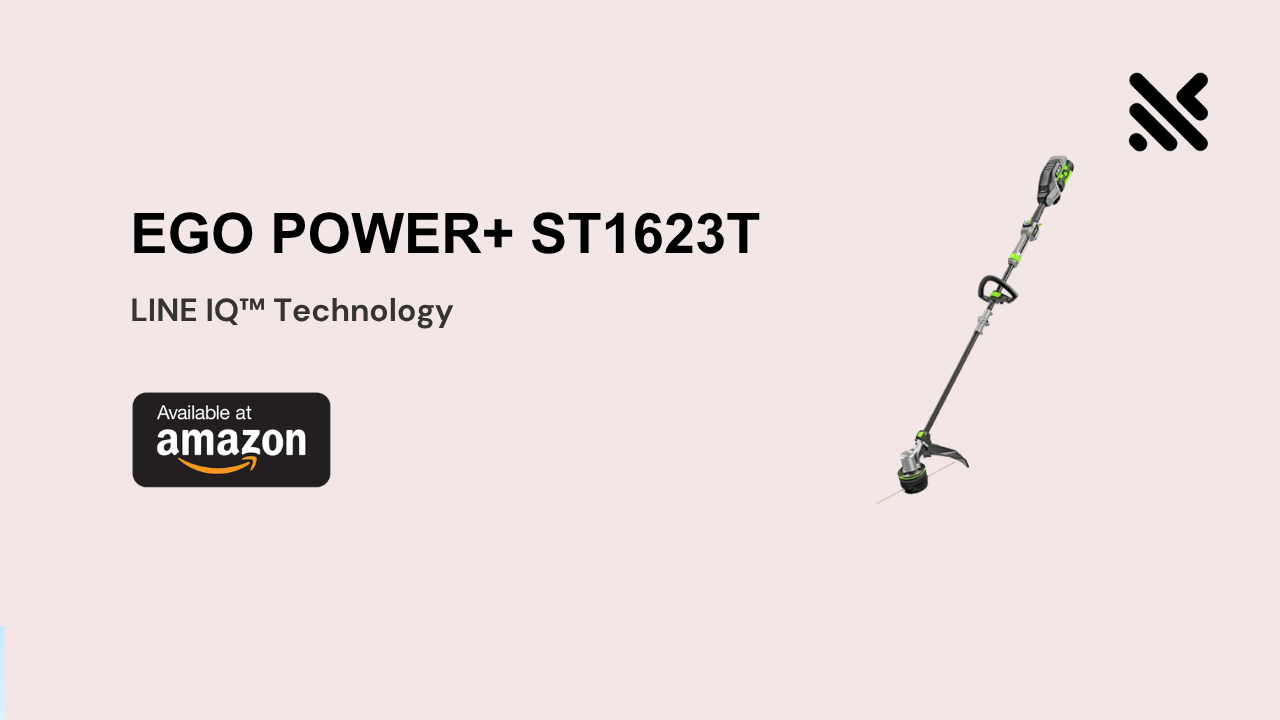
EGO POWER+ ST1623T
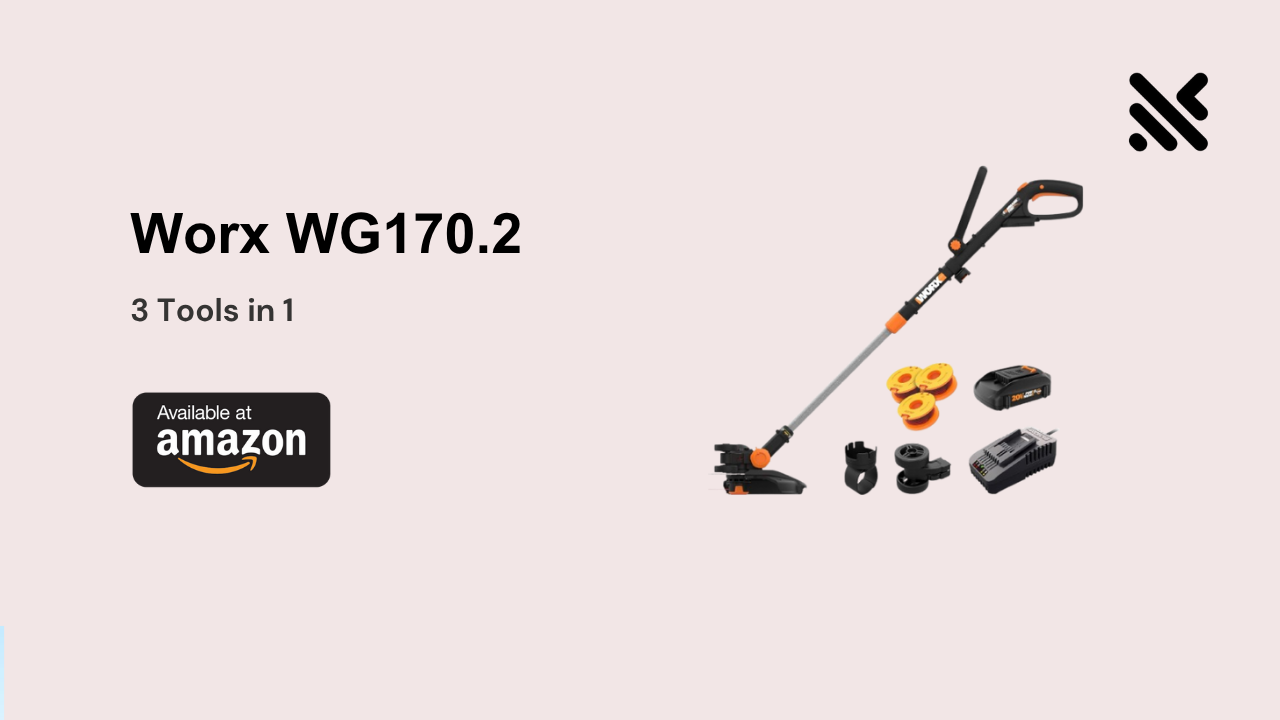
Worx WG170.2
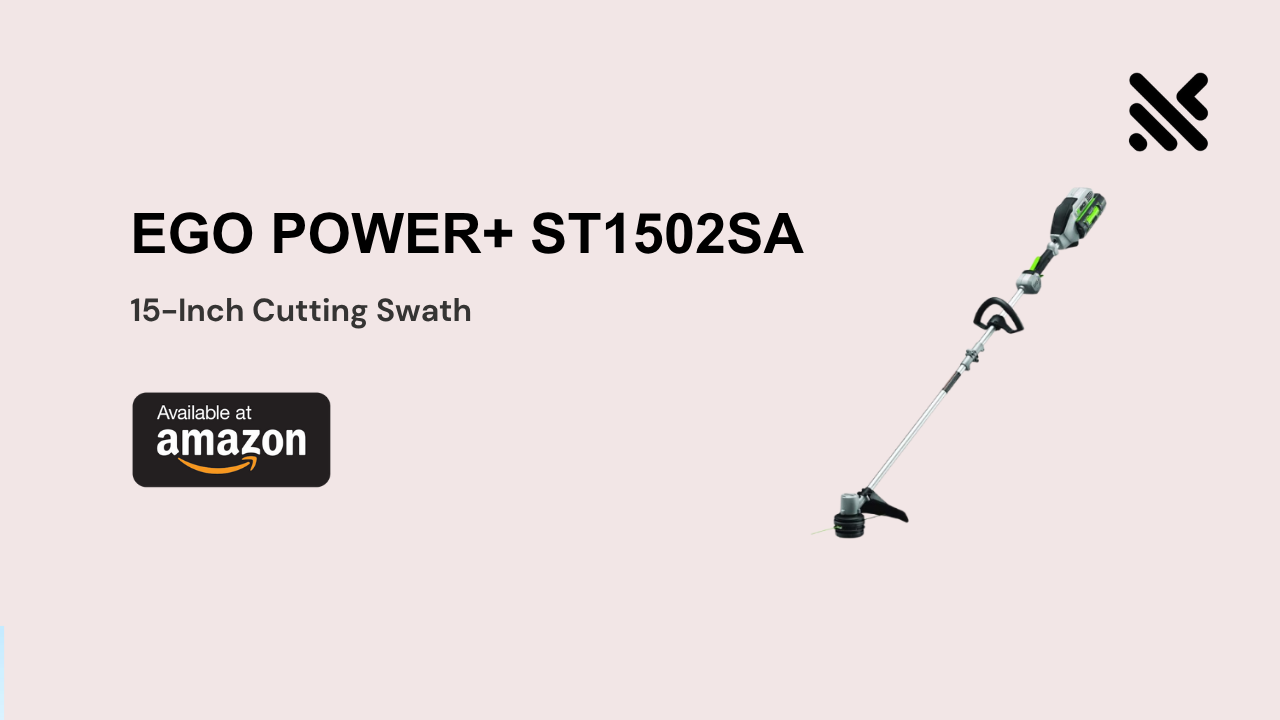
EGO POWER+ ST1502SA
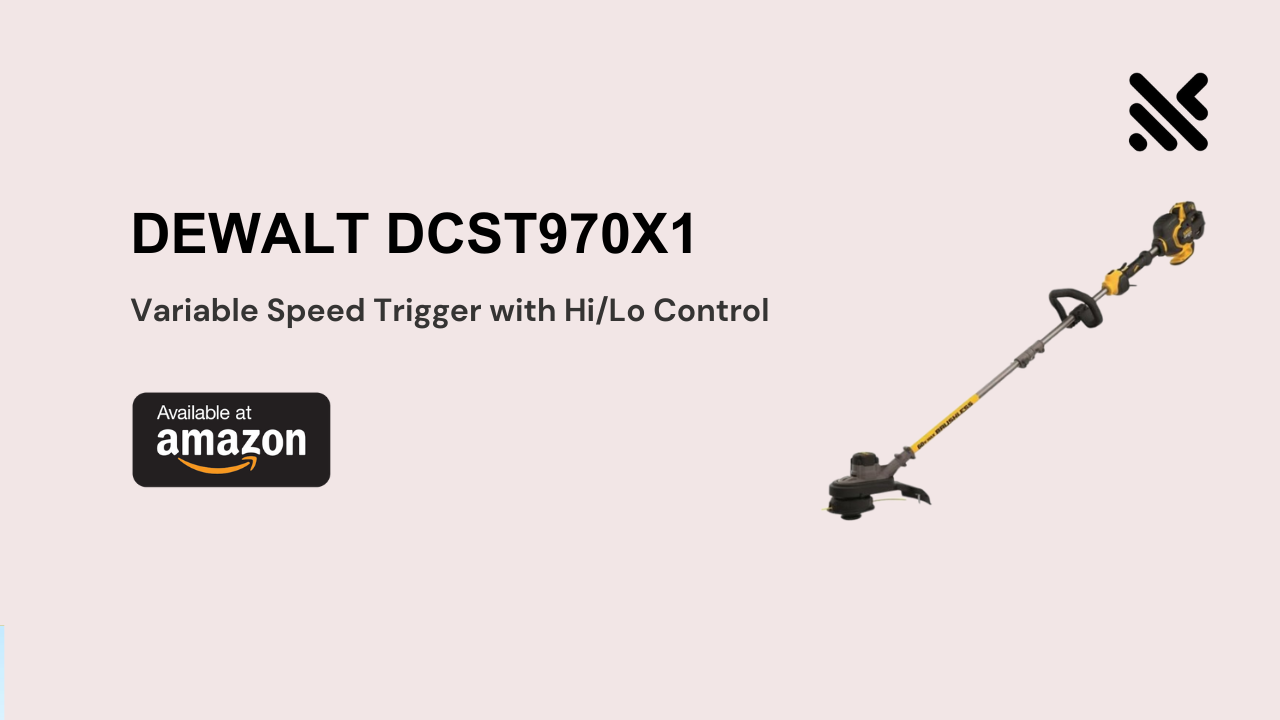
DEWALT DCST970X1 String Trimmer
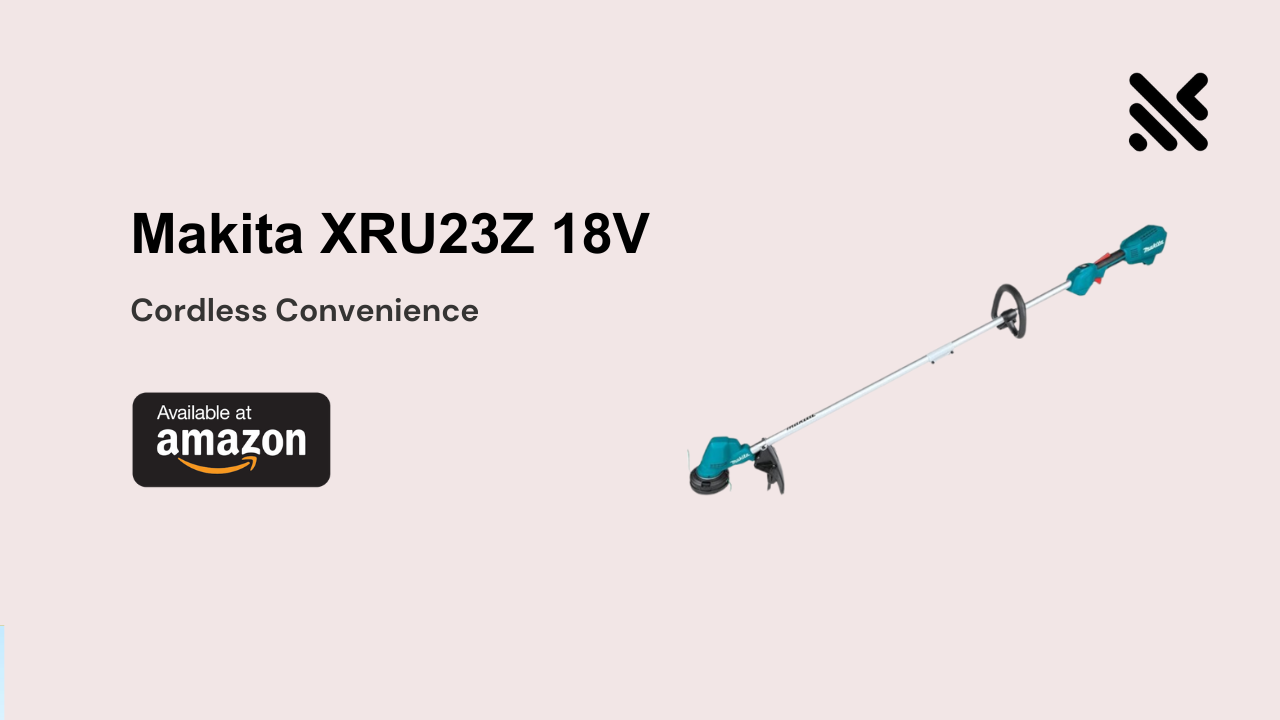
Makita XRU23Z 18V