Introduction
An IP (Internet Protocol) camera is a digital video camera that receives control data and sends image data over an IP network. Unlike analog CCTV cameras, IP cameras can send and receive data via the Internet or a computer network. It allows for remote viewing and management. These cameras typically come equipped with built-in web servers. It lets users view live video feeds from any location with internet access. The digital nature of IP cameras also allows for easy integration with other security systems and software. This makes them versatile and popular for home and business surveillance applications.
One of the key advantages of IP cameras is their ability to capture high-resolution video footage. This superior image quality is crucial for surveillance, as it allows for clearer identification of objects and individuals within the camera's field of view. With technological advancements, many IP cameras offer night vision capabilities. The wide dynamic range and even 4K resolution ensure that users can monitor their premises with enhanced clarity, even in low-light environments.
Moreover, IP cameras often come with advanced functionalities, such as motion detection and email alerts. This enables users to receive notifications when the camera detects any movement within its range. Some IP cameras offer two-way audio communication, allowing users to monitor and interact with individuals on the camera's premises. With their diverse features, high image quality, and remote access capabilities, IP cameras have become indispensable for enhancing security measures in residential and commercial settings.
Top Picks at a Glance
Types of Best IP Camera
Fixed IP Cameras
These cameras are stationary and offer a fixed view of a specific area. They are suitable for monitoring particular locations, such as entrances, hallways, or rooms, where a constant view is required.
PTZ IP Cameras
PTZ (Pan-Tilt-Zoom) cameras allow users to remotely control the camera’s pan, tilt, and zoom functions. This flexibility enables users to monitor a wide area and zoom in on specific details. PTZ cameras are commonly used in larger surveillance areas that require flexible monitoring capabilities.
Dome IP Cameras
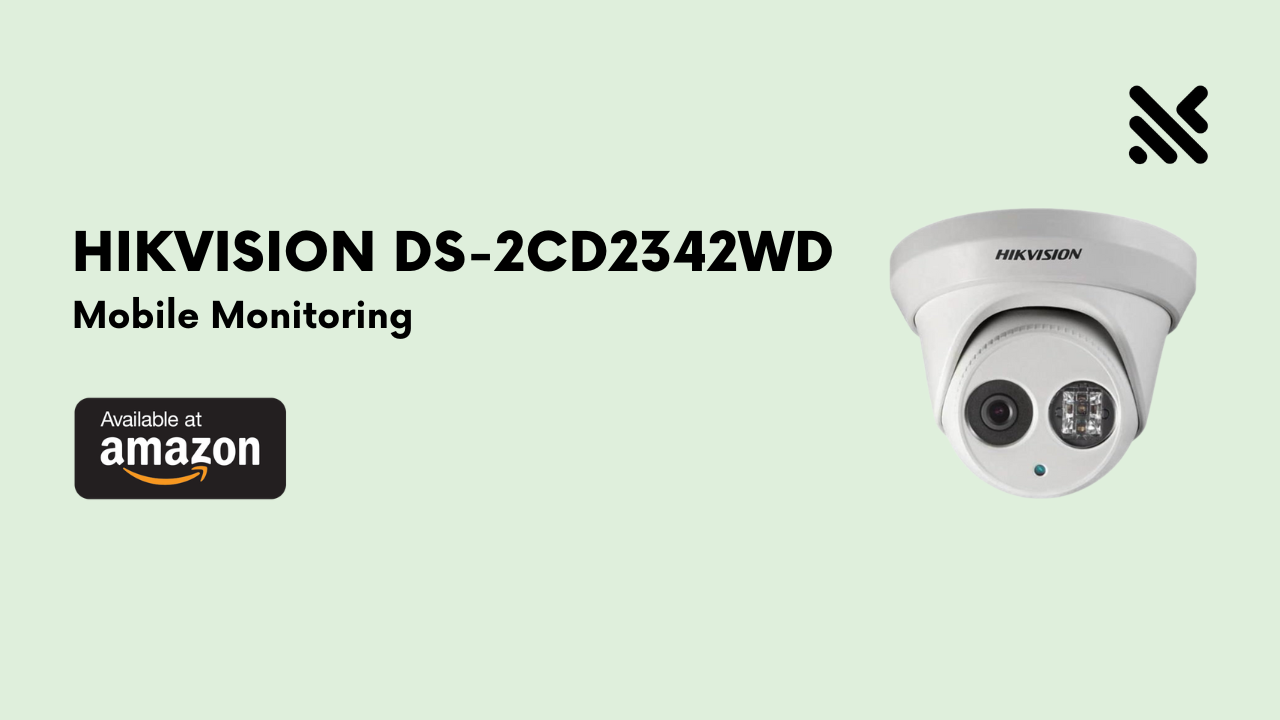
Dome cameras are named for their dome-shaped design, making it difficult for onlookers to discern where the camera points. These cameras are commonly used indoors and outdoors and are also preferred for their discreet design and wide viewing angles.
Bullet IP Cameras
These cameras are sleek and cylindrical, typically used for outdoor surveillance. They are known for their long range and are often equipped with infrared technology for night vision.
Wireless IP Cameras
Wireless IP cameras feature WiFi connectivity, enabling easy installation and flexible placement without the need for extensive wiring. These cameras are popular for home surveillance systems and in locations where wiring may be challenging.
Thermal IP Cameras
Thermal IP cameras use heat-sensing technology to detect and capture images based on heat signatures. This makes them ideal for low-light and no-light surveillance environments.
5 Best IP Camera
IP cameras offer a range of advanced features and benefits, making them an essential tool for modern surveillance needs. These cameras provide high-resolution video capture, enabling clear and detailed monitoring of premises. With the ability to connect to the Internet or a computer network, IP cameras allow for remote viewing and management. It enables users to monitor their properties from anywhere with an Internet connection.
Additionally, many IP cameras are equipped with motion detection, night vision, and two-way audio communication capabilities. It enhances security measures and provides real-time alerts for suspicious activities. The seamless integration of IP cameras with other security systems and software further enhances their versatility. It makes them a reliable and customizable solution for residential and commercial surveillance applications.
Buying Guide for Best IP Camera
Understanding IP Cameras
Explain what IP cameras are and how they differ from analog cameras. It highlights the benefits of IP cameras over traditional systems.
Resolution and Image Quality of an IP Camera
Discuss the significance of high resolution for precise monitoring.
Low Light Performance
Explain the importance of good low-light capabilities for 24/7 surveillance.
Field of View
Highlight the impact of the field of view on the surveillance range.
Connectivity and Integration
Discuss the importance of seamless integration with other security systems.
Storage Options
Explain different storage options and their suitability for specific needs.
Motion Detection and Alerts of an IP Camera
Discuss the importance of motion detection and its role in enhancing security.
Two-Way Audio
Highlight the benefits of two-way audio communication for interactive monitoring.
Remote Access and Mobile Viewing
Discuss the significance of accessing live feeds remotely through mobile devices.
Encryption and Data Security
Explain the importance of data encryption for protecting sensitive information.
Privacy Settings and Compliance
Discuss the significance of adhering to privacy regulations and guidelines.
DIY vs. Professional Installation
Discuss the pros and cons of both options.
Maintenance Requirements
Provide tips on maintaining and troubleshooting IP cameras for optimal performance.
Upfront Costs vs. Long-Term Value
Explain the importance of considering long-term benefits over initial costs. Also, discuss potential additional expenses, such as storage and maintenance costs.
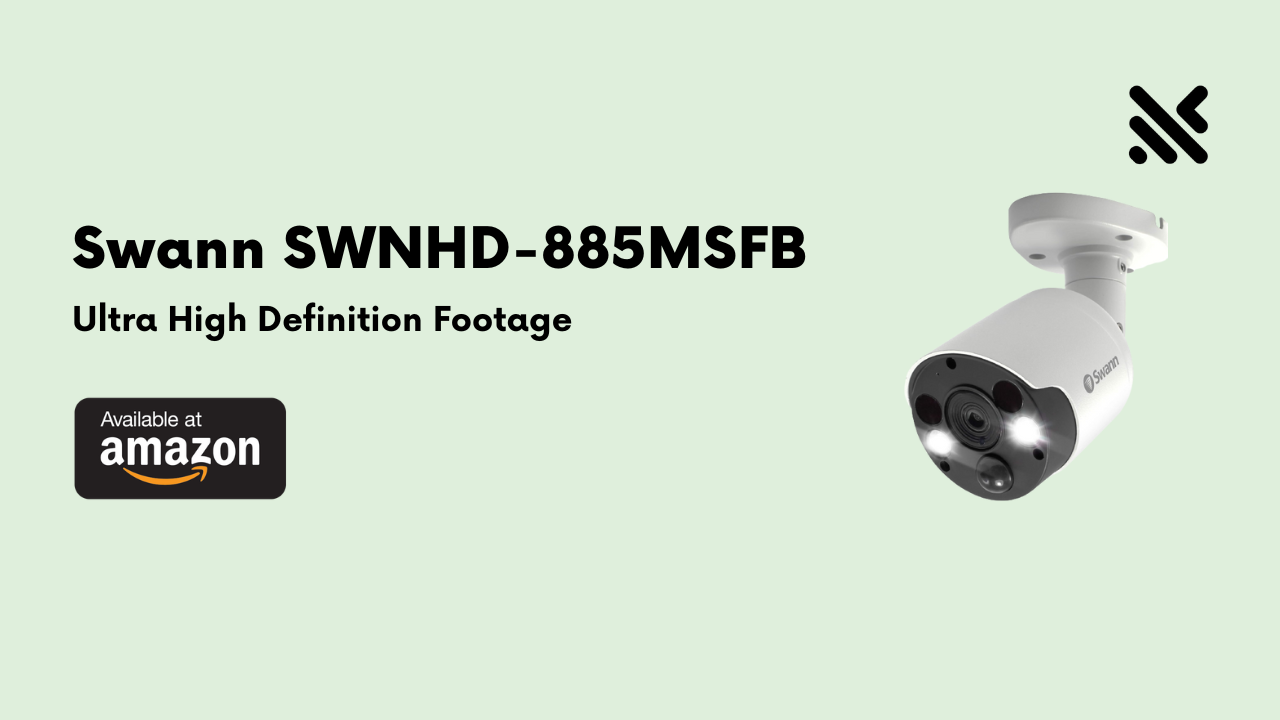
Swann SWNHD-885MSFB

Google GA01998
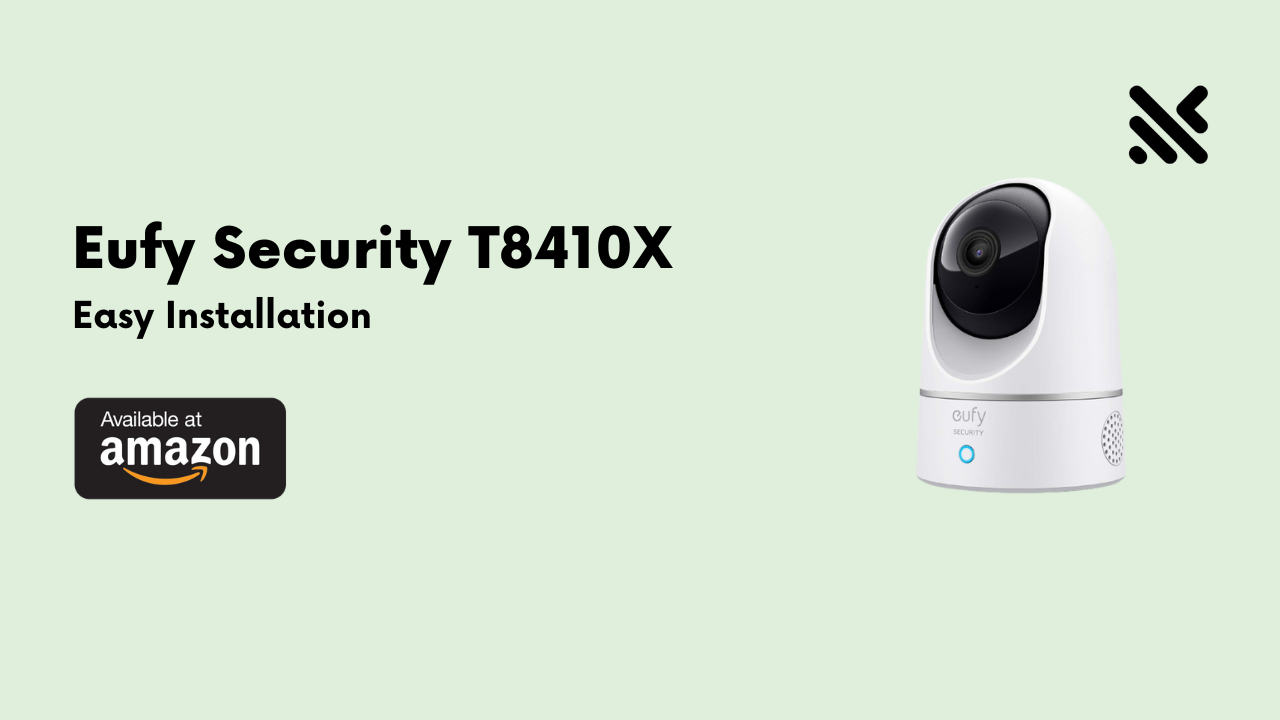
eufy Security T8410X
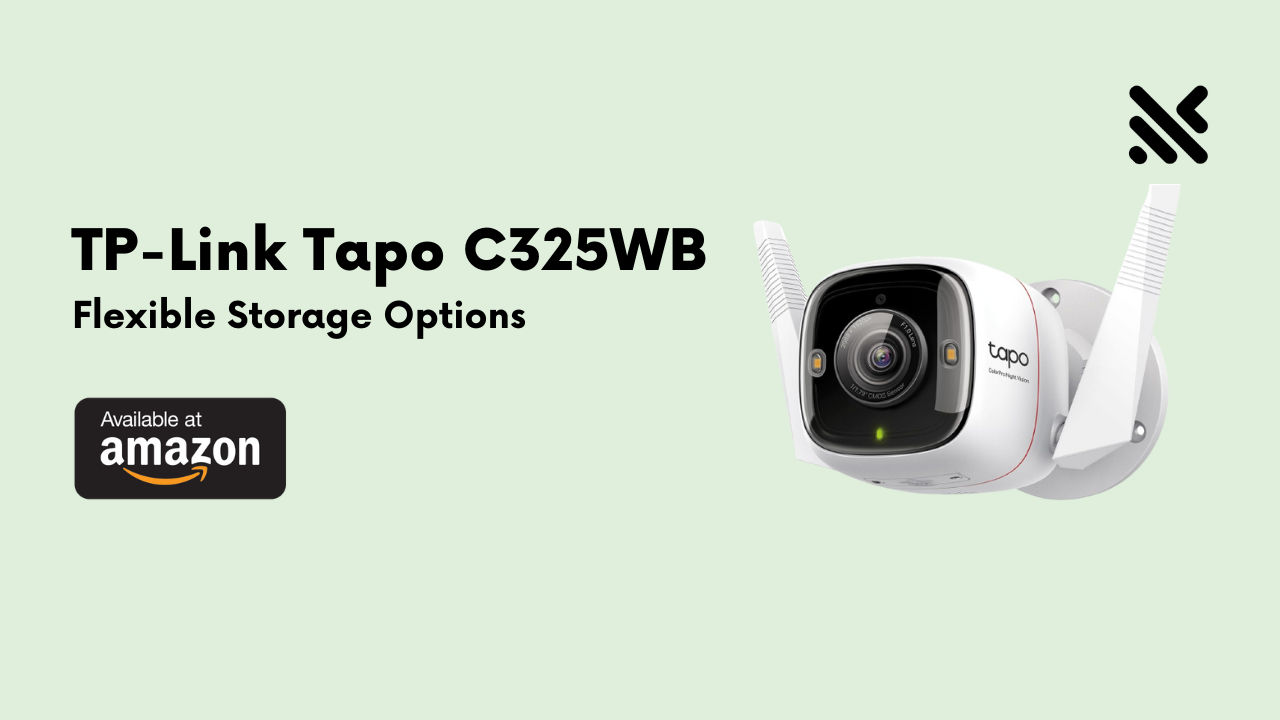
TP-Link Tapo C325WB