Introduction
A space heater delivers customizable warmth, making it a practical and cost-effective way to stay cozy during colder months. A space heater is a small device that warms up your room or a specific area. Space heaters are simple to use and can save energy because they let you heat only the space you're using.
There are different types of space heaters to fit your various needs. Some, like convection heaters, heat the air around you, while others, like radiant heaters, warm objects and people directly. Oil-filled and ceramic heaters are popular because they are safe and energy-efficient. Modern space heaters have safety features like automatic shut-off if they tip over or get too hot. They are also designed to stay cool outside, making them safer if you have children or pets.
Space heaters are portable and easy to move so that you can use them in your bedroom, living room, or office. They are an excellent choice for staying warm without spending too much on heating. With the right space heater, you can enjoy a comfortable and warm winter space. Space heaters provide warmth quickly, making them ideal for immediate comfort in cold areas.
Top Picks at a Glance
Types of Space Heaters
Convection Heaters
Convection heaters work by warming the air around them, which then circulates naturally throughout the room. They are ideal for providing consistent and even heat to larger spaces. They are often quiet and well-suited for long-term heating. Examples include oil-filled radiators and baseboard heaters, which offer a steady, reliable heat source without noticeable noise.
Radiant Heaters
Radiant heaters use infrared heat to directly warm objects and people instead of heating the air. This makes them highly efficient for spot heating in small areas or for personal use. Radiant heaters are known for delivering instant warmth, making them an excellent choice for quick comfort in colder spaces.
Ceramic Heaters
Ceramic heaters generate heat using ceramic plates, often with a fan blowing warm air into the room. They are compact, portable, and heat up quickly, making them perfect for small to medium spaces. Many ceramic heaters also come with oscillation and safety features, adding to their convenience and user-friendliness.
Oil-Filled Heaters
Oil-filled heaters, often resembling radiators, use heated oil to radiate warmth into the surrounding area. They are excellent at providing consistent, long-lasting heat and are especially appreciated for their silent operation. They are also energy-efficient and maintain warmth even after being turned off.
Fan-Forced Heaters
Fan-forced heaters use a fan to push air over a heating element, distributing warm air throughout the room. These heaters heat up quickly and are typically affordable and portable. They are ideal for small to medium spaces but can be slightly noisy due to the fan.
Infrared Heaters
Infrared heaters produce infrared light, which warms objects and people directly without significantly heating the surrounding air. They are energy-efficient for targeted heating and operate quietly, making them suitable for outdoor or drafty spaces. Patio heaters and wall-mounted units are typical examples of infrared heaters.
Micathermic Heaters
Micathermic heaters combine radiant and convection heating to provide quick, even warmth. They emit heat using mica cheats and are often slim and lightweight, making them easy to move around. Their silent operation and sleek design make them a good option for modern homes and offices.
Propane or Gas Heaters
Propane or gas heaters are powered by propane or natural gas, making them an excellent choice for outdoor areas or spaces without access to electricity. They are portable and deliver powerful heat, commonly used in patios, garages, or workshops. However, they require proper ventilation to ensure safe use.
10 Best Space Heater
Space heaters are compact, portable devices designed to provide targeted warmth, making them ideal for small to medium-sized spaces. They come in various types, such as convection, radiant, ceramic, and oil-filled models, each tailored to specific heating needs. They are safe for homes with children and pets and equipped with advanced safety features like tip-over protection, overheat shut-off, and cool-to-touch exteriors.
Many space heaters include adjustable thermostats, timers, and energy-saving modes, allowing for efficient operation and reduced energy bills. Their quick heating capability provides immediate comfort, while their lightweight design makes them easy to move from room to room.
Some models offer remote controls, oscillation, and intelligent connectivity for convenience. Whether for supplemental heating or personal comfort, space heaters deliver customizable warmth, making them a practical and cost-effective solution for staying cozy during colder months.
Buying Guide For Space Heater
Type of Space Heater
Firstly, check what your needs are and which type fits them. Before buying, you should get information on all kinds of things; then, it would be easy to decide on the right one. Convection Heaters heat entire rooms by circulating warm air; on the other hand, radiant heaters provide direct warmth and are ideal for personal use in small areas.
Oil-filled heaters are quiet and energy-efficient, suitable for consistent, long-term heating. Ceramic Heaters are fast-heating and lightweight, often with advanced safety features. We searched and tried our best to provide you with detailed information about space heaters; read this information thoroughly before buying. Choosing the right space heater with the best features will be easy.
Size and Heating Capacity
Check the heater's wattage. Heating capacity is measured in watts or BTUs, with a general rule of 10W per square foot (e.g., a 1500W heater covers ~150 sq. ft.). Factors like insulation, ceiling height, and room layout impact performance. Convection heaters warm whole rooms, infrared heaters provide focused warmth, and fan-forced models heat quickly. Choosing the right heater ensures effective heating while optimizing energy use and safety.
Energy Efficiency
Energy efficiency in space heaters depends on their type, wattage, and features that minimize energy waste. Infrared and oil-filled heaters are the most efficient, as they retain and radiate heat longer, while ceramic heaters offer moderate efficiency. Features like thermostats, eco-modes, timers, and auto shut-offs help optimize power consumption. Using zone heating (warming only occupied areas) and improving insulation can further reduce energy costs. Choosing the right heater size, setting lower temperatures, and pairing it with ceiling fans can maximize efficiency and maintain warmth without excessive energy use.
Safety Features
Space heaters provide convenient heating but can pose fire, electrical, and burn hazards if not used safely. Modern models include various safety features to reduce risks and ensure safe operation. Many space heaters come with built-in thermal sensors that detect excessive heat. If the heater reaches a dangerous temperature, it automatically shuts off to prevent overheating. This feature helps prevent fires and electrical malfunctions.
Noise Level
The noise level of a space heater is an important consideration, especially for bedrooms, offices, and quiet environments where excessive noise can be disruptive. Space heaters vary in noise output depending on their design, heating method, and built-in components such as fans or moving parts. Understanding how different heater types generate noise can help you choose a model that balances heating efficiency with quiet operation.
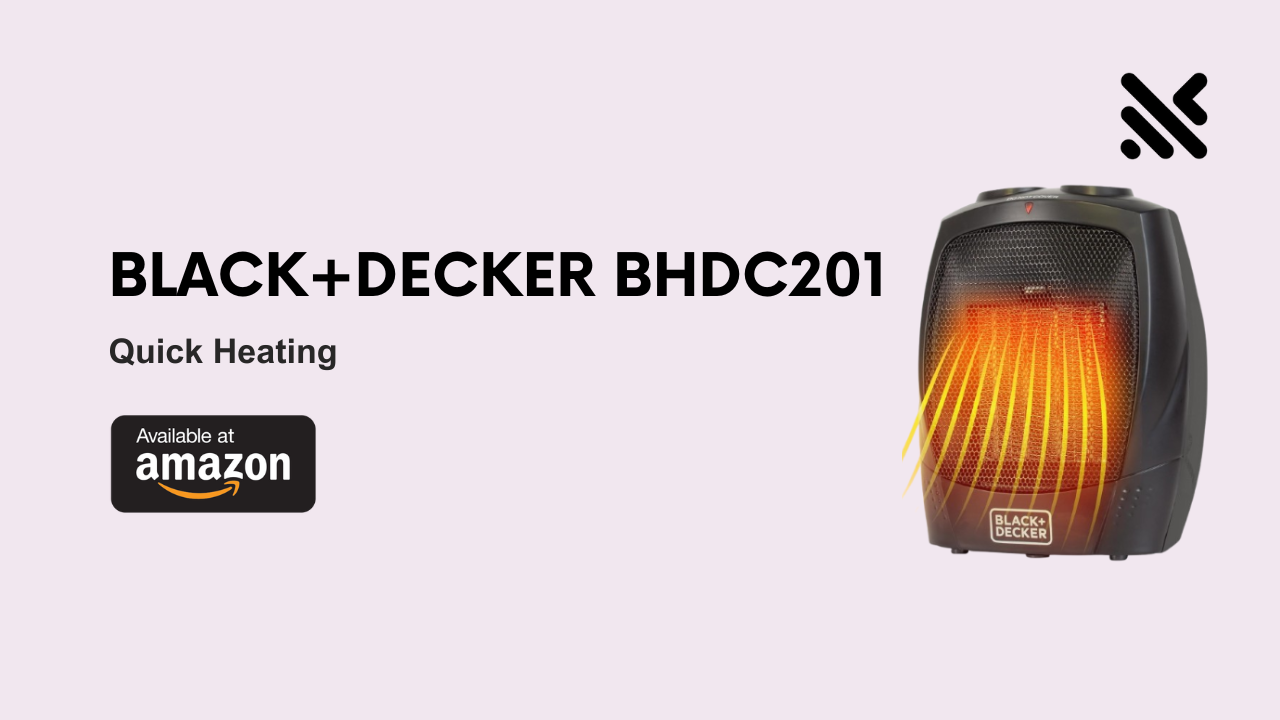
BLACK+DECKER BHDC201
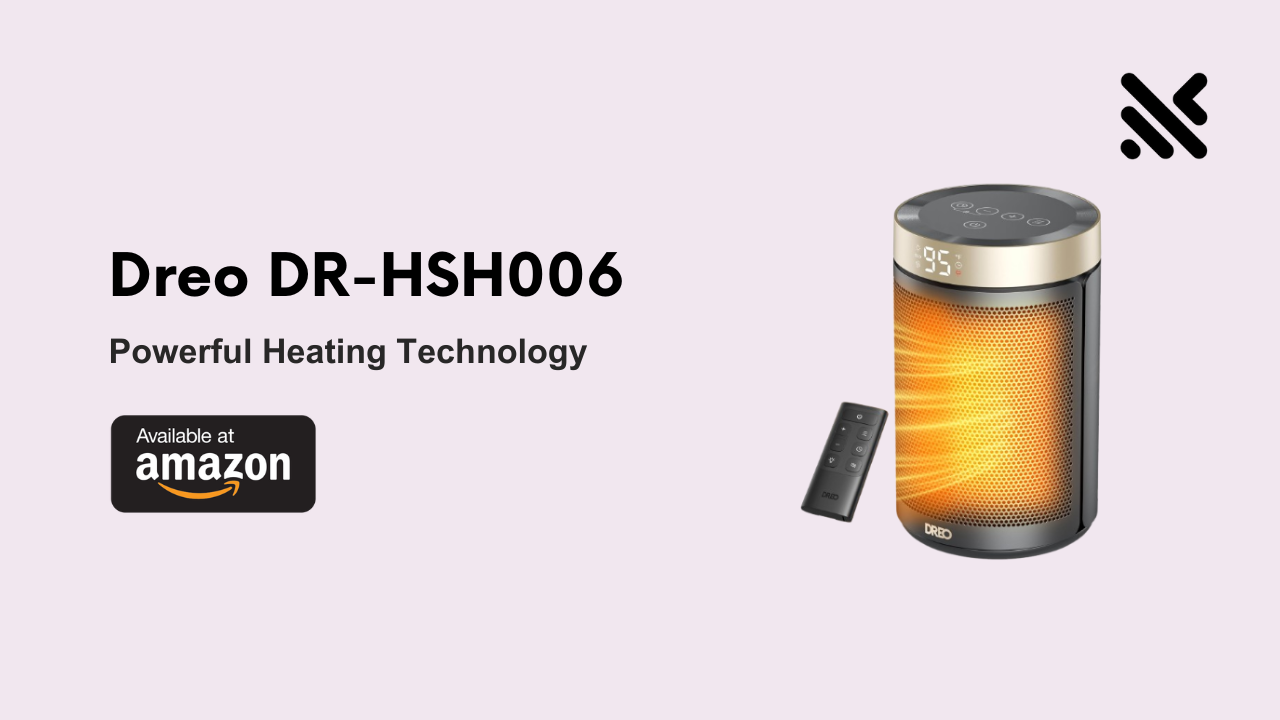
Dreo DR-HSH006
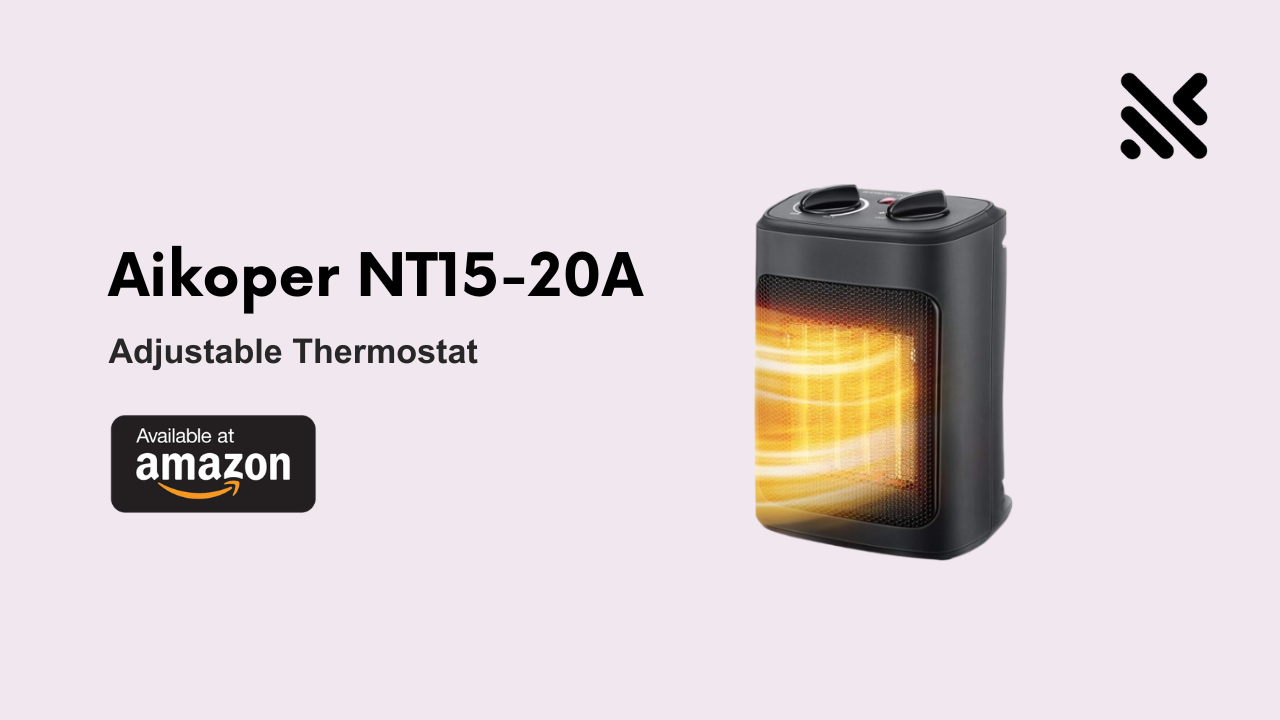
Aikoper NT15-20A
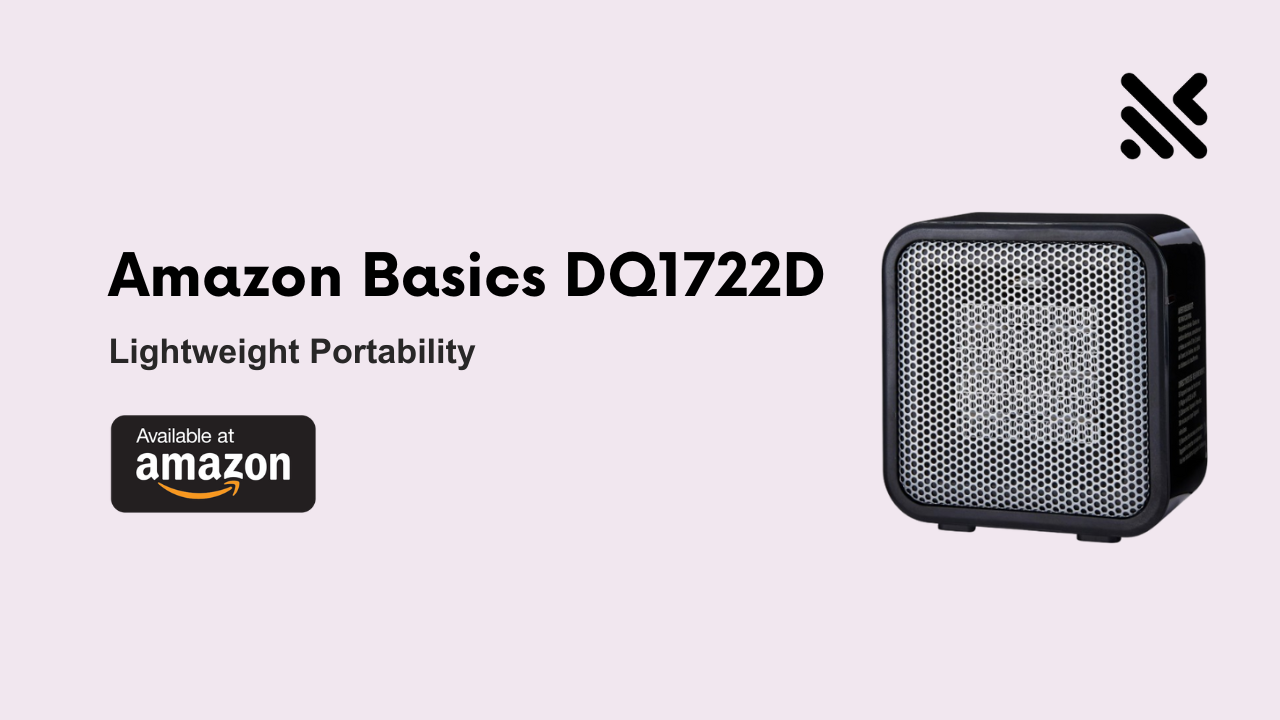
Amazon Basics DQ1722D
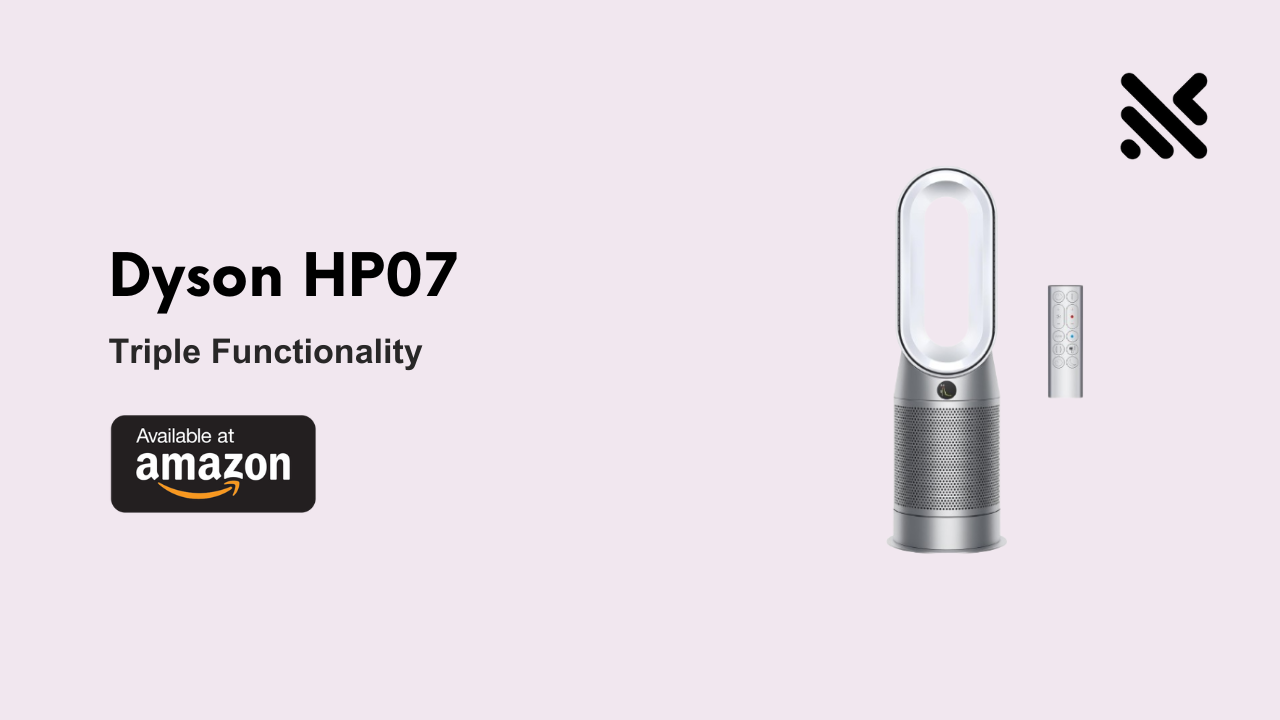
Dyson HP07
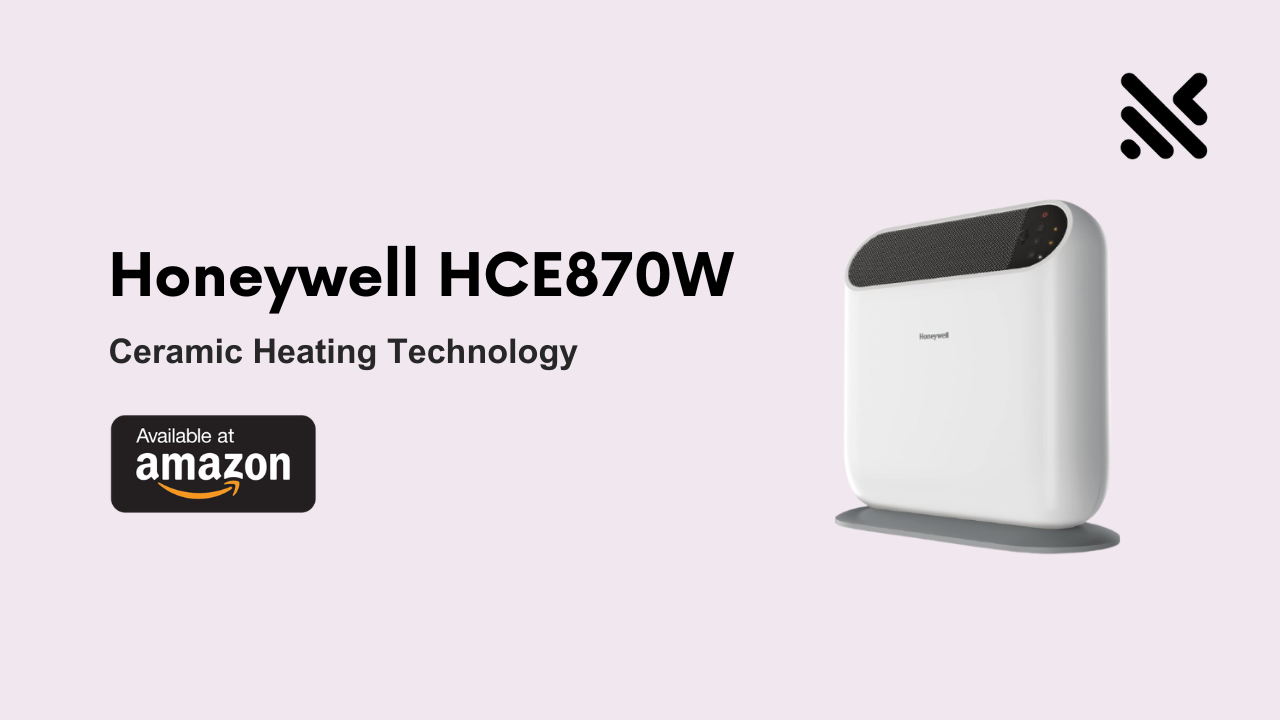
Honeywell HCE870W
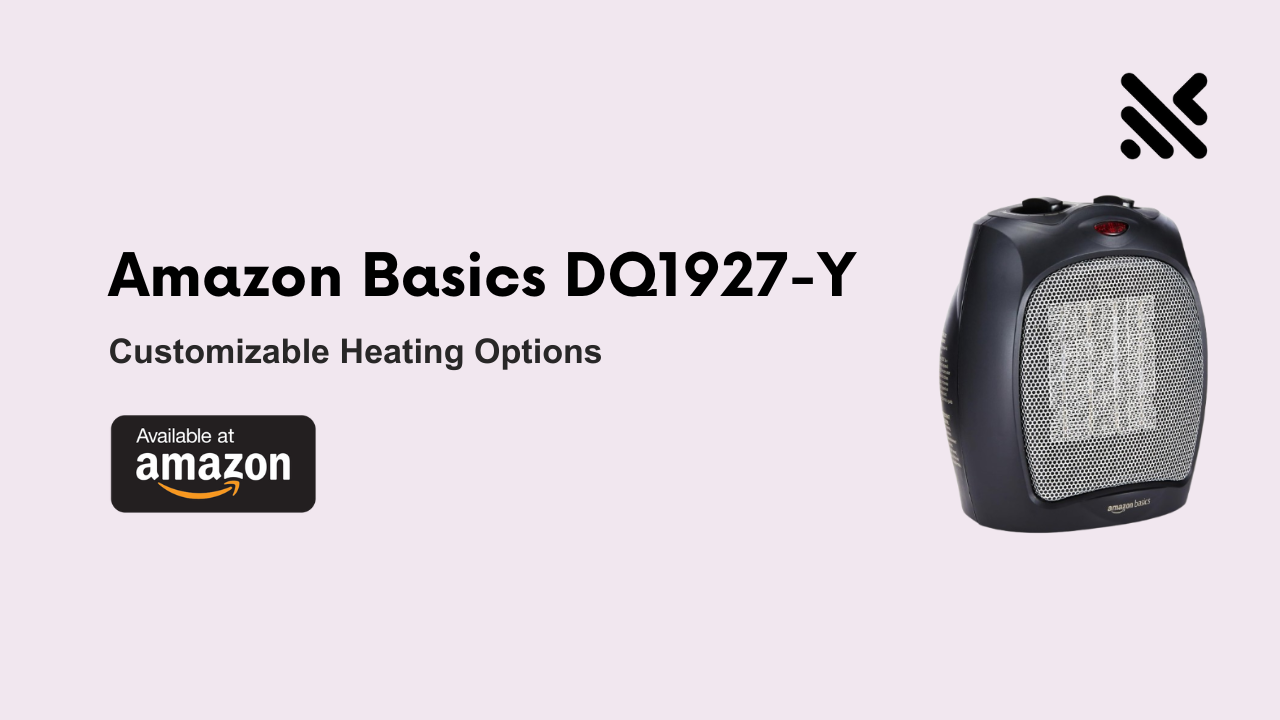
Amazon Basics DQ1927-Y
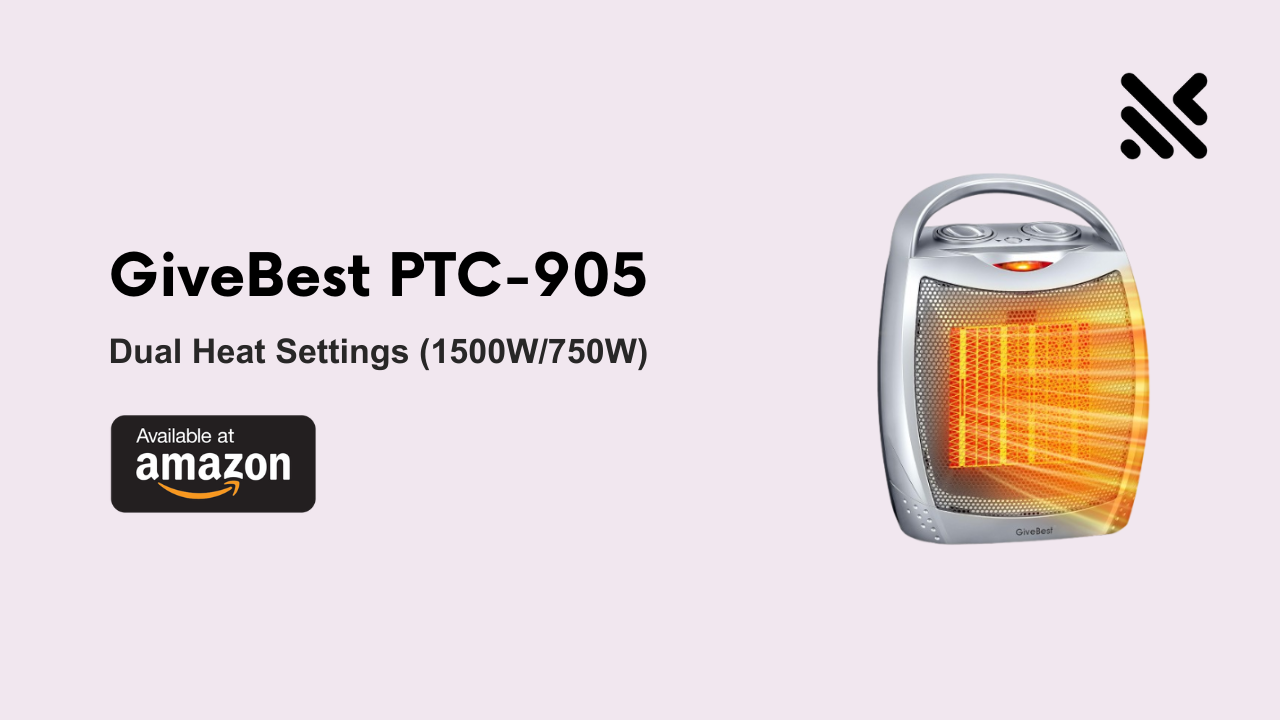
GiveBest PTC-905
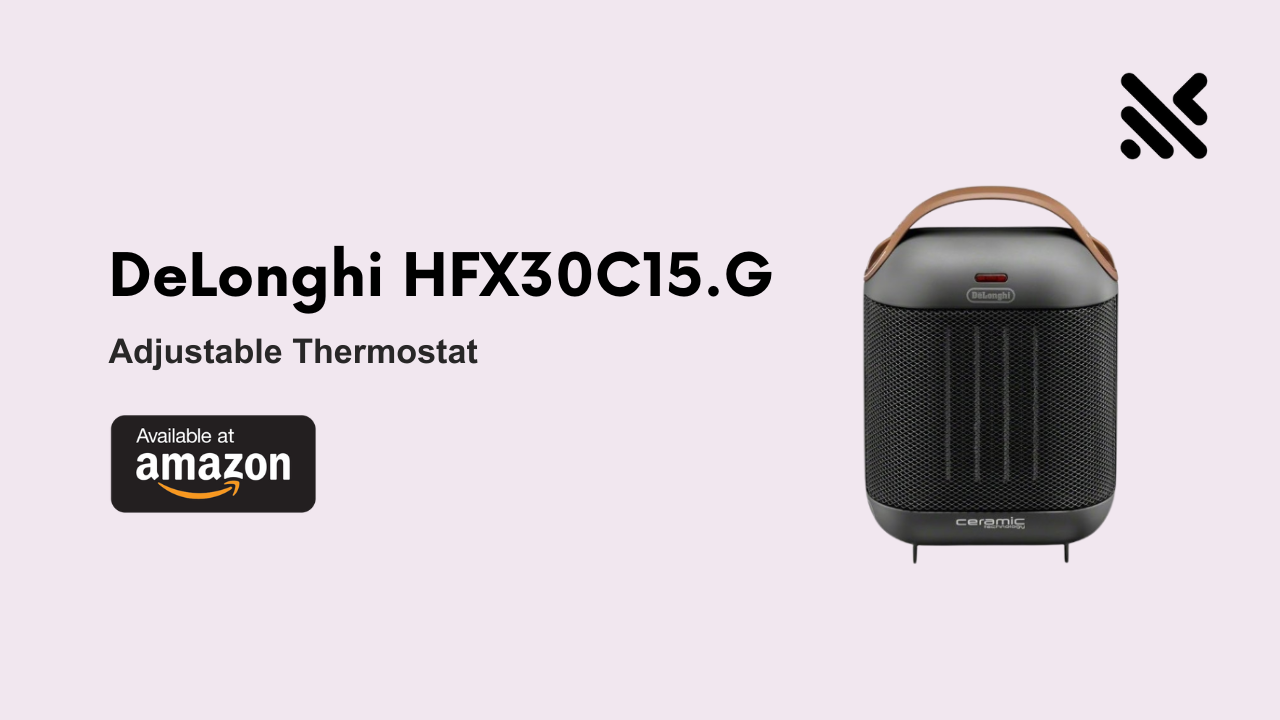
DeLonghi HFX30C15.G