Introduction
An electric heater is a modern device that efficiently provides warmth during cold seasons. It uses electrical energy to create heat, eliminating the need for traditional heating methods. Available in various sizes and types, electric heaters have become a crucial part of daily life.
An electric heater converts electrical energy into heat through resistive heating elements. These elements warm up quickly, delivering instant comfort with a simple switch. Their ability to heat specific areas efficiently makes them energy-saving options for staying warm.
Beyond convenience, electric heaters are easy to install and maintain. They offer a safe and reliable heating solution with safety features such as tip-over switches and overheat protection. With their adaptability and focus on energy efficiency, electric heaters are essential tools for modern comfort.
Top Picks at a Glance
Types of Best Electric Heaters
Fan Heaters (Forced Convection Heaters)
Using a fan, these heaters blow air over a heating element, such as a ceramic or metal coil. They are compact and provide quick heating, making them suitable for small spaces and spot heating.
Radiant Heaters
Radiant heaters emit infrared radiation that directly heats objects and people in their line of sight. They are ideal for instant warmth and often for personal heating in bedrooms or offices.
Convection Heaters (Natural Convection)
Convection heaters heat the air around them, then rise, creating a natural convection current that circulates warm air throughout the room. They are effective for heating larger spaces evenly.
Oil-Filled Radiators
These heaters contain oil heated by an electric element. They provide long-lasting and consistent heat and are popular for their quiet operation. Oil-filled radiators are suitable for bedrooms and living areas.
Ceramic Heaters
Ceramic heaters have ceramic heating elements that heat up quickly and provide even warmth. They are energy-efficient and often come with built-in fans for better heat distribution.
Baseboard Heaters
Baseboard heaters are typically installed along the baseboards of rooms. They use convection to heat the air, which then rises and warms the room. They are a common choice for heating individual rooms or as supplemental heating.
Wall Heaters
Wall heaters are mounted on walls and designed to heat specific areas or rooms. They are often for bathrooms or small spaces with limited floor space.
Panel Heaters
Panel heaters are slim and wall-mounted, making them space-saving solutions. They use convection to distribute heat evenly and are suitable for bedrooms, living rooms, or offices.
Ceiling Heaters
Ceiling-mounted heaters are often used in commercial or industrial settings. They provide heat from above for spot heating or in areas with high ceilings.
Indoor Electric Heatres
An indoor electric heater is essential for keeping indoor spaces cozy and comfortable. It allows the control of warmth in specific places. Indoor Electric heaters have become famous because they're compact, efficient, and easy to use. Unlike traditional heating systems that warm the whole house, indoor electric heaters let you control the warmth in specific rooms, saving energy and keeping your utility bills in check. For more details about indoor electric heaters, please check out this complete article about indoor electric heaters.
Outdoor Electric Heaters
These heaters are suitable for outdoor use on patios, decks, or in outdoor seating areas of restaurants. They come in various forms, including mounted, freestanding, and hanging heaters.
For more details about Outdoor or patio heaters, please check out the complete article about electric patio heaters.
Underfloor Heating
This system is installed beneath flooring materials and radiates heat upward. It provides a comfortable and even heat source. It’s commonly used in bathrooms and kitchens.
7 Best Electric heater
Electric heaters help keep you warm. They have buttons to change how hot they get, so you can make it right. They also have safety features to stop them from getting too hot or falling over. Electric heaters are easy to move around because they’re not heavy.
They don’t use much energy, which can save you money. They don’t make much noise so that you can relax peacefully. And they’re good for the environment because they don’t put bad stuff in the air. So, they’re a simple and affordable way to stay cozy and comfortable at home.
Buying Guide for Best Electric Heater
Determine Your Heating Needs
Before buying an electric heater, assess the area you want to heat. So, consider whether you need a small portable heater for a single room or a larger unit for a whole-house solution.
Types of Electric Heaters
Various electric heaters, including Radiant Heaters emitting heat through infrared radiation, are great for spot heating. Convection Heaters use convection currents to heat the air in a room, providing even warmth. Ceramic Heaters are efficient and versatile; these heaters use ceramic elements to produce heat. Oil-filled radiators offer steady and long-lasting heat, making them ideal for larger spaces.
Safety Features
Look for safety features such as overheat protection and tip-over switches. These features can prevent accidents and ensure the heater shuts off in case of overheating or accidental tipping.
Energy Efficiency
Check the heater’s energy efficiency rating. Models with energy-saving features, such as adjustable thermostats and programmable timers, can help you save on your electricity bills.
Portability and Size
Consider the heater’s size and portability. If you plan to move it around frequently, opt for a lightweight and compact model. Larger units are better for fixed heating solutions.
Noise Levels
Some electric heaters can be noisy, which may not be suitable for bedrooms or quiet spaces. Look for models with low noise ratings if this is a concern.
Heating Element
Check the type of heating element used. Infrared heaters provide instant heat, while ceramic heaters are energy-efficient and durable.
Thermostat and Temperature Controls
A thermostat allows you to set and maintain your desired temperature. Look for models with adjustable temperature controls and multiple heat settings.
Brand and Warranty
Choose reputable brands known for their quality and customer support. Additionally, check the warranty offered for the heater to ensure peace of mind in case of defects or malfunctions.
Price and Budget
Set a budget for your electric heater purchase. Prices can vary significantly depending on the type and features, so balancing your needs and budget is essential.
User Reviews
Research user reviews and ratings to get insights into the performance and durability of the specific model you’re considering.
Installation and Maintenance
Ensure you understand your chosen heater’s installation requirements and maintenance procedures to keep it operating efficiently and safely.
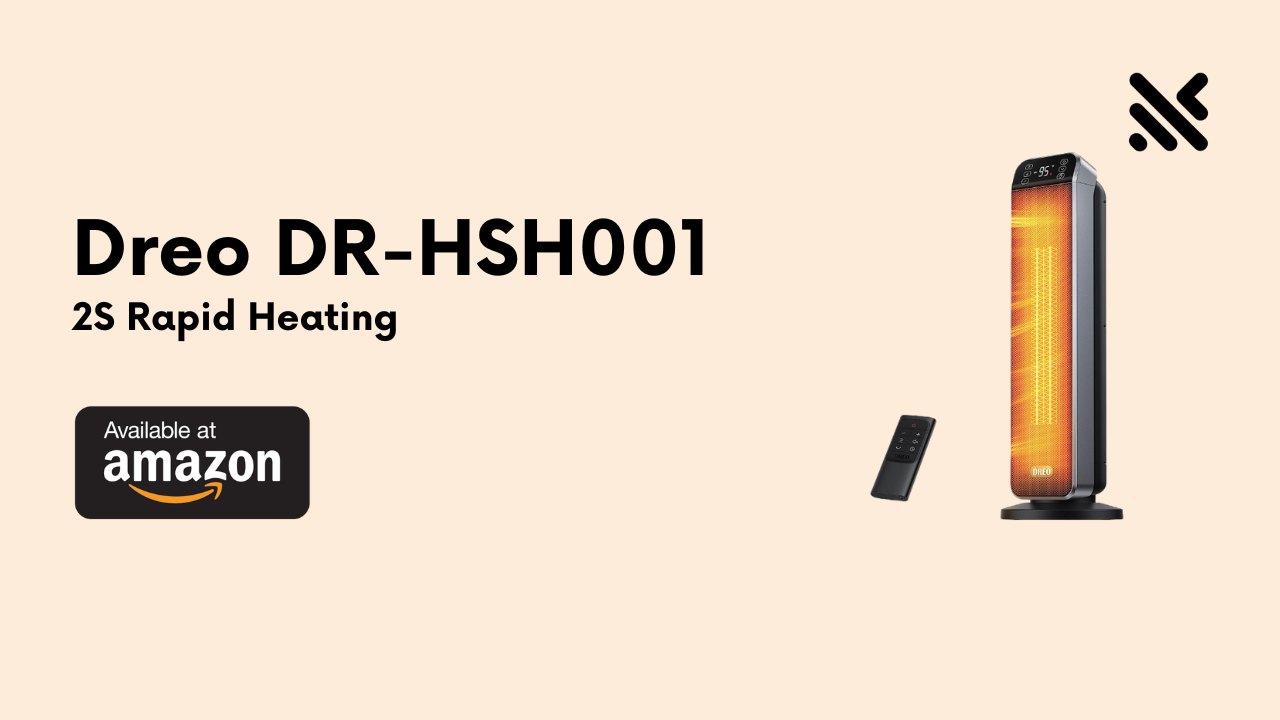
Dreo DR-HSH001
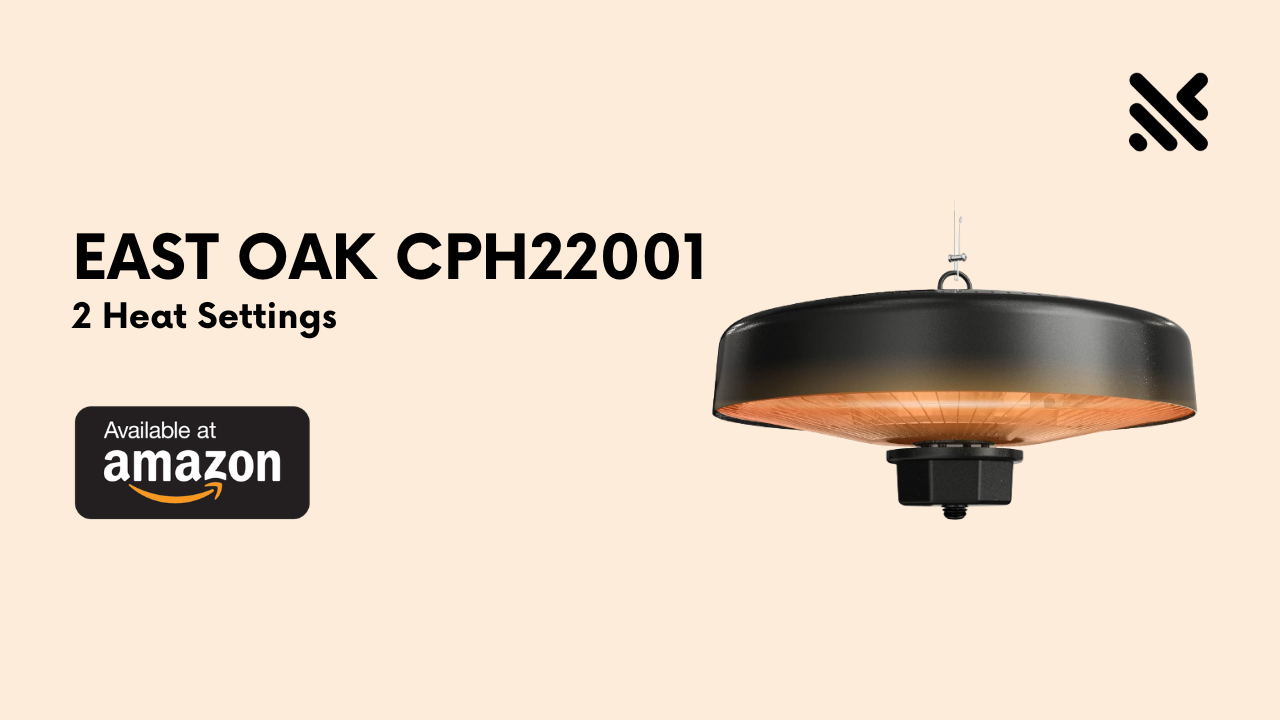
EAST OAK CPH22001
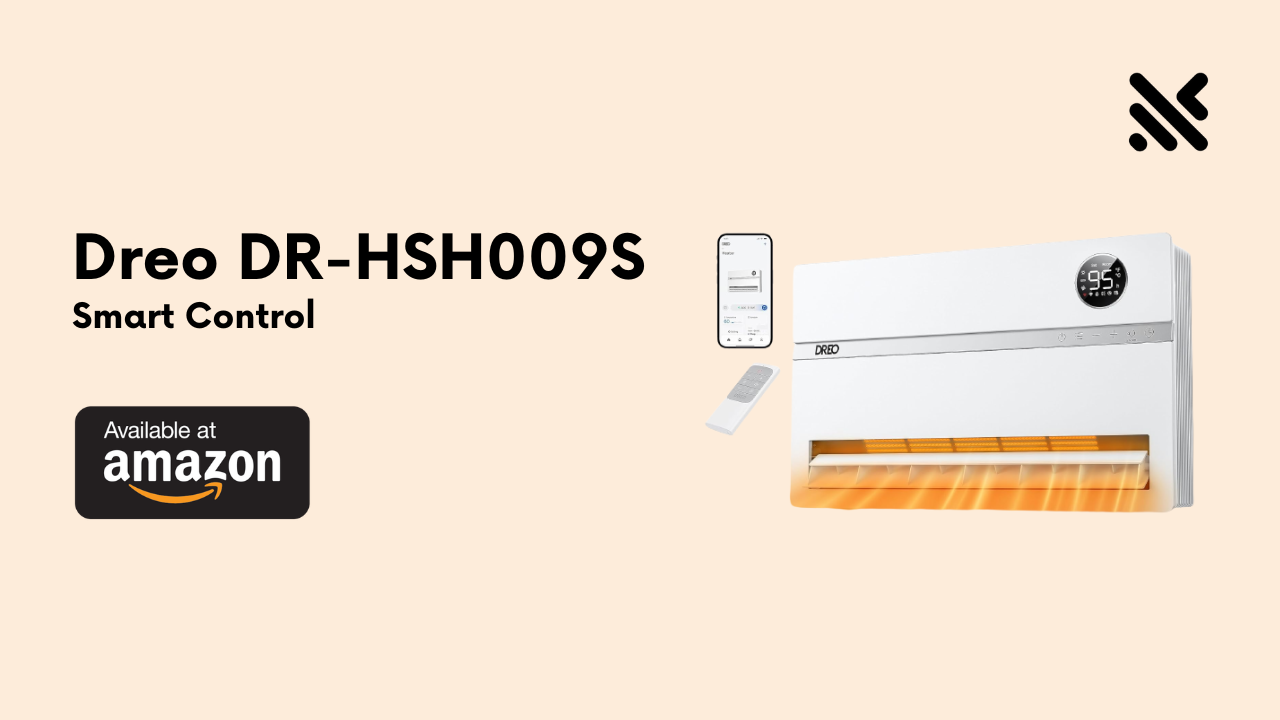
Dreo DR-HSH009S
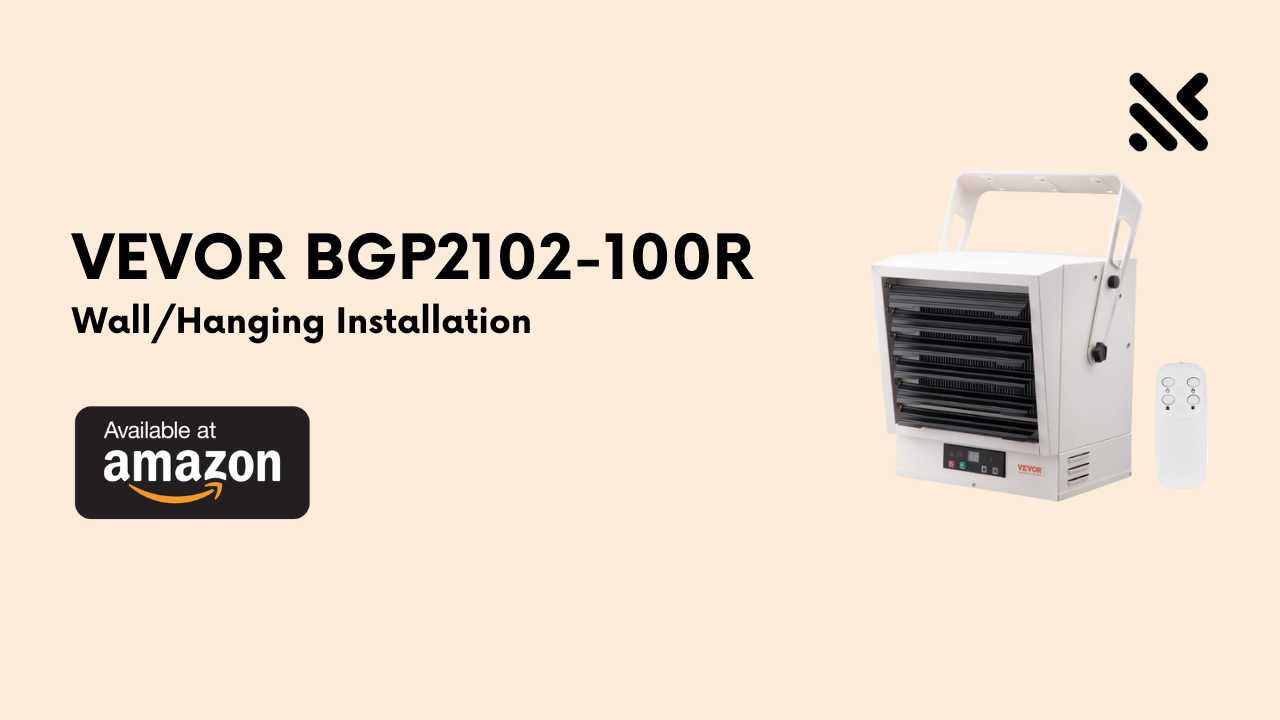
VEVOR BGP2102-100R
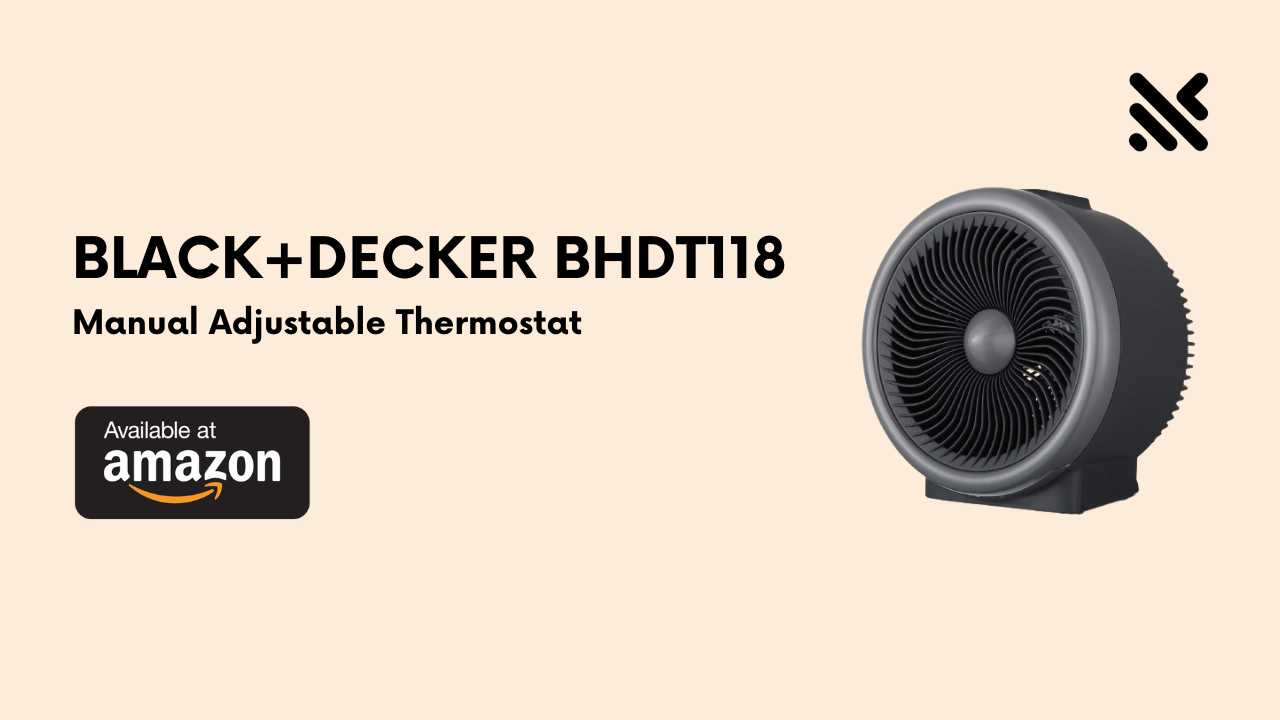
BLACK+DECKER BHDT118
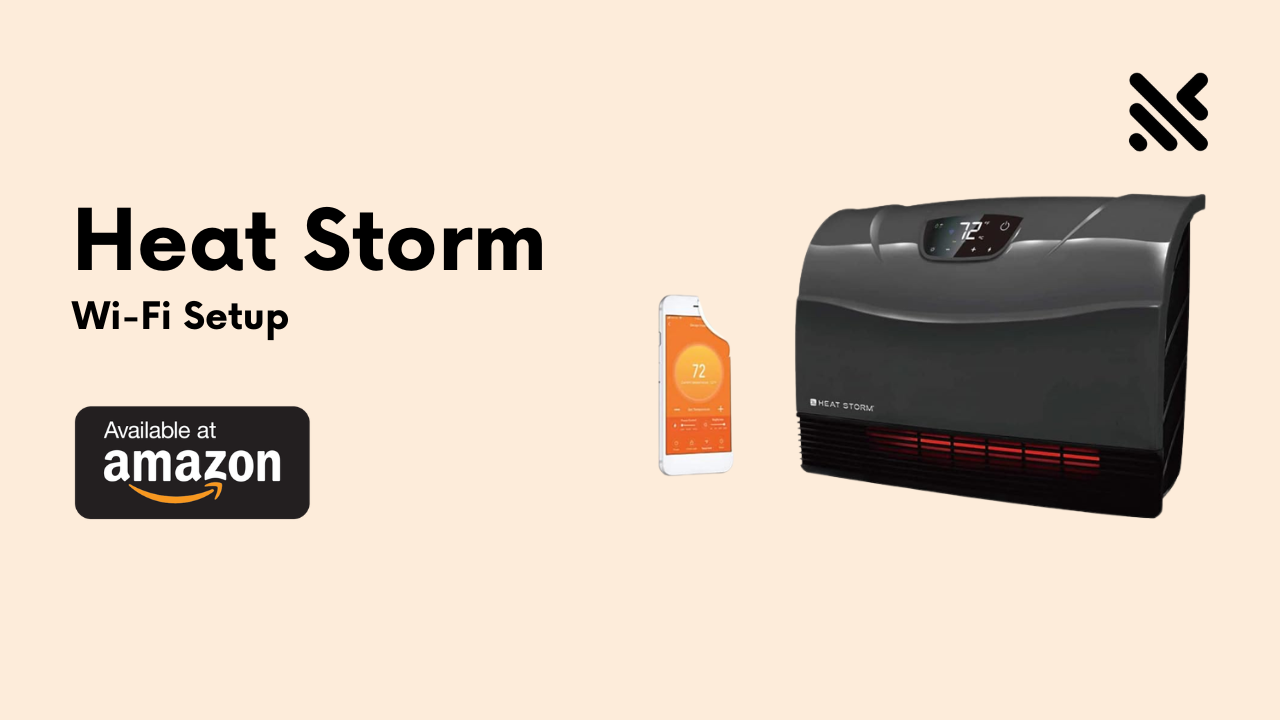
Heat Storm