Introduction
A smart lock is a technologically advanced security device that provides keyless entry to a home, office, or any other space. It replaces the traditional key and lock mechanism with an electronic system. It can be controlled remotely via a smartphone, tablet, or computer.
These locks often incorporate biometric authentication, keypad entry, and wireless connectivity, allowing users to monitor and manage access to their property from anywhere in the world. With the growing trend towards home automation and the Internet of Things (IoT), smart locks have emerged as a popular component of smart home systems, offering convenience, enhanced security, and peace of mind for homeowners and businesses alike.
Smart locks come in various forms and offer a range of functionalities to cater to different user needs and preferences. Some models utilize Bluetooth or WiFi connectivity to enable seamless integration with other smart devices, while others may employ advanced encryption and authentication protocols to ensure robust security.
Many smart locks also support temporary access codes, enabling homeowners to grant temporary entry to guests, service providers, or delivery personnel without needing physical keys. Additionally, some smart locks offer integration with virtual assistants, enabling users to control the lock using voice commands, further enhancing the overall user experience and convenience.
Despite their convenience, ensuring robust security and protection against cyber threats remains a key concern, prompting manufacturers to continuously innovate and implement advanced security measures to safeguard against unauthorized access and potential vulnerabilities.
Top Picks at a Glance
Types Of Smart Lock
Keypad Smart Locks
These smart locks have a built-in keypad that allows users to input a code to unlock the door. They often support multiple user codes, making them suitable for homes, rental properties, and businesses where access needs to be granted to multiple individuals.
Bluetooth-Enabled Smart Locks
These locks utilize Bluetooth technology to communicate with a user’s smartphone, allowing for keyless entry when the phone is close to the lock. They often offer convenient features such as auto-unlock when the user approaches the door and remote access control via a dedicated mobile app.
Wi-Fi-Enabled Smart Locks
These locks connect to the Internet via a WiFi network, enabling users to control and monitor the lock remotely from anywhere with an Internet connection. They often come with additional features like real-time notifications, remote access management, and integration with smart home systems and virtual assistants.
Biometric Smart Locks
These locks use biometric technology, such as fingerprint recognition, to grant access to authorized users. They provide a high level of security by relying on unique biological traits for authentication, making them suitable for individuals seeking a more advanced and secure access control solution.
Key Fob Smart Locks
These locks come with a key fob that allows users to unlock the door with a simple button push. They are convenient for individuals who prefer a physical device for easy and quick access without relying on smartphones or key codes.
Hybrid Smart Locks
These locks combine various access methods, such as keypad entry, Bluetooth connectivity, and traditional key access, providing users with multiple options for unlocking the door. They offer versatility and convenience, catering to users with different preferences and needs for accessing their property.
Smart Lock Conversion Kits
These kits can convert existing traditional locks into smart locks, providing an affordable option for individuals looking to upgrade their security system without replacing their entire door hardware. They often offer easy installation and compatibility with various door types, making them a convenient choice for retrofitting doors with smart lock capabilities.
7 Best Smart Locks
Smart locks offer many features and benefits, including keyless entry, remote access control via smartphone apps, and providing temporary access codes to guests or service providers. They enhance security through advanced encryption and authentication protocols, along with real-time notifications that keep users informed about any potential security breaches.
Smart locks also integrate seamlessly with smart home systems and virtual assistants, enabling voice commands for hands-free operation. Their convenience extends to auto-locking features. It ensures doors are always secured and the ability to monitor access history. It provides valuable insights into who has entered or left the premises. Additionally, some smart locks offer easy installation, compatibility with various door types, and long-lasting battery life, making them an ideal and practical solution for modern homes and businesses seeking to upgrade their security systems.
Buying Guide For Smart Lock
Understand Your Needs
Before diving into the plethora of options available, consider your specific requirements. Determine whether you need a smart lock for your home, office, or rental property. Assess security concerns, ease of use, integration with other smart home devices, and whether you prefer a specific access method (e.g., keypad, fingerprint, or smartphone app).
Consider Compatibility
Check the compatibility of the smart lock with your existing door. Measure the dimensions and type of your door to ensure the smart lock you choose will fit. Additionally, verify whether the smart lock is compatible with your smartphone’s operating system, as some models might work better with iOS or Android devices.
Evaluate Security Features
Prioritize security features such as encryption protocols, tamper alarms, and anti-pick shields. Look for models with advanced security certifications to ensure your smart lock can withstand potential hacking attempts. Consider additional features like auto-locking, which automatically secures the door after a set period, adding an extra layer of security.
Review Connectivity Options
Assess the connectivity options provided by the smart lock. Some models offer WiFi or Bluetooth connectivity, allowing you to control the lock remotely through a mobile app. Others may integrate with smart home systems or virtual assistants, enabling voice commands for added convenience. Choose a smart lock that aligns with your connectivity preferences and requirements.
Check Battery Life and Backup Options
Examine the battery life of the smart lock and investigate whether it comes with a backup power option in case the batteries run out. Some models offer low-battery indicators and emergency power supply options. It ensures you won’t be locked out in the event of a power failure or drained batteries.
Read User Reviews and Expert Recommendations
Before making a purchase, read user reviews and seek expert recommendations to gain insights into the performance, durability, and user experience of the smart lock. Look for feedback on installation processes, customer support, and overall satisfaction levels to make an informed decision.
Set a Realistic Budget
Establish a realistic budget based on your requirements and the features you prioritize. While various options are available at different price points, it’s essential to invest in a smart lock that aligns with your security needs and long-term usage expectations, ensuring a reliable and durable solution for your home or property.
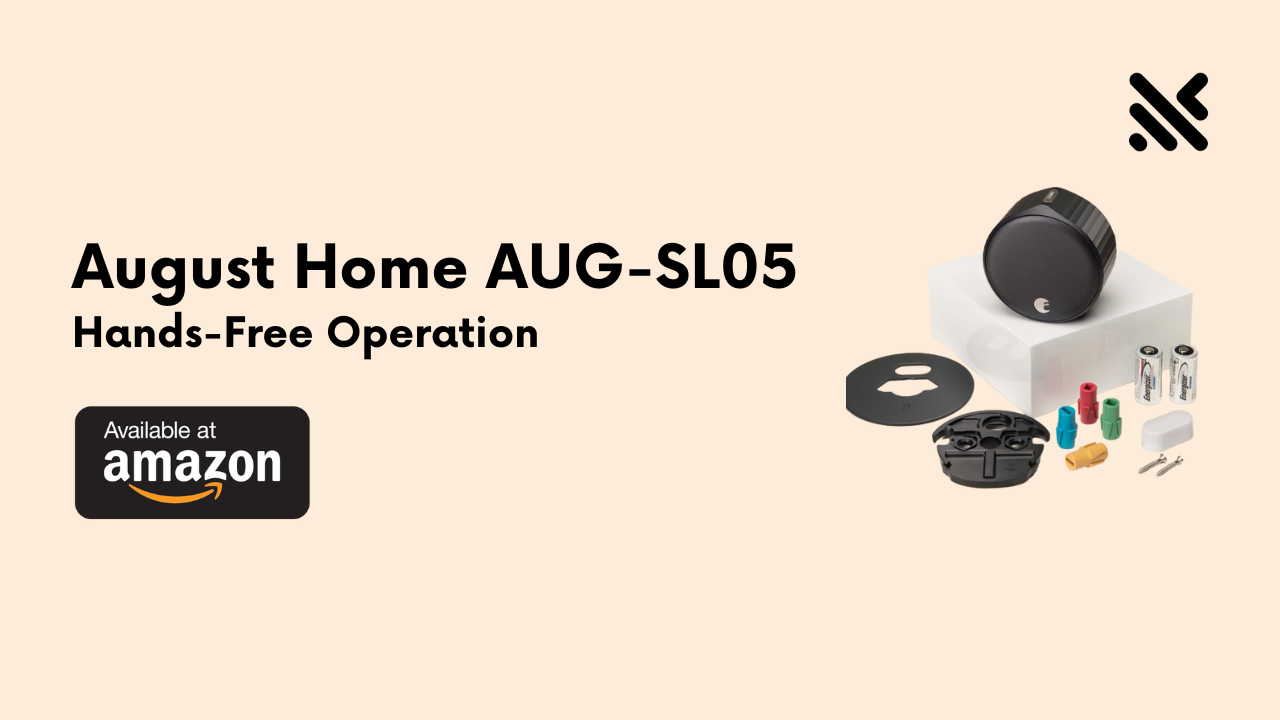
August Home AUG-SL05-M01-G01
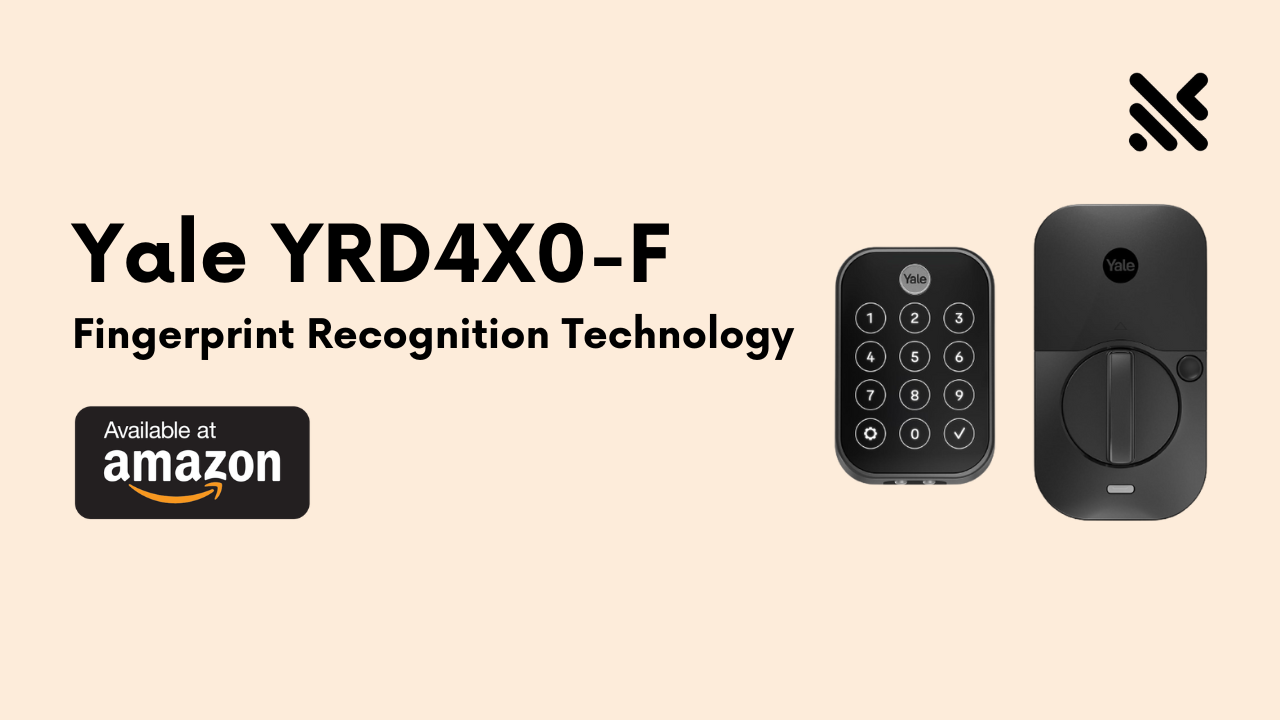
Yale YRD4X0-F
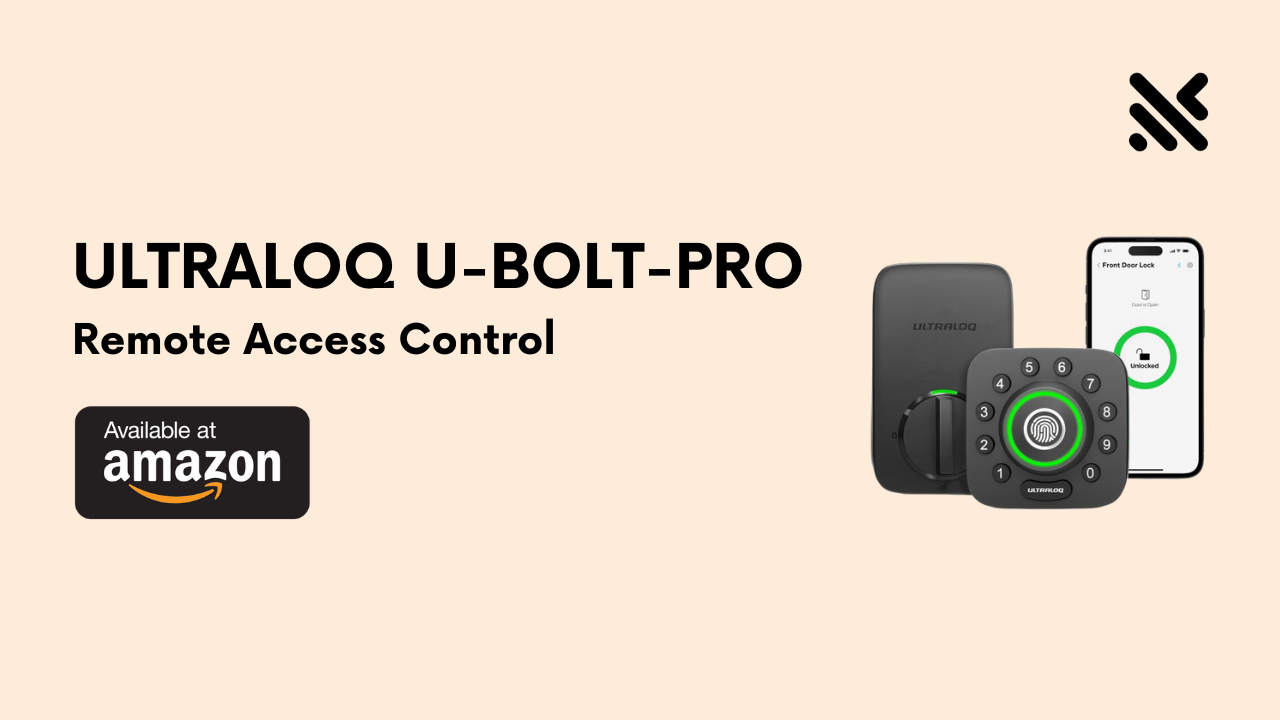
ULTRALOQ U-BOLT-PRO-WiFi
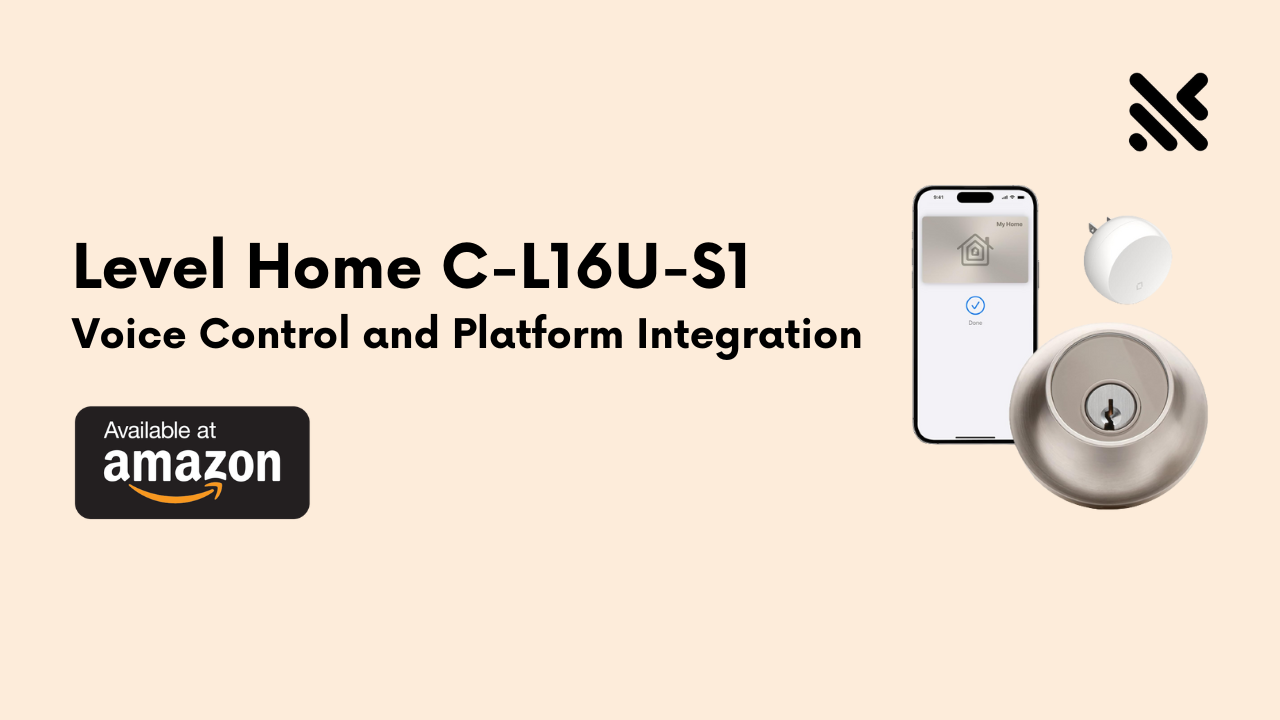
Level Home C-L16U-S1
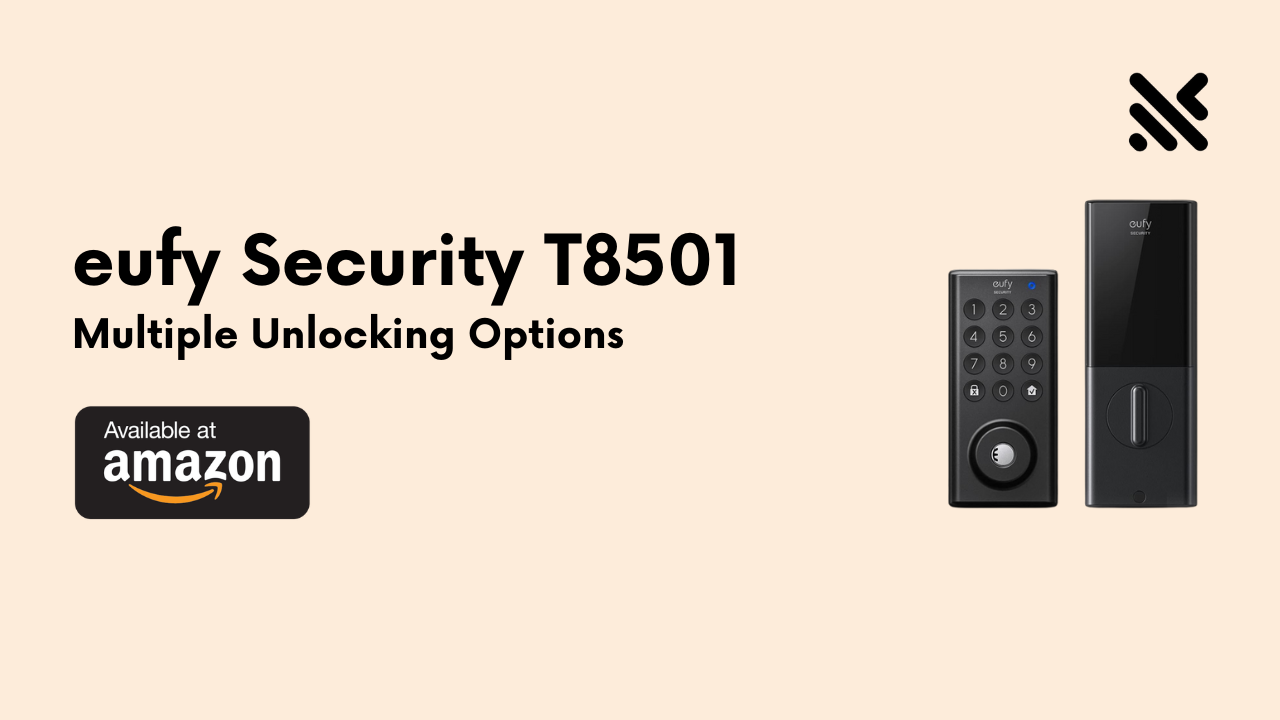
eufy Security T8501
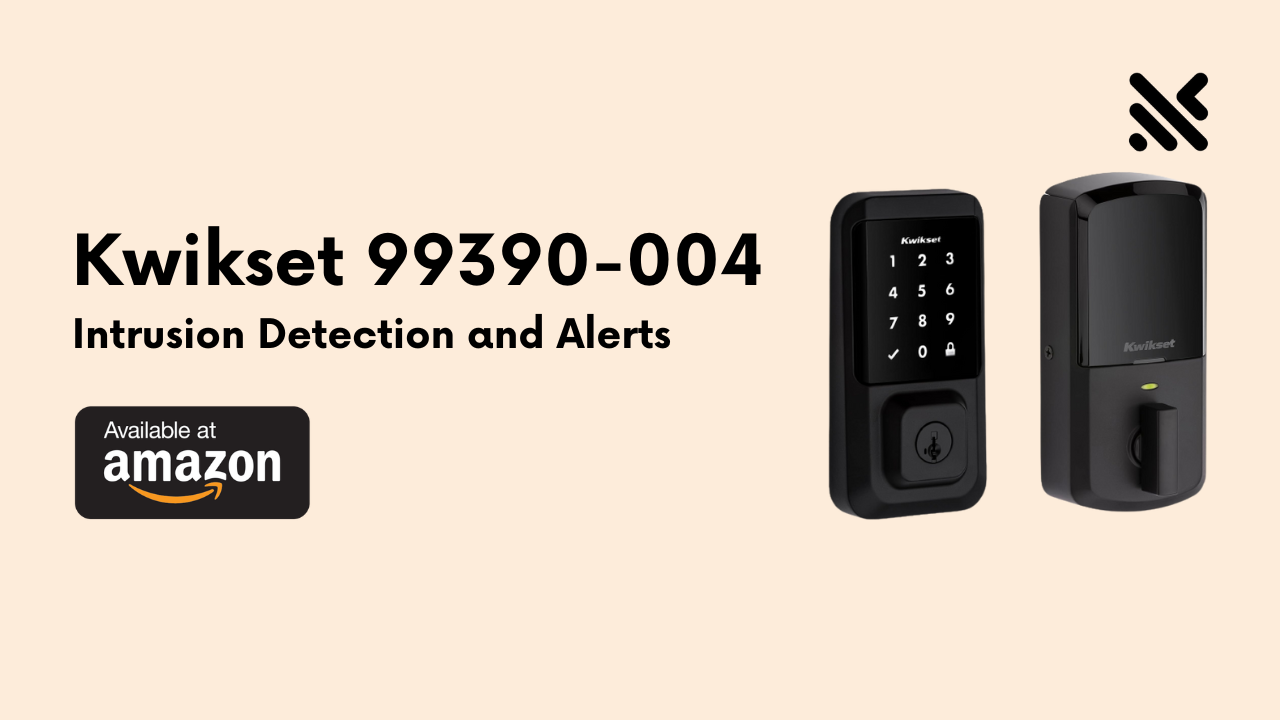
Kwikset 99390-004