Expert Tested • 2023

Best Thermostat to Control the Temperature Changes

A thermostat is a crucial component in heating, ventilation, and air conditioning (HVAC) systems that control the temperature.

Max Collins
By Max CollinsUpdated Sep 2025 29 min read
Best Thermostat to Control the Temperature Changes
2023 TOP RATED

WhoAdvice is reader-supported. We may earn a commission when you buy through our links.

Introduction

A thermostat is a crucial component in heating, ventilation, and air conditioning (HVAC) systems, serving as a regulatory device that controls the temperature within a designated space. Essentially, it acts as a switch that responds to changes in temperature, ensuring that the environment remains at a desired and comfortable level.

The primary function of a thermostat is to maintain a set temperature by activating or deactivating the heating or cooling systems as needed. This enhances comfort and contributes to energy efficiency by preventing unnecessary heating or cooling when it is not required. Thermostats come in various types and designs, from simple manual models to more advanced programmable and smart thermostats.

Manual thermostats allow users to manually adjust the temperature setting, while programmable thermostats enable users to schedule temperature changes throughout the day, optimizing energy usage based on daily routines. In contrast, smart thermostats utilize modern technology to provide remote control and automation features, enabling users to manage and monitor their HVAC systems from smartphones or other connected devices. This evolution in thermostat technology reflects a broader trend toward energy conservation and the integration of smart solutions into everyday household functions.

A thermostat is pivotal in maintaining a comfortable indoor environment while promoting energy efficiency. Its ability to regulate temperature through manual adjustments, programmed schedules, or smart functionalities makes it a key element in modern HVAC systems. As technology advances, thermostats are evolving to meet the growing demand for intuitive and energy-conscious solutions in climate control.

Top Picks at a Glance

Types of Thermostat

Manual Thermostat

These are the most basic types of thermostats. They allow users to manually adjust the temperature by turning a dial or pressing buttons. While simple, they do not offer the scheduling or automation features of more advanced models.

Programmable Thermostat

Programmable thermostats allow users to set temperature schedules according to specific times of the day or week. This allows for automatic adjustments, optimizing energy use when the space is unoccupied or when a different temperature is desired.

Digital Thermostat

Digital thermostats replace traditional analog dials with digital displays. They often provide more precise temperature control and may include features like backlighting for easier readability.

Smart Thermostat

Smart thermostats take temperature control to the next level by incorporating advanced technology and connectivity. They often feature WiFi capabilities, allowing users to control the thermostat remotely through a smartphone app. Smart thermostats may also have learning algorithms that adapt to user preferences and provide energy usage reports.

Touchscreen Thermostat

Touchscreen thermostats feature an interface similar to that of smartphones or tablets, making them easy to navigate. They often come with additional features such as programmability, WiFi connectivity, and energy usage tracking.

Mechanical Thermostat

Mechanical thermostats utilize physical components, such as bimetallic strips, to control temperature. While less common today due to the prevalence of digital technology, they are still found in some older HVAC systems.

Hydronic Thermostat

Hydronic thermostats are specifically designed for radiant heating systems. They control the flow of hot water through the radiant system to maintain a consistent and comfortable temperature.

Line Voltage Thermostat

Line voltage thermostats, such as baseboard heaters, are used in systems that operate on direct electrical resistance. They directly control the electrical power to the heating device.

Low Voltage Thermostat

Low-voltage thermostats are commonly used in central heating and cooling systems. They operate on a lower voltage supplied by a transformer, allowing for more precise control.

Dual-Fuel Thermostat

Dual-fuel thermostats are designed for homes with a primary heating system (like a heat pump) and a secondary heating system (like a gas furnace). They can switch between the two based on outdoor temperatures to optimize efficiency.

7 Best Thermostat

Thermostats offer essential features that contribute to home comfort and energy efficiency. With programmable capabilities, users can set temperature schedules to ensure optimal conditions during occupancy and achieve energy savings when spaces are unattended. Smart thermostats take this further, allowing remote control and integration with other smart devices.

Additionally, advanced models often include learning algorithms that adapt to user preferences over time. Energy usage reports provided by certain thermostats offer insights into consumption patterns, aiding in long-term efficiency improvements. Overall, the features of thermostats, from basic manual control to sophisticated smart functionalities, empower users to maintain personalized comfort while promoting sustainable and cost-effective heating and cooling practices.

Buying Guide for Thermostat

Compatibility with Your HVAC System

Before purchasing a thermostat, ensure it is compatible with your HVAC system. Different systems, such as central heating and cooling, heat pumps, or radiant heating, may require specific types of thermostats.

Type of Thermostat

Manual Thermostats: Simple and cost-effective, these allow manual temperature adjustments.
Programmable Thermostats: Enable you to set temperature schedules for different times, optimizing energy use.
Smart Thermostats: Offer advanced features, remote control, and learning capabilities. They can adapt to your preferences and often integrate with smart home systems.

Power Source

Consider whether the thermostat is powered by batteries, hardwired, or a combination. Battery-powered thermostats are more flexible in placement, while hardwired ones ensure continuous power.

User Interface and Controls

Choose a thermostat with an intuitive interface. Some have touchscreen displays, while others use buttons or dials. Consider whether you prefer a simple interface or more advanced features.

Programming Options

For programmable thermostats, evaluate the flexibility of Scheduling. Some models allow for different settings on weekdays and weekends, while others provide daily programming options.

WiFi Connectivity

Smart thermostats often have WiFi connectivity, allowing you to control them remotely through a mobile app. Check for Compatibility with your smartphone and other smart home devices.

Energy Usage Reports

Some smart thermostats offer energy usage reports, enabling you to track and optimize your energy consumption. This feature can contribute to long-term cost savings.

Compatibility with Home Automation Systems

If you have a home automation system, ensure the thermostat is compatible. This allows for seamless integration with other smart devices in your home.

Installation Process

Consider the complexity of installation. Some thermostats are designed for easy DIY installation, while others may require professional help. Always follow the manufacturer’s guidelines.

Brand Reputation and Reviews

Research thermostat brands and read customer reviews to gauge reliability and performance. Established brands often provide better customer support and updates for their products.

Budget Considerations

Set a budget for your thermostat purchase. While basic models are affordable, smart thermostats with advanced features may have a higher upfront cost but can lead to long-term energy savings.
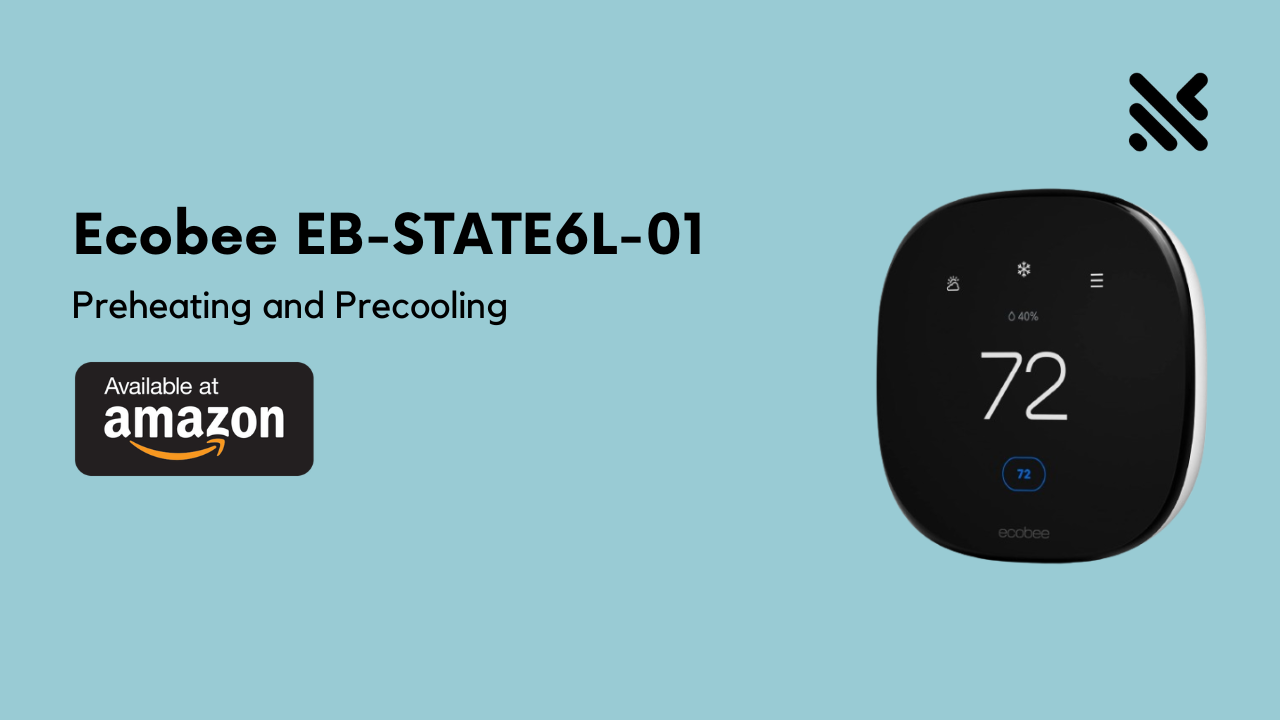
1Ecobee EB-STATE6L-01
Preheating and Precooling

Ecobee EB-STATE6L-01

Why we love it

  • Certified by ENERGY STAR, it can save up to 26% per year on heating and cooling costs, contributing to long-term energy efficiency and reduced utility bills.

  • Compatible with major smart home platforms, including Apple HomeKit, Google Assistant, Amazon Alexa, SmartThings, and IFTTT, allowing seamless integration into existing smart home ecosystems.

  • Features preheating and precooling functions, ensuring a comfortable indoor temperature upon arrival and automatic adjustments based on user preferences when at home or sleeping.

Points to consider

  • While the thermostat may provide long-term energy savings, the initial upfront cost can be higher than basic or non-smart thermostat options.

  • While compatible with most 24VAC HVAC systems, users with older or less common systems may need to verify Compatibility before purchasing.

Check Price at Amazon
Updated: Nov 2023
2Google GA02081-CA
C-Wire Compatibility

Google GA02081-CA

Why we love it

  • ENERGY STAR certified, promoting energy efficiency and potential cost savings on heating and cooling bills.

  • Seamless integration with popular smart home platforms, including Google Assistant, Amazon Alexa, and Nest, enhances overall functionality.

  • Remote control capabilities through the Google Home app allow users to adjust settings from anywhere. Mobile notifications provide updates on the thermostat’s status.

  • Proven energy-saving features, such as automatically adjusting the temperature when occupants are away, contribute to energy efficiency and environmental sustainability.

  • HVAC monitoring capability alerts users to potential issues with heating and cooling systems while facilitating timely maintenance and ensuring system reliability.

Points to consider

  • While designed to work without a C wire in most homes, certain systems (heating only, cooling, zone-controlled, and heat pump systems) may require a C wire or compatible power accessory, adding complexity to the installation.

  • Although compatible with 85% of heating and cooling systems, users with less common or older systems may need to verify Compatibility before purchasing.

  • While the thermostat offers learning features and Auto-Schedule, some users may find them less advanced than certain competing models.

  • While aesthetically pleasing, the frosted display may not provide the same level of visibility as high-resolution displays in some lighting conditions.

Check Price at Amazon
Updated: Nov 2023
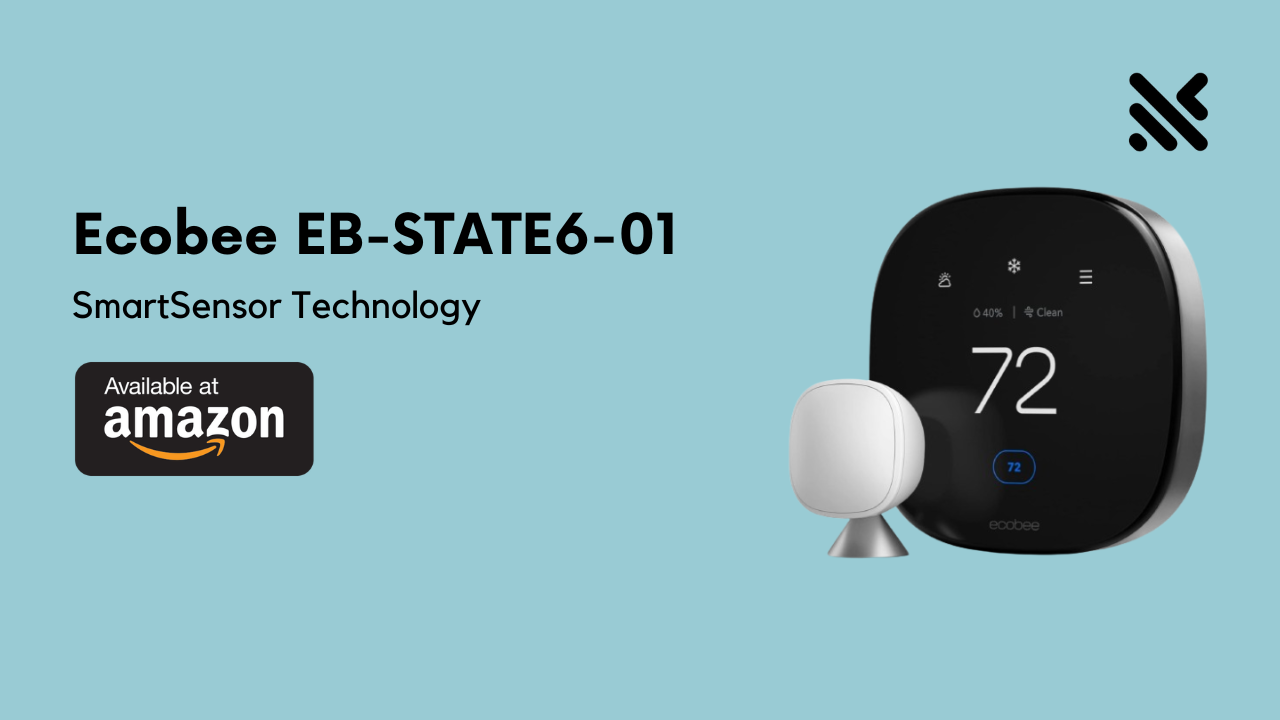
3Ecobee ‎EB-STATE6-01
Smart Sensor Technology

Ecobee ‎EB-STATE6-01

Why we love it

  • ENERGY STAR certified, offering advanced energy efficiency and potential cost savings on heating and cooling bills.

  • SmartSensor eliminates hot and cold spots while adjusting the temperature in specific rooms for personalized comfort throughout the home.

  • Monitors air quality, alerts users to poor air quality, provides guidance on improvements, and reminds them when it’s time to change the furnace’s air filter, contributing to a healthier indoor environment.

  • Serves as a complete home monitoring hub with built-in smoke alarm detection, break-in alerts when the system is armed, and notifications during sudden temperature drops, enhancing home security and protection.

  • Premium materials and engineering result in a large, vibrant display with a cinematic interface while enhancing the thermostat’s aesthetic appeal.

Points to consider

  • The advanced features, including home monitoring capabilities, may be more complex than some users need or prefer in a thermostat.

  • Certain features, such as break-in alerts and smoke alarm detection, may require a subscription to the Ecobee Smart Security plan, incurring additional costs.

  • While compatible with most 24VAC HVAC systems, users with older or less common systems may need to verify Compatibility before purchasing.

  • While the thermostat includes occupancy sensing technology, some users might find the learning features less advanced than those of certain competing models.

Check Price at Amazon
Updated: Nov 2023
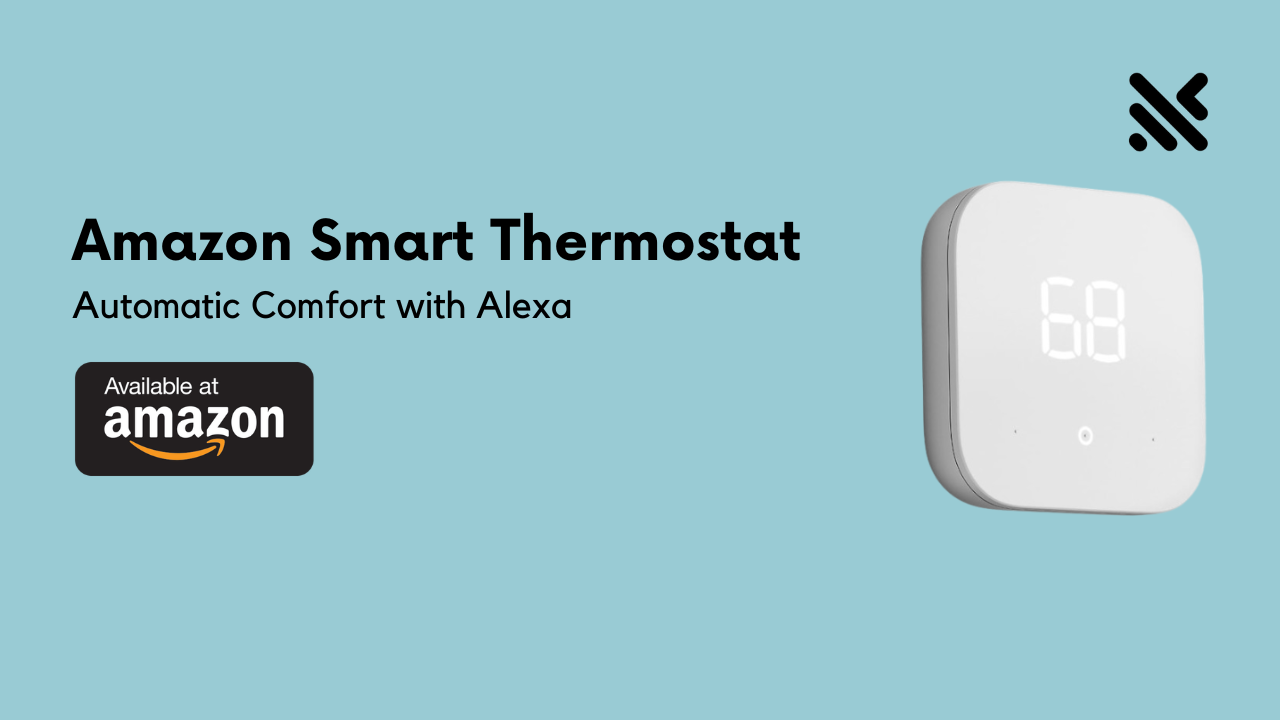
4Amazon Smart Thermostat
Automatic Comfort with Alexa

Amazon Smart Thermostat

Why we love it

  • Amazon provides information about potential rebates from energy providers while contributing to cost savings for users.

  • The Alexa app guides users through the installation process, and customer service is available for assistance if needed, making it accessible for users with varying technical expertise.

  • Built with Honeywell Home Thermostat Technology, it provides reliability backed by over 130 years of HVAC experience.

  • Designed for non-experts, ensuring a stress-free and easy setup process. Automatic software updates contribute to a hassle-free experience.

  • Designed with sustainability in mind, incorporating features such as low power mode, renewable energy prioritization, and the use of recycled materials.

Points to consider

  • Requires a C-wire or a power adapter kit for installation, which may not be present in all homes. Compatibility checking is recommended before purchase.

  • Relies on WiFi connectivity for remote control and smart home integration. In case of WiFi issues, users may experience limitations in functionality.

  • While the product mentions automatic adjustments by Alexa, detailed learning features and adaptability over time are not explicitly highlighted.

  • Certain features, such as break-in alerts and smoke alarm detection, may require a subscription to the Ecobee Smart Security plan, incurring additional costs.

Check Price at Amazon
Updated: Nov 2023
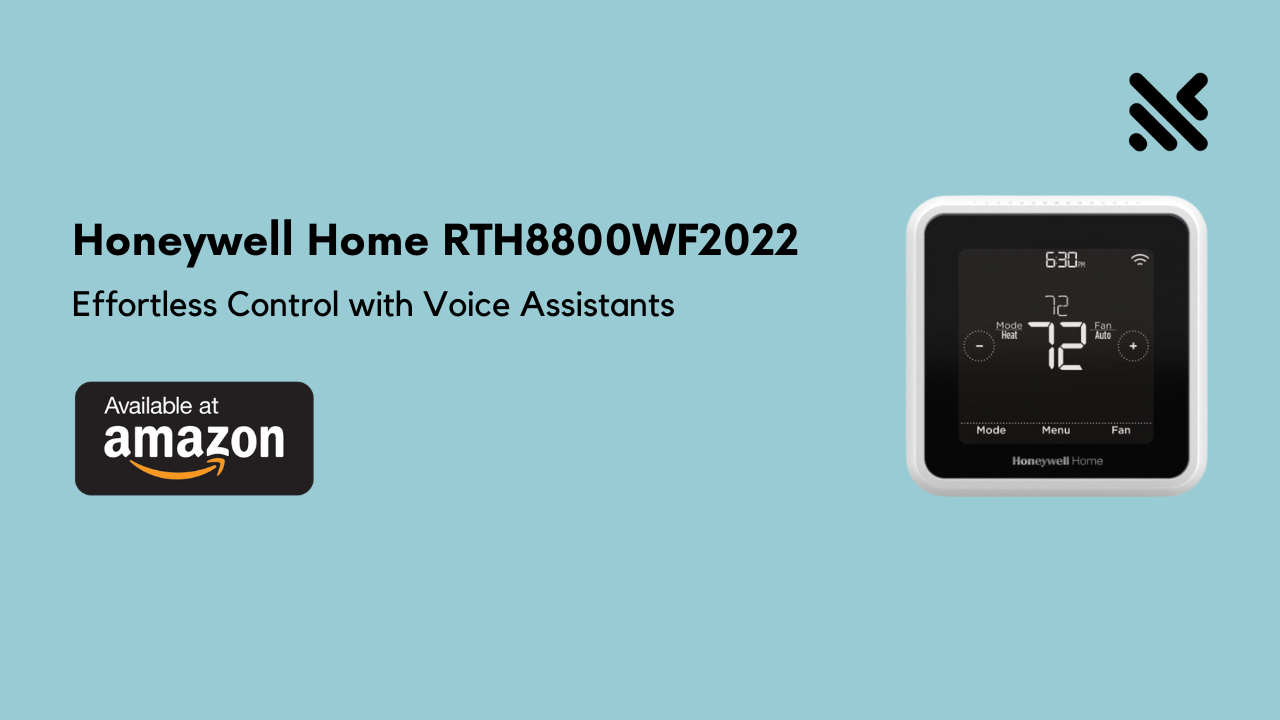
5Honeywell Home RTH8800WF2022
Effortless Control with Voice Assistants

Honeywell Home RTH8800WF2022

Why we love it

  • High use of the scheduling feature resulted in substantial energy savings while providing cost benefits for users.

  • Effortless control with Compatibility with popular voice assistants, including Amazon Alexa, Google Assistant, and Apple HomeKit.

  • Potential for energy savings rebates adds a financial incentive, making the thermostat a cost-effective choice.

  • Wide Compatibility with most heating, cooling, and heat pump systems increases versatility for different households.

  • The thermostat’s easy installation enhances user convenience while making it accessible to many users.

Points to consider

  • The thermostat requires a C-wire power adapter, which may not be in all homes. Compatibility checking is crucial before purchase.

  • While the product mentions adaptive temperature control, detailed learning features and adaptability over time are not explicitly highlighted.

  • The information does not specify the type of display used, such as touchscreen or traditional.

Check Price at Amazon
Updated: Nov 2023
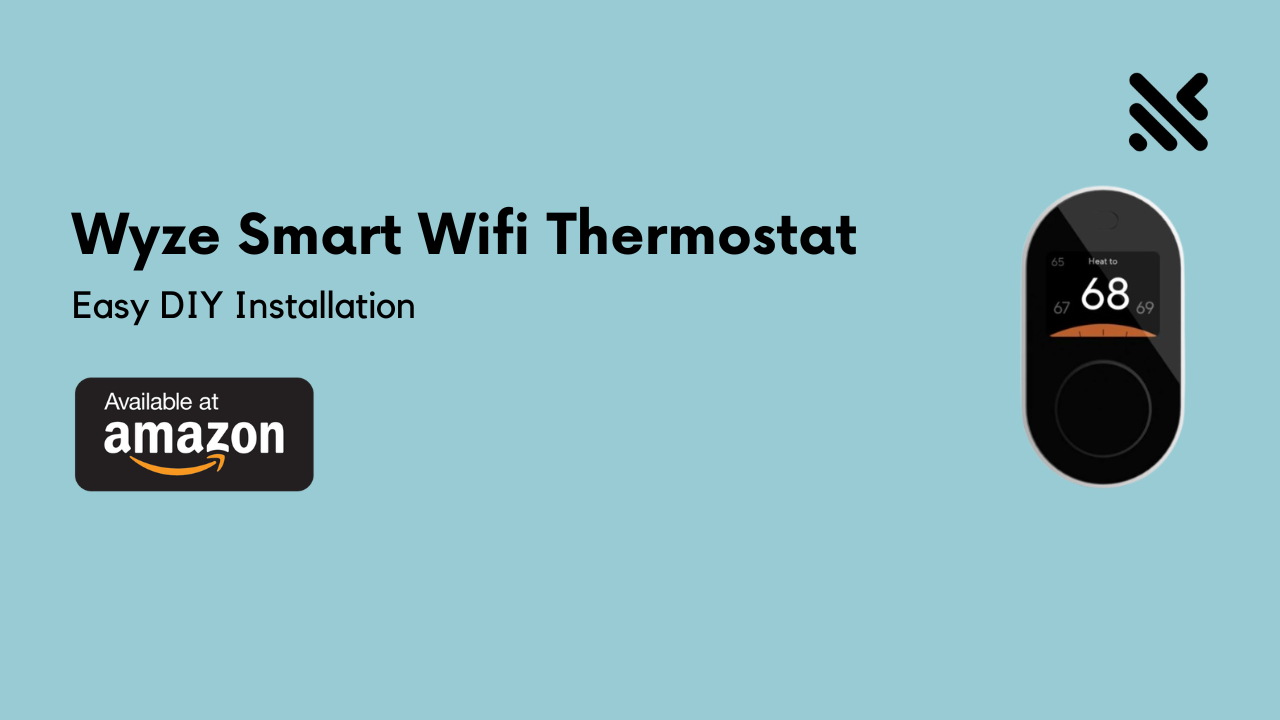
6Wyze ‎Smart Wifi Thermostat
Easy DIY Installation

Wyze ‎Smart Wifi Thermostat

Why we love it

  • Integration with popular voice assistants like Alexa and Google Assistant allows for hands-free control and adds to the overall user experience.

  • The app’s feature for tracking usage and providing insights helps users make informed decisions to optimize energy efficiency and reduce costs.

  • The built-in motion sensor saves energy by automatically adjusting the thermostat based on motion detection and phone location.

  • Voice control compatibility with Alexa and Google Assistant adds a layer of convenience, especially for users who prefer hands-free interactions.

  • The note about global compatibility issues ensures transparency, guiding users to check compatibility before purchasing.

Points to consider

  • The information provided does not specify the type of display used (e.g., touchscreen), potentially leaving users uncertain about the interface.

  • Like many smart thermostats, the Wyze thermostat relies on WiFi for remote control and smart features. This dependence may limit functionality during WiFi outages.

  • While the thermostat mentions usage tracking and insights, detailed information on learning features and the thermostat’s ability to adapt over time is not explicitly highlighted.

Check Price at Amazon
Updated: Nov 2023
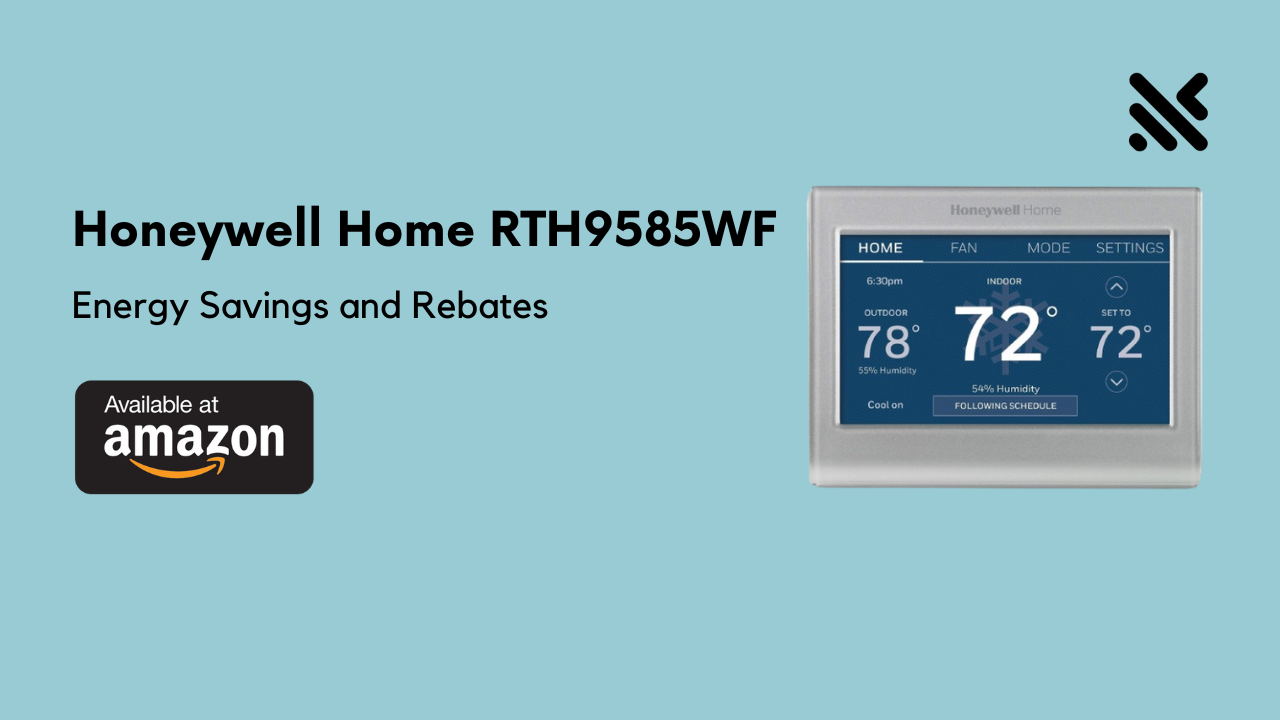
7Honeywell Home RTH9585WF
Energy Savings and Rebates

Honeywell Home RTH9585WF

Why we love it

  • Allows users to personalize the thermostat to match their home décor, adding a touch of customization.

  • Provides the potential for energy savings and offers the opportunity to receive rebates through partnerships with energy providers.

  • Offers flexible programming options, allowing users to tailor the thermostat to their schedule and preferences.

  • The bright and easy-to-read touchscreen ensures straightforward operation with an intuitive interface for convenience.

  • The app provides additional control, enhancing the overall user experience.

Points to consider

  • Requires a C-wire for installation, which may require additional wiring in homes lacking a C-wire.

  • It is unsuitable for electric baseboard heating systems (120-240V), limiting compatibility.

  • Designed for use in the US, and users in international locations may require adapters or converters.

Check Price at Amazon
Updated: Nov 2023

Frequently Asked Questions

What is a thermostat?

A thermostat is a device that regulates the temperature of a space by controlling the operation of heating, ventilation, or air conditioning (HVAC) systems. It works by sensing the current temperature and activating or deactivating the HVAC system to maintain a desired set temperature.

How does a thermostat work?

Thermostats typically consist of a temperature sensor, a control unit, and a switch. The temperature sensor monitors the current temperature, and when it deviates from the set temperature, the control unit triggers the switch to turn the HVAC system on or off accordingly.

What are the different types of thermostats?

Thermostats come in various types, including manual thermostats, programmable thermostats, digital thermostats, smart thermostats, touchscreen thermostats, mechanical thermostats, hydronic thermostats, line voltage thermostats, low voltage thermostats, and dual-fuel thermostats. Each type serves different purposes and offers unique features.

What is the difference between a manual and a programmable thermostat?

A manual thermostat requires users to adjust the temperature settings manually, while a programmable thermostat allows users to set temperature schedules for different times of the day or week. Programmable thermostats offer the advantage of automatic temperature adjustments, promoting energy efficiency.

What are the benefits of using a smart thermostat?

Smart thermostats provide remote control capabilities through smartphone apps, learning algorithms that adapt to user preferences, and integration with other smart home devices. They often offer energy usage reports, contributing to long-term energy savings and increased convenience.

How do I choose the right thermostat for my HVAC system?

Consider the type of HVAC system you have, such as central heating and cooling, heat pumps, or radiant heating. Ensure Compatibility between the thermostat and your system, and factor in preferences for manual control, programmability, or smart features. Also, check for installation requirements and budget considerations.

Can I install a thermostat myself?

The complexity of installation depends on the type of thermostat. Manual thermostats are often suitable for DIY installation, while some programmable and smart thermostats may require professional help. Always follow the manufacturer’s guidelines and consult an expert if needed.

How can a thermostat contribute to energy savings?

Thermostats, especially programmable and smart models, can optimize energy use by adjusting temperatures based on occupancy patterns. This prevents unnecessary heating or cooling when the space is unoccupied, reducing energy consumption and lowering utility bills.

Do thermostats require maintenance?

Thermostats generally require minimal maintenance. Periodically check and replace batteries in battery-powered models. Ensure the thermostat is clean and free from dust or debris that could affect its accuracy. Regularly update the software for smart thermostats to access the latest features and improvements.

What should I do if my thermostat is not working correctly?

Troubleshoot by checking the power source, ensuring proper installation, and reviewing the thermostat settings. If issues persist, consult the user manual or contact the manufacturer’s customer support for guidance. Professional assistance may sometimes be necessary to diagnose and resolve problems.

Get the best buying guides before you shop

Get the best buying guides before you shop

We respect your inbox. Unsubscribe at any time.