Introduction
In the fast-paced rhythm of modern life, a reliable water heater is a silent sentinel, ensuring our daily routines flow seamlessly. Water heaters enter our lives, transforming our homes into homes of warmth and comfort. Whether it's a tankless model that swiftly heats water on demand or a traditional tank-style heater, these appliances have become indispensable.
But the tale of the water heater extends beyond mere functionality. It's a story of innovation, with advancements in technology continuously enhancing efficiency and energy conservation. From gas-powered heaters to electric marvels, these devices cater to diverse preferences, ensuring a perfect fit for every household.
In this exploration of the water heater realm, we'll dive into the various types, unravel the science behind their operation, and shed light on the factors to consider when choosing the ideal companion for your daily dose of warmth. So, let's embark on a journey to understand and appreciate the unsung luxury of the water heater.
Top Picks at a Glance
Types of Water Heater
Tankless Water Heaters
Picture a device that heats water instantly as it flows through without needing a storage tank. That’s the beauty of tankless water heaters. Also known as on-demand water heaters, these units are energy-efficient and provide hot water only when needed. They’re compact, space-saving, and perfect for households with varying hot water demands.
Traditional Tank-Style Water Heaters
The workhorse of water heaters, these units store and constantly heat a reserve of water in a tank. When a faucet is turned on, hot water is readily available. While they have a finite capacity, they are reliable and straightforward. Available in various sizes, they suit homes with consistent hot water needs.
Hybrid Water Heaters
Hybrid water heaters combine the best of both worlds by integrating conventional tank storage with a heat pump. This hybrid design enhances energy efficiency by extracting heat from the air and using it to heat the water. It is ideal for those looking to save on energy costs while maintaining the convenience of a storage tank.
Solar Water Heaters
Harnessing the sun’s power, solar water heaters are eco-friendly options that use solar collectors to absorb sunlight and convert it into heat. This heat is transferred to the water, reducing reliance on conventional energy sources. While the initial installation cost may be higher, the long-term savings and environmental benefits make it a compelling choice.
Condensing Water Heaters
Often fueled by gas, condensing water heaters utilize a secondary heat exchanger to extract additional heat from combustion gases, increasing overall efficiency. These units are particularly suitable for homes with high hot water demand and offer energy savings compared to traditional models.
Heat Pump Water Heaters
Operating on electricity, heat pump water heaters move heat from the air or ground to heat the water. They are highly energy-efficient, making them an excellent choice for moderate climates. However, they work best in spaces with ample air circulation.
Point-of-Use Water Heaters
Point-of-use water heaters directly deliver on-demand warmth where localized hot water is needed. Commonly installed under sinks or near appliances, they eliminate the need for hot water to travel through pipes, reducing energy loss and ensuring quick access to hot water.
7 Best Water Heater
A water heater is an indispensable appliance that seamlessly integrates into the fabric of our daily lives, providing many features and benefits. From instant access to hot water with tankless models to the consistent supply offered by traditional tank-style heaters, these devices cater to diverse preferences.
Energy efficiency is a hallmark, with options like hybrid and solar heaters minimizing environmental impact and lowering utility costs. The versatility of fuel types, including electric, gas, and heat pumps, ensures compatibility with different home setups.
Additionally, innovations like condensing technology further enhance efficiency. With compact designs and point-of-use options, water heaters optimize space utilization, catering to large households and those with limited room. Beyond the practicalities, investing in a quality water heater promises warmth, reliability, comfort, and the luxury of an uninterrupted flow of hot water, transforming our homes into havens of comfort and convenience.
Buying Guide For Water Heater
Determine Your Hot Water Demand
Before delving into the world of water heaters, assess your household’s hot water needs. Consider the number of occupants, daily usage patterns, and simultaneous water usage. This evaluation will guide you toward the suitable capacity—ensuring you never run out of hot water.
Choose the Right Type
Water heaters come in various types, each with its advantages. Tankless water heaters, known for their on-demand hot water delivery, are space-saving and energy-efficient. Traditional tank-style heaters store hot water, providing a reservoir for immediate use. Hybrid models combine elements of both. Select a type that aligns with your preferences and space constraints.
Fuel Type Matters
Water heaters are powered by electricity, gas, or a hybrid. Electric heaters are easy to install but may be less energy-efficient. Gas-powered heaters are known for their quick heating capabilities but require proper ventilation. Hybrid models blend efficiency by combining electric power with a heat pump.
Energy Efficiency Ratings
Monitor the Energy Factor (EF) rating for electric water heaters and the Uniform Energy Factor (UEF) for gas and hybrid models. Higher ratings indicate better energy efficiency, potentially translating into long-term cost savings on utility bills.
Consider Space and Installation
Evaluate the available space for installation. Tankless water heaters are often compact and wall-mounted, offering flexibility in placement. Traditional tanks require dedicated space, and proper ventilation is crucial for gas-powered models. Factor in installation costs, and if unsure, enlist the expertise of a professional.
Brand Reputation and Warranty
Opt for reputable brands with a track record of reliability. Research customer reviews and feedback to gauge satisfaction levels. Additionally, check the manufacturer's warranty. A more extended warranty period can provide your investment with peace of mind and protection.
Budget Constraints
Establish a realistic budget for your water heater. While focusing solely on the initial cost is tempting, consider the long-term operational expenses. A slightly higher upfront investment in an energy-efficient model may yield significant savings over its lifespan.
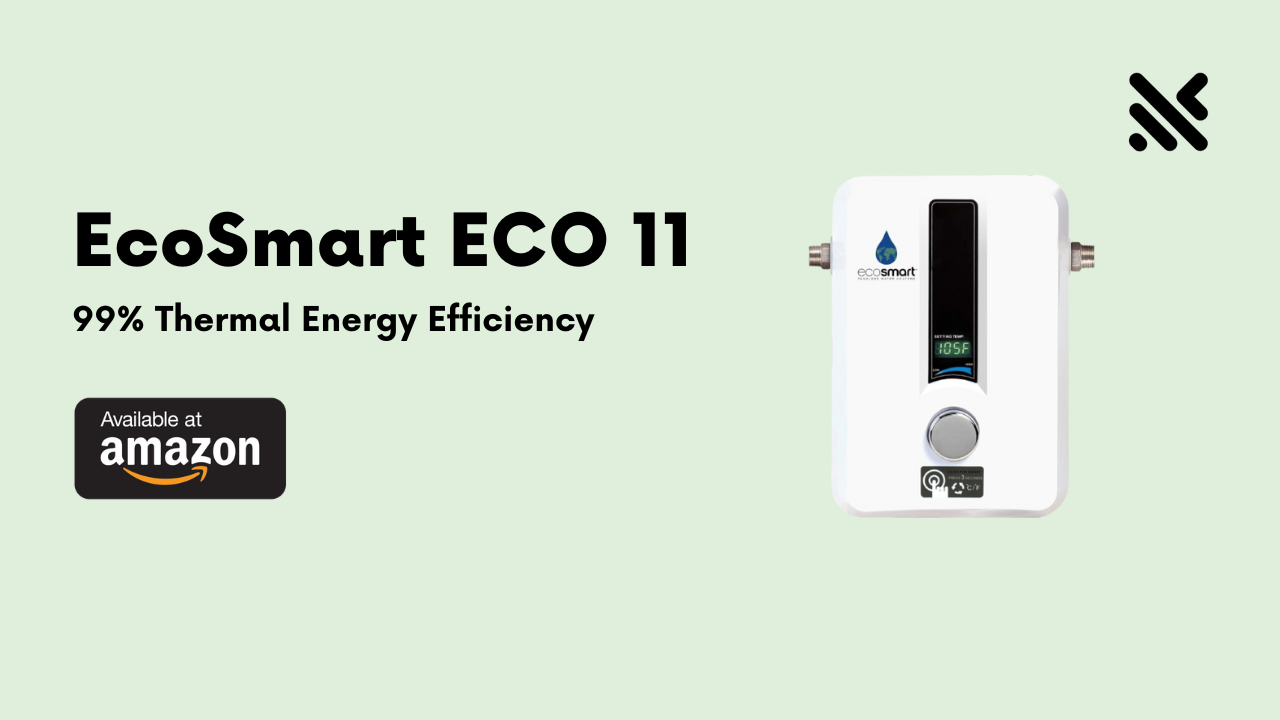
EcoSmart ECO 11
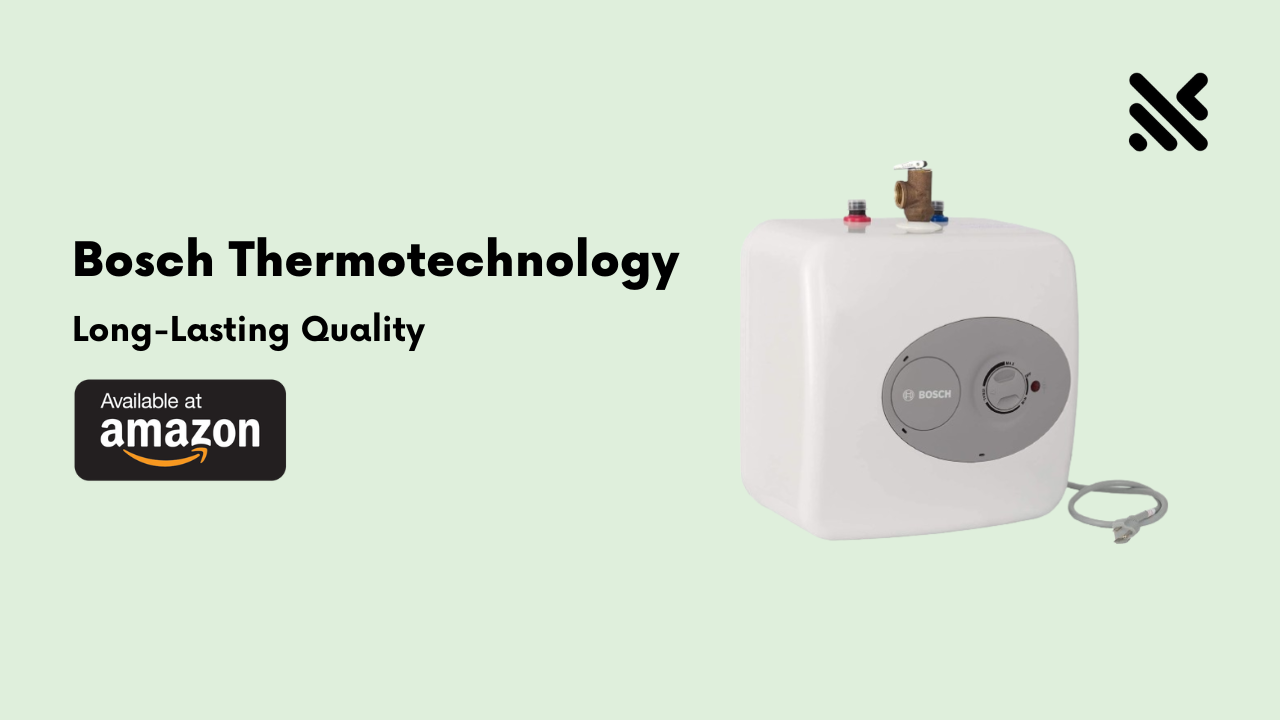
Bosch Thermotechnology 7738004996
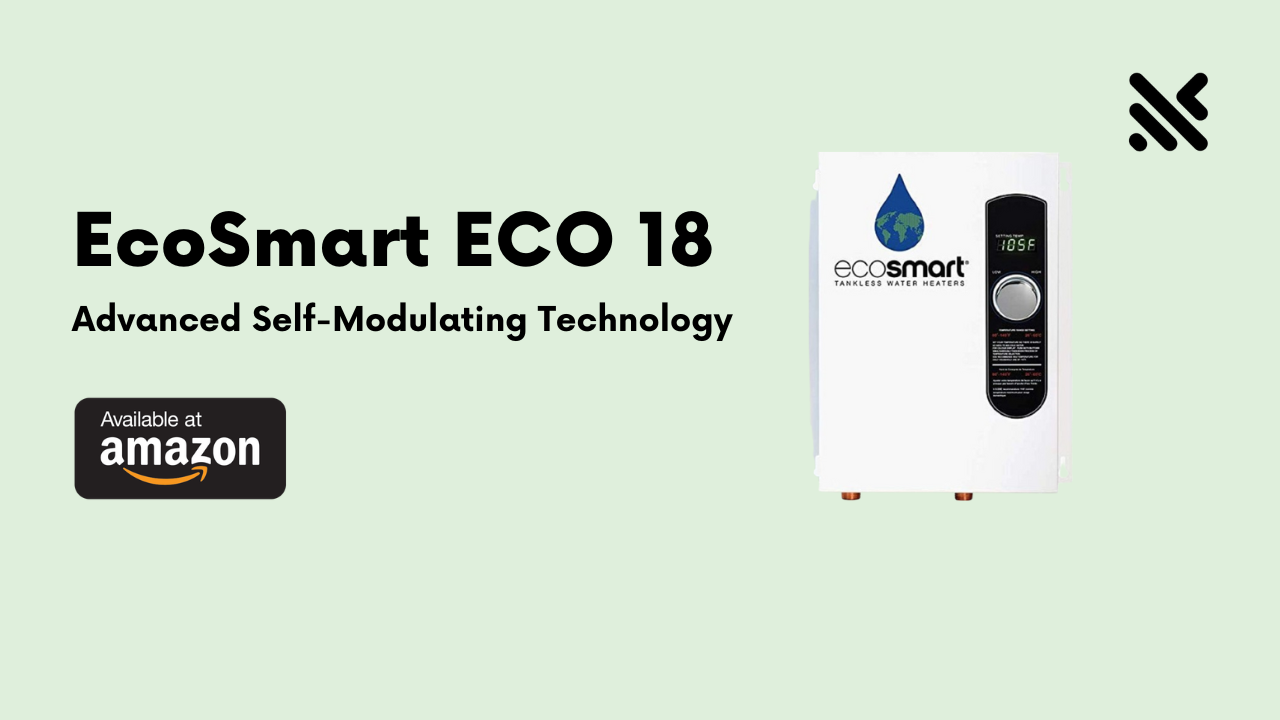
EcoSmart ECO 18
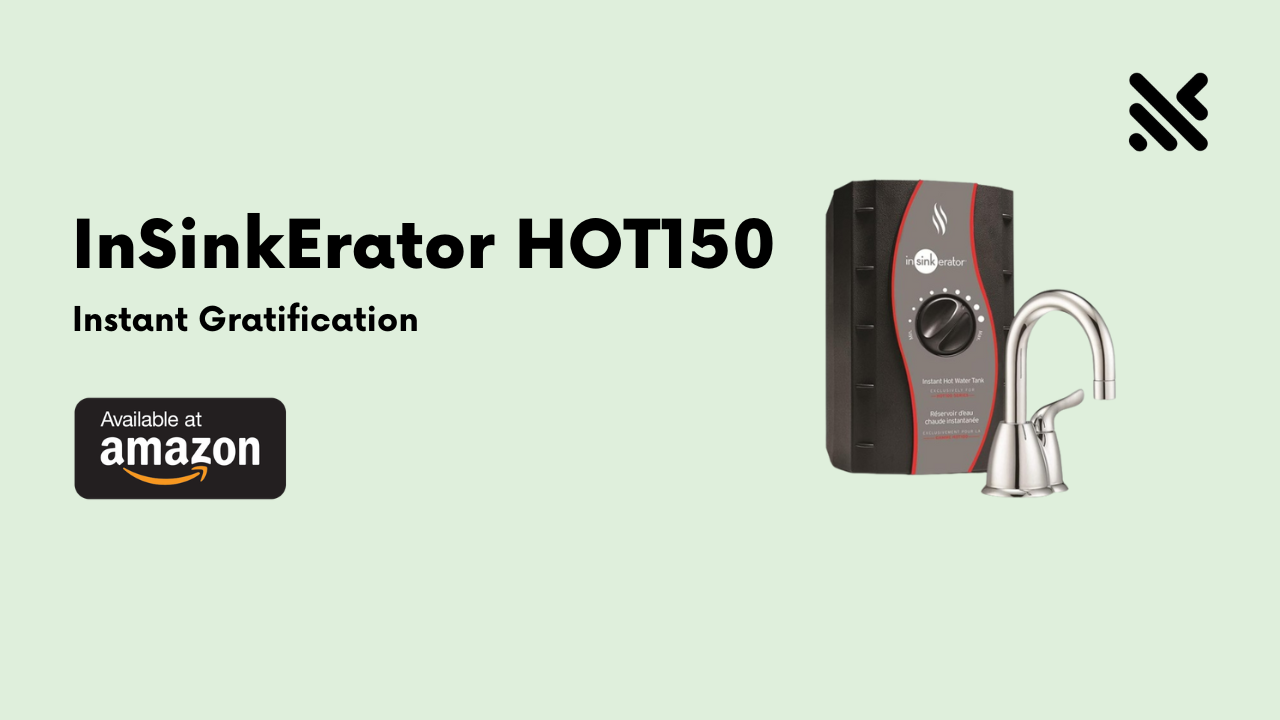
InSinkErator HOT150
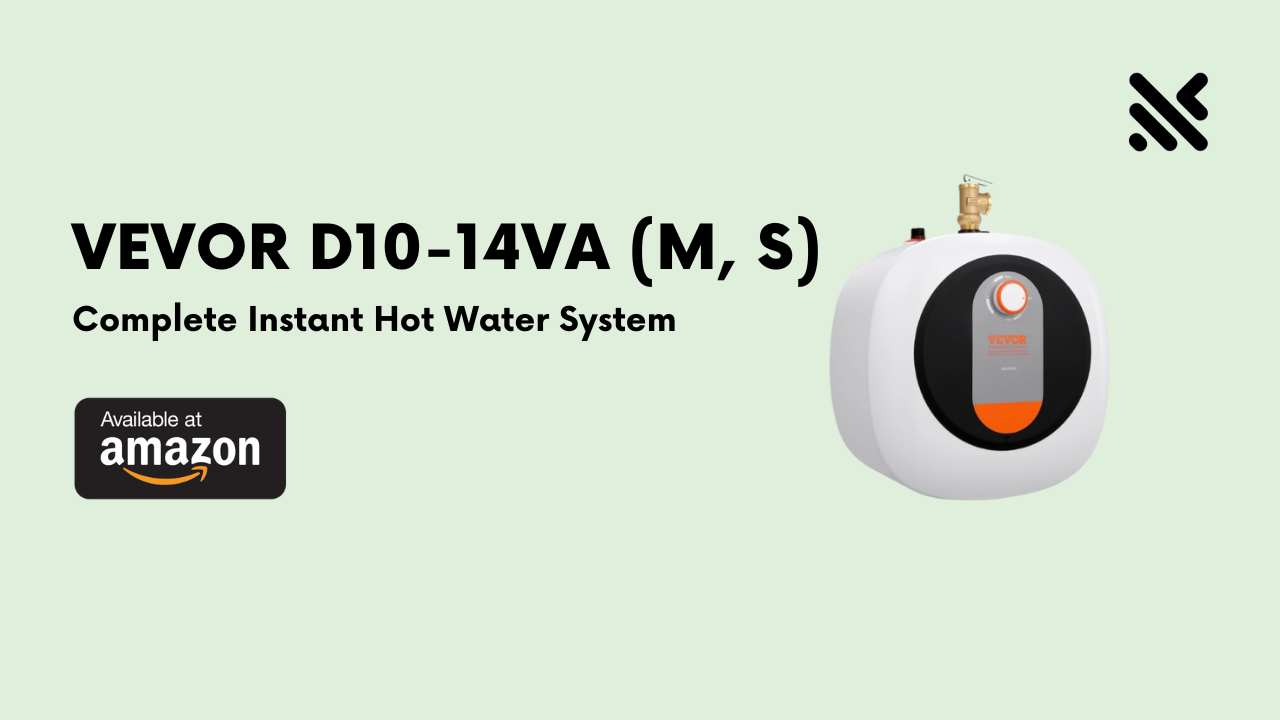
VEVOR D10-14VA (M, S)
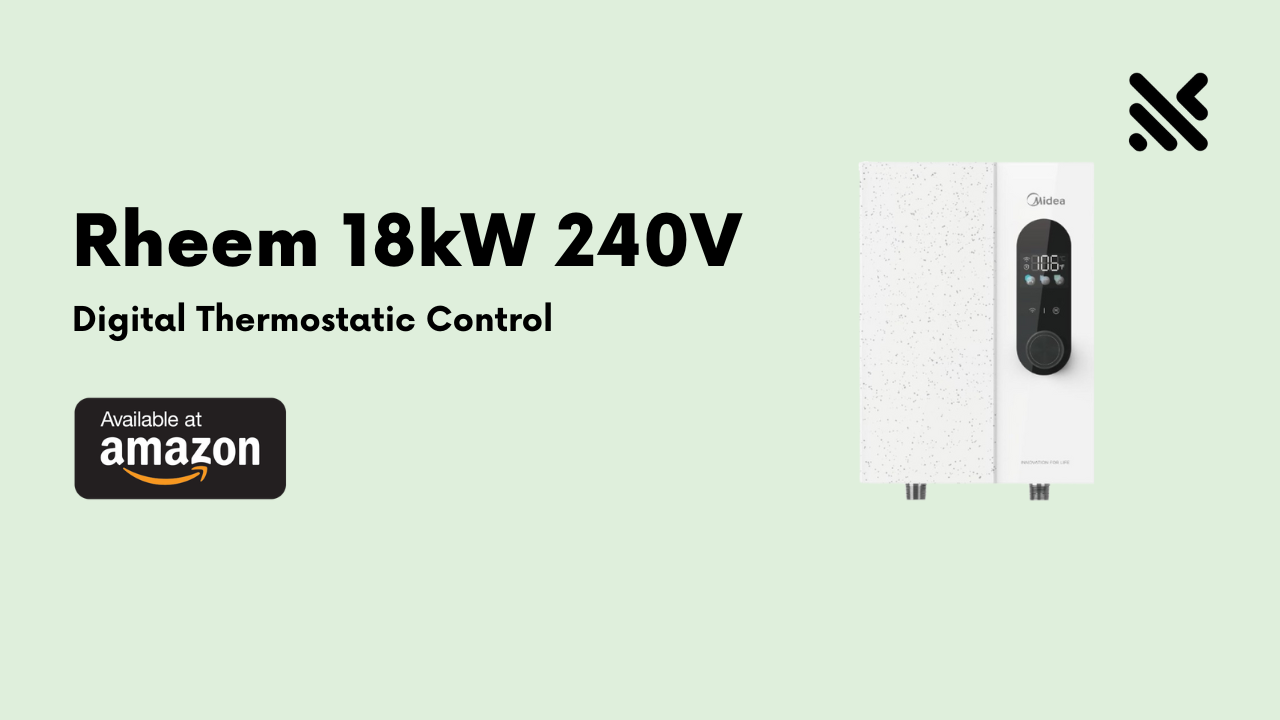
Rheem 18kW 240V