Introduction
Smoke and gas detectors are not just gadgets but the frontline defenders of our well-being; smoke and gas detectors, equipped with cutting-edge sensors, possess an unparalleled ability to detect early signs of danger. Moreover, with the advent of innovative technology, many detectors seamlessly integrate with our daily lives, providing real-time alerts to our smartphones or home security systems.
It’s not just about reacting to emergencies; it’s about empowerment, granting us the ability to respond promptly and decisively. The intrinsic value of these detectors lies in their ability to detect threats and their role as proactive agents, instilling a sense of security that transcends the realms of the physical devices.
Top Picks at a Glance
Types of Smoke And Gas Detectors
Ionization Smoke Detectors
These detectors can detect fast-flaming fires, typically caused by combustible materials like paper or wood. Ionization detectors use a small amount of radioactive material to ionize the air between two electrically charged plates. The alarm is triggered when smoke disrupts this ionization, providing an early warning for rapidly spreading fires.
Photoelectric Smoke Detectors
Designed to excel in detecting smoldering fires, photoelectric detectors employ a light beam and a sensor. When smoke particles enter the detector, they scatter the light, causing it to hit the sensor and trigger the alarm. These detectors are particularly effective for slow-burning fires, making them a valuable addition to comprehensive home safety.
Dual Sensor Smoke Detectors
To maximize coverage, dual-sensor smoke detectors combine the strengths of ionization and photoelectric technologies. This hybrid approach ensures a broader spectrum of fire detection, protecting against fast-flaming and slow-smoldering fires. It’s an ideal choice for those seeking comprehensive fire detection capabilities.
Carbon Monoxide (CO) Detectors
Gas detectors, specifically those for carbon monoxide, are vital for homes with fuel-burning appliances. CO is a colorless, odorless gas that can be lethal in high concentrations. CO detectors sound the alarm when they detect elevated levels of carbon monoxide, providing a crucial early warning to evacuate and seek fresh air.
Combination Smoke and Carbon Monoxide Detectors
For streamlined safety, consider combination detectors integrating smoke and carbon monoxide detection in a single unit. These devices simplify installation and maintenance while offering comprehensive protection against fire and gas-related threats.
Natural Gas and Propane Detectors
Specialized gas detectors are designed to sense the presence of natural gas or propane, commonly used in homes for cooking and heating. These detectors trigger an alarm when gas concentrations reach hazardous levels, helping prevent potential explosions or health risks associated with gas leaks.
6 Best Smoke And Gas Detectors
Smoke and gas detectors are savvy gadgets with advanced sensors that can sniff out potential dangers like smoke or hazardous gases, ensuring you get the heads-up before things get hairy. Many detectors boast innovative technology, allowing them to communicate with your smartphone or home security system. That means instant alerts wherever you are, giving you the power to respond pronto.
Easy installation, low maintenance, and the potential to save lives – these detectors are the real MVPs of any safety-conscious space. It’s like having a 24/7 guardian angel watching over you, minus the wings. So, whether it’s a sizzling kitchen mishap or a silent threat like carbon monoxide, these detectors are your safety sidekicks, ready to sound the alarm and keep you and yours secure.
Buying Guide For Smoke And Gas Detectors
Type Matters
First and foremost, identify the types of detectors that suit your home. Smoke detectors come in ionization and photoelectric variants, each excelling in detecting different types of fires. On the other hand, gas detectors specialize in particular gases like carbon monoxide. Opt for a combination unit if you want dual functionality.
Smart Technology Integration
Consider smart detectors to bring your safety measures into the 21st century. These gems sound alarms and sync with your smartphone or home security system, providing real-time alerts and enhancing your ability to respond promptly, even when you’re away from home.
Power Source and Maintenance
Choose between hardwired and battery-operated detectors. While hardwired units offer continuous power, battery-operated ones ensure functionality during power outages. Whichever you choose, prioritize regular maintenance. Test the detectors monthly, replace batteries annually, and keep them free from dust to guarantee peak performance.
Interconnectivity
Opt for detectors that can communicate with each other. In case one alarm is triggered, interconnected units ensure that all detectors in the house sound the alarm. This related web enhances the effectiveness of the warning system.
Certification and Compliance
Look for detectors certified by reputable safety organizations. Compliance with industry standards ensures that the detectors meet specific criteria for performance and reliability. Certifications add an extra layer of assurance to your investment in home safety.
Installation Ease
Choose detectors with user-friendly installation processes. Some models come with easy-to-follow guides and tools, while others may require professional installation. Consider your comfort level with DIY projects and opt for a detector that aligns with your capabilities.
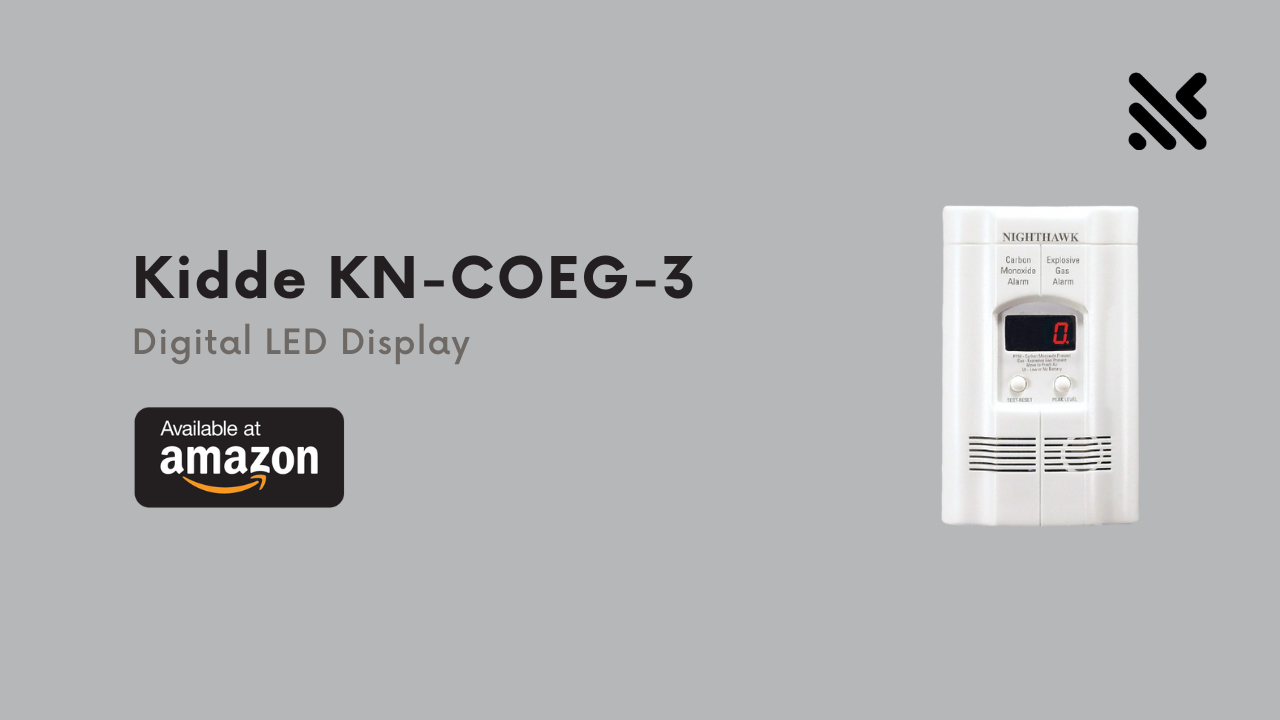
Kidde KN-COEG-3
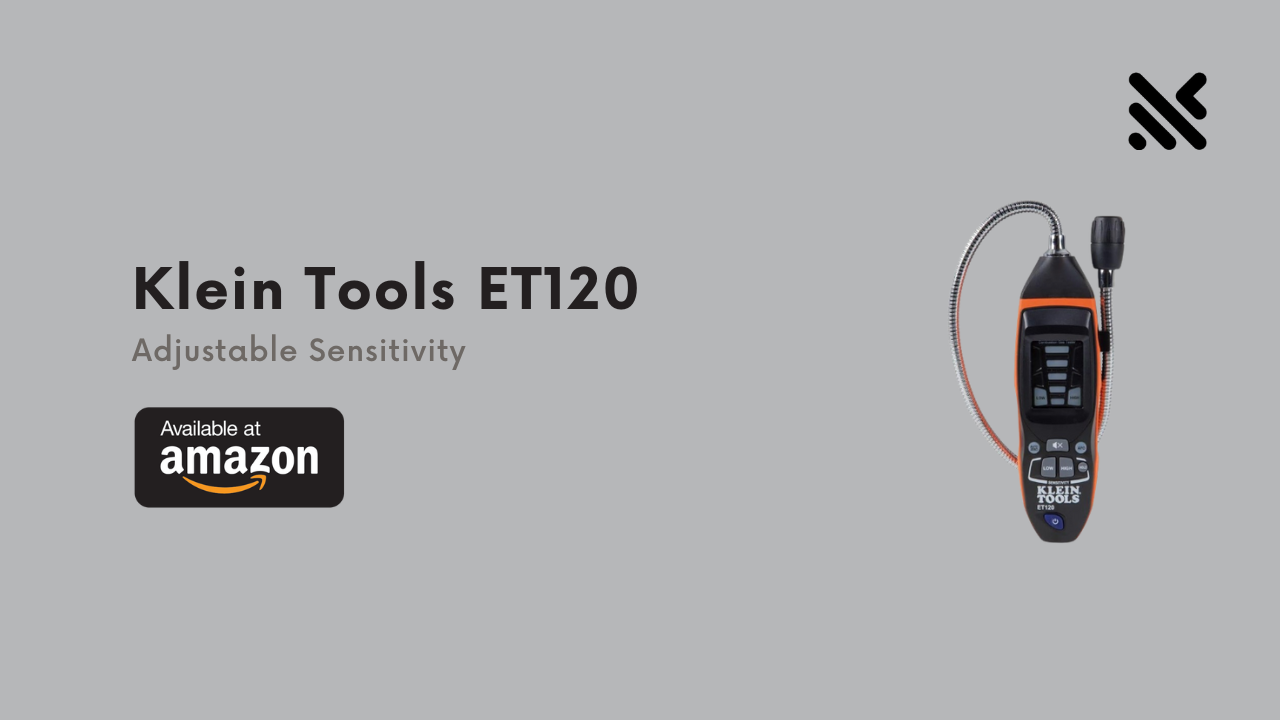
Klein Tools ET120

Arlo MS1001

Kidde KN-COB-DP2

FIRST ALERT 1044807