Introduction
The weather thermometer is an indispensable tool; it helps keep an eye on the ever-changing weather and is a trusty guide in deciphering the atmospheric nuances in a world where nature’s moods can swing from the serene to the fierce. Moreover, the weather thermometer is a stalwart companion in meteorological exploration.
As we delve into the intricacies of this unassuming device, it becomes clear that the thermometer is more than just a measure of heat. It is a silent narrator of the atmosphere’s tales, precisely conveying the ebb and flow of temperature. From summer’s scorching heat to winter’s bone-chilling cold, the thermometer stands as a sentinel, capturing the essence of each moment.
This article embarks on a journey to unravel the nuances of the weather thermometer – a small yet mighty instrument that allows us to gauge the pulse of our surroundings. We will explore its evolution, the science behind its functionality, and its pivotal role in shaping our understanding of weather patterns. So, fasten your seatbelts as we embark on a meteorological adventure, decoding the language of the skies through the lens of the venerable weather thermometer.
Top Picks at a Glance
Types of Weather Thermometer
Analog Thermometers
The classic analog thermometer is a timeless piece that utilizes a liquid (often mercury) or a bimetallic coil to measure temperature. Moreover, it typically features a graduated scale and a visible indicator that moves along the scale to display the temperature.
Digital Thermometers
Embracing modern technology, digital thermometers provide quick and accurate temperature readings in a numerical format. They often come with additional features such as backlighting, memory functions, and the ability to switch between Fahrenheit and Celsius.
Indoor Thermometers
These thermometers are Designed to monitor indoor temperatures and create a comfortable living environment. They are often compact, aesthetically pleasing, and equipped with features like humidity sensors to enhance indoor climate control.
Outdoor Thermometers
Built to withstand the elements, outdoor thermometers are rugged and weather-resistant. They are crucial for tracking temperature variations in your garden, patio, or outdoor space. Moreover, some outdoor thermometers even come with weatherproof casing for added durability.
Wireless Thermometers
Cutting the cord, wireless thermometers offer the convenience of remote monitoring. The sensor is placed outdoors, and the display unit can be kept indoors while providing real-time temperature updates without needing a physical connection.
Infrared Thermometers
Perfect for non-contact temperature measurements, infrared thermometers use infrared technology to detect the temperature of an object or surface. Moreover, they are commonly used in industrial settings and offer a quick and safe way to assess temperature without direct contact.
Smart Thermometers
Harnessing the power of the Internet of Things (IoT), smart thermometers can connect to smartphones or other smart devices. They often come with features like app integration, real-time alerts, and the ability to analyze historical temperature data.
Maximum-Minimum Thermometers
Ideal for those interested in tracking temperature extremes, maximum-minimum thermometers automatically record the highest and lowest temperatures over a specific period. They are valuable for understanding temperature fluctuations within a given timeframe.
Galileo Thermometers
More of a decorative piece, Galileo thermometers are sealed glass tubes filled with liquid and floating glass spheres. The spheres rise or fall based on the temperature while providing a visual and aesthetically pleasing representation of temperature changes.
6 Best Weather Thermometers
Whether analog or digital, a weather thermometer boasts various features contributing to its invaluable role in daily life. Accurate temperature measurement, the fundamental feature, enables users to stay informed about their immediate environment or make informed decisions based on weather conditions.
Modern thermometers have additional features such as humidity sensors, wireless connectivity, and smart integration, providing a comprehensive view of atmospheric conditions. Moreover, the benefits extend beyond mere temperature monitoring, aiding in climate control for indoor spaces, optimizing gardening and outdoor activities, and even contributing to broader meteorological observations.
With durability to withstand diverse conditions and user-friendly designs, weather thermometers serve as indispensable tools while empowering individuals to navigate and adapt to the ever-changing dynamics of their surroundings with ease and precision.
Buying Guide For Weather Thermometer
Type Matters
Begin your journey by considering the type of weather thermometer that suits your needs. Analog or digital? Indoor or outdoor? Wireless or wired? Understanding the distinctions between these types will pave the way for a more informed decision.
Accuracy Is Key
In the realm of weather thermometers, accuracy reigns supreme. Opt for a device that boasts precise temperature readings. Calibration features and high-quality sensors are your allies in ensuring the thermometer delivers reliable data.
Durability for the Elements
If your thermometer is destined for outdoor adventures, durability becomes paramount. Moreover, look for weather-resistant materials and features that can withstand the caprices of Mother Nature, ensuring longevity and sustained performance.
User-Friendly Design
A weather thermometer should simplify, not complicate, your life. Choose a device with an intuitive interface, easy-to-read display, and straightforward setup. Bonus points for additional features like backlighting for nighttime readability.
Connectivity and Smart Features
Embrace the convenience of the digital age by opting for thermometers with smart features. Wireless connectivity, smartphone apps, and integration with other smart home devices can elevate your weather-monitoring experience.
Budgetary Considerations
Set a realistic budget for your weather thermometer endeavor. While the market offers a wide range of options, finding the balance between features and cost ensures you make a purchase that aligns with your financial comfort zone.
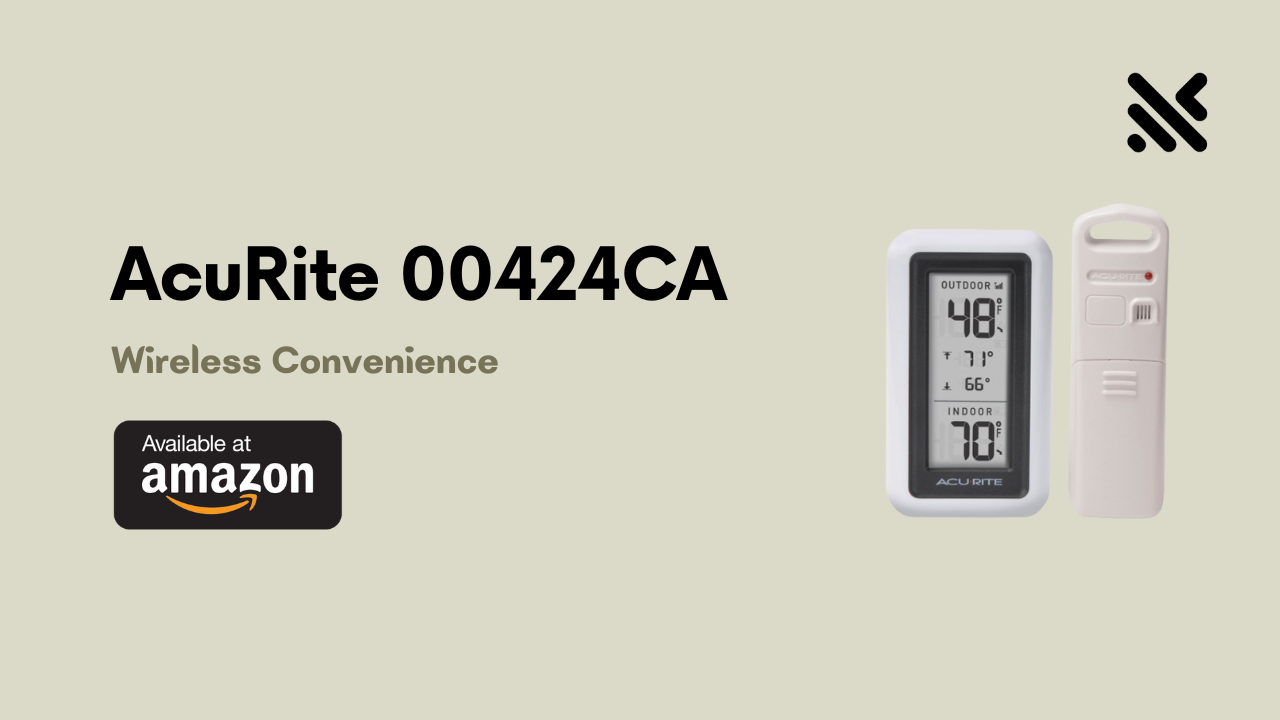
AcuRite 00424CA

Springfield 90100

Taylor 1710

Springfield 90050
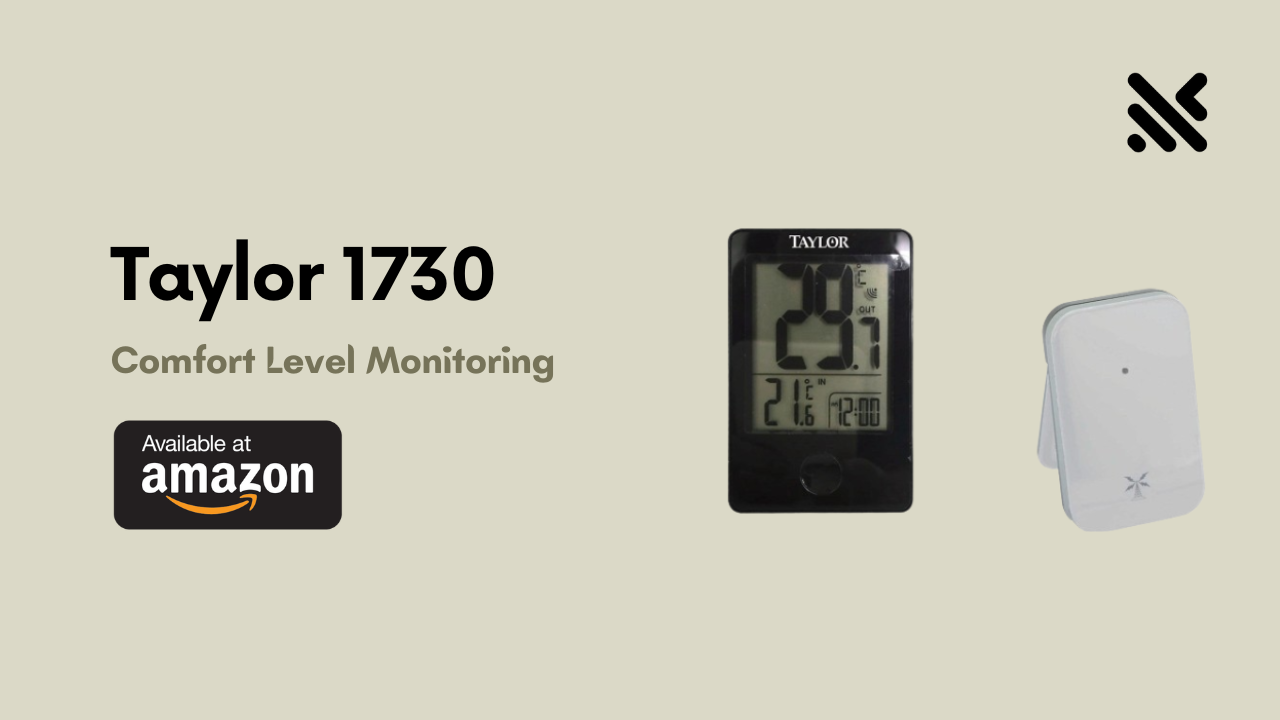
Taylor 1730